
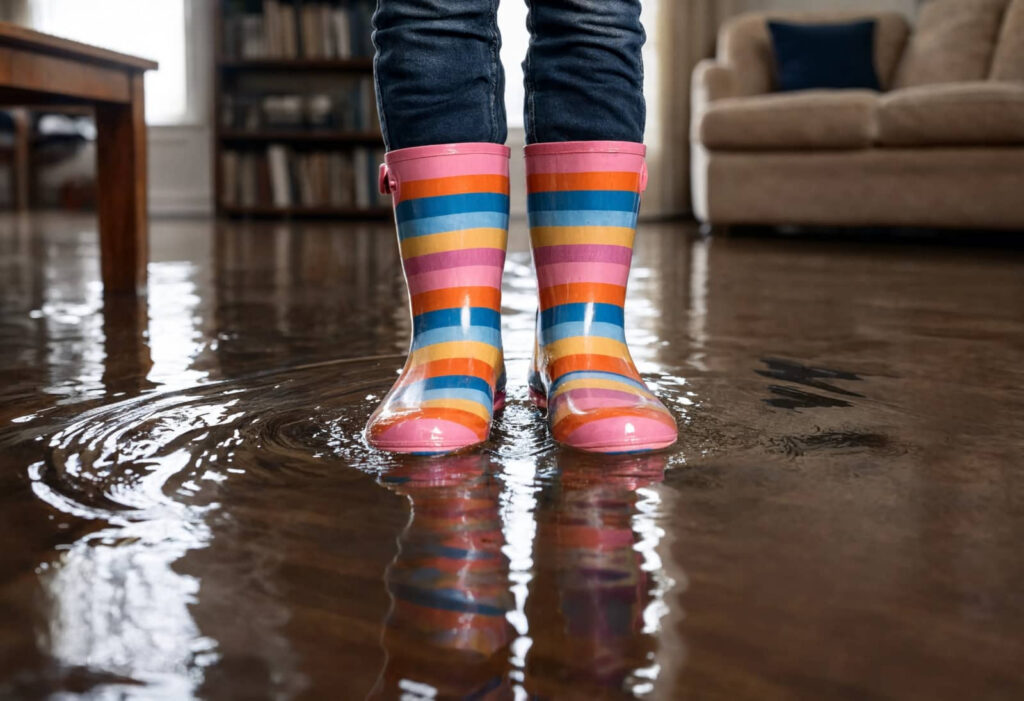
When water shows up uninvited, 24/7 Flood Cleanup and Water Removal helps you move quickly before the damage settles in. In the first 60 minutes, shut off hazards, remove standing water, and start drying walls, floors, and belongings with the right equipment. If sewage or other biohazards are involved, the cleanup gets more complex, and taking the right next steps can make a major difference in your home’s recovery.
Key Takeaways
- Act within the first hour to reduce structural damage, mold growth, and further water spread.
- Shut off electricity if safe, then use pumps, wet vacs, and squeegees for rapid water removal.
- Treat sewage or dirty floodwater as hazardous and call trained 24/7 professionals immediately.
- Dry walls, floors, and belongings with fans, dehumidifiers, and open windows to control moisture.
- Document damage, notify your insurer, and start repairs with licensed restoration experts quickly.
Act Fast in the First 60 Minutes
Act quickly in the first 60 minutes after flooding begins, because every minute of delay increases structural damage, mold growth, and contamination risk.
You should prioritize safety, document visible damage, and notify your insurer as soon as you can. Strong emergency preparedness helps you act with confidence, but you don’t have to manage this alone.
If water has entered your home, protect valuables, avoid unstable areas, and keep family members together in a safe, dry space.
Check your insurance coverage details now so you know what’s included and what evidence they’ll need.
Then contact a qualified flood response team that can guide your next steps.
When you move fast, you reduce loss, protect your home, and stay connected to support that understands what you’re facing.
Remove Floodwater Fast
Remove floodwater as quickly as possible to limit structural damage, stop mold from spreading, and reduce contamination in your home. You should shut off electricity if it’s safe, then use proven water extraction techniques such as submersible pumps, wet vacuums, and squeegees to clear standing water fast.
Work from the highest safe point toward exits, and keep pathways open so your team can move efficiently. If the water looks dirty or smells like sewage, treat it as hazardous and call trained professionals right away. You’re not alone here; fast action protects your space and everyone in it.
After removal, review flood prevention strategies, including sealing gaps and improving drainage, so you’re better prepared next time.
Dry Walls, Floors, and Belongings
Once the standing water is gone, dry walls, floors, and belongings immediately to slow mold growth and prevent further damage.
You’ll want to open windows if weather allows, run fans, and use dehumidifiers to push out trapped moisture.
Pull furniture away from walls, lift rugs, and separate wet items so air can circulate.
Check baseboards, drywall, and subfloors with a moisture meter, and keep working until readings drop to safe levels.
For documents, photos, and textiles, dry each piece gently and sort what can be saved.
This fast moisture control protects your home’s structure and helps support insurance claims with clear evidence of your cleanup efforts.
You’re not alone here; taking these steps now gives your space the best chance to recover.
Clean Up Sewage and Biohazards
If floodwater has touched sewage, toilets, or animals, treat the area as a biohazard and keep people and pets out until you’ve cleaned it safely. You’re not alone here; follow sewage safety and biohazard protocols right away.
Wear gloves, boots, eye protection, and a respirator if spray or odor is heavy. Remove contaminated items and seal them in heavy-duty bags.
Then:
- Ventilate the space.
- Wash hard surfaces with detergent.
- Disinfect with an EPA-approved sanitizer.
- Rinse, dry, and monitor for lingering contamination.
Never mix cleaners, and never use a vacuum on sewage residue. If you see soaked insulation, porous materials, or strong contamination, stop and call trained help.
Quick, careful action protects your home and everyone in it.
Repair Flood Damage and Restore Your Home
After the water is gone and the area is safe, move quickly to assess structural damage and begin repairs so moisture doesn’t keep spreading.
You’ll want to check subfloors, drywall, framing, and insulation for swelling, warping, or hidden decay. Use proven restoration techniques to remove compromised materials, dry cavities, and rebuild with mold-resistant products.
Coordinate with your insurer early so insurance coverage can be confirmed before major work starts. If you stay organized, you can document losses, track estimates, and keep your project moving with less stress.
Bring in licensed professionals for electrical, plumbing, and structural repairs, and test humidity levels until they return to normal.
With a steady plan, you and your home can recover fully, safely, and faster together.
Frequently Asked Questions
How Soon Should I Call My Insurance Company After Flooding?
Call your insurance company immediately after flooding; fast insurance notification helps protect your claim. You’ll document flood damage, get guidance, and connect with support. Don’t wait—acting now keeps you covered and reassured.
Can I Stay in My Home During Flood Cleanup?
You can stay only if flood safety checks pass and you’ve done home preparation: shut off power, remove standing water, and ventilate. If you smell mold, see damage, or lack utilities, leave now.
What Items Are Usually Not Salvageable After Flooding?
You’re usually unable to salvage soaked drywall, insulation, carpeting, and contaminated food after flood damage; FEMA says mold can start within 24-48 hours. You’ll need quick restoration options, and you’re not alone through this.
How Do I Choose a Reliable Flood Cleanup Company?
Check credentials, insurance, and reviews, then compare response times and equipment. For flood restoration tips, ask detailed drying plans and references. When choosing contractors, trust clear contracts, moisture monitoring, and teams that make you feel included.
Will Flood Cleanup Services Help With Insurance Claims?
Yes, they can help with insurance claims, gently easing the paperwork storm. You’ll get documentation, damage estimates, and support through the claim process, strengthening insurance coverage and helping you feel confident, connected, and protected.
Conclusion
When floodwater rushes in, you don’t have time to wait. In those first critical minutes, fast water removal, thorough drying, and careful cleanup can stop mold before it spreads and limit costly damage. If sewage or biohazards are present, you need trained help right away. With 24/7 flood cleanup and water removal, you can clear the water, protect your home, and begin repairs before the damage settles in like a heavy, wet shadow.