
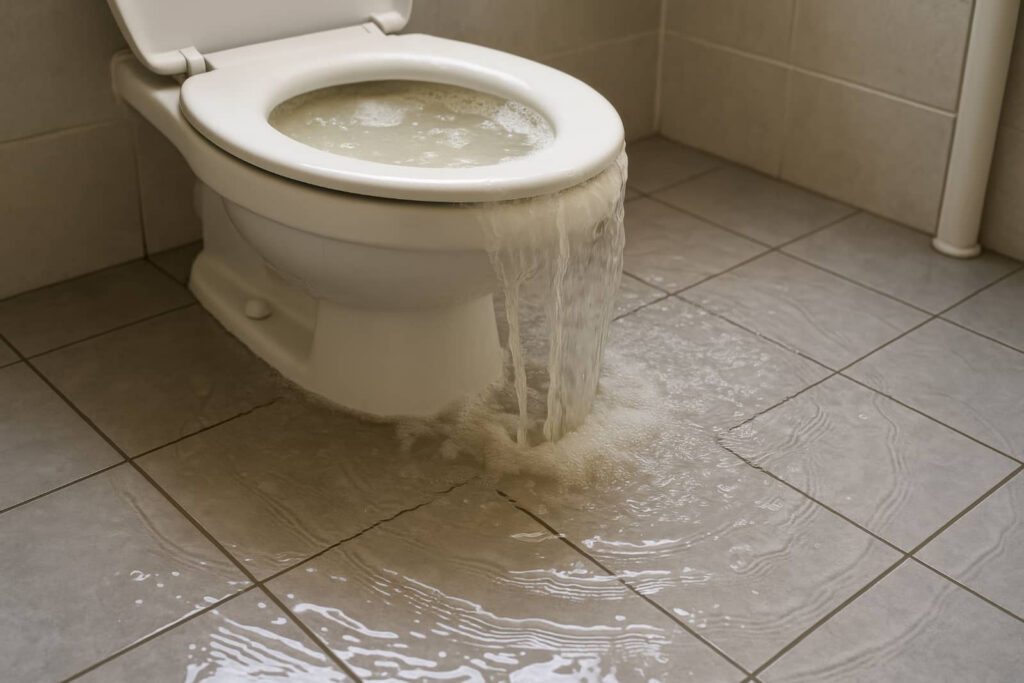
If sewage backs up into your basement, you need to act fast and treat the area as contaminated. Sewage Basement Flooding should begin with shutting off water and power to the affected space, keeping people and pets out, and removing standing water only when it’s safe to do so. From there, the area needs to be dried, disinfected, and cleared of damaged materials before mold and bacteria can spread further. The first few steps matter most, and one mistake can make the cleanup far worse.
Key Takeaways
- Stop using water, keep everyone out of the basement, and shut off power if it is safe to do so.
- Call a plumber or sewage cleanup professional immediately and document the damage from a safe distance.
- Treat the area as contaminated; wear gloves, boots, and a mask if you must enter briefly.
- Remove standing sewage water quickly using a pump, wet vac, or professional service.
- Dry, disinfect, and discard porous materials that were soaked to prevent mold and further contamination.
What to Do First After Sewage Backup
As soon as you notice a sewage backup, stop using water in the home and avoid the flooded area, because every fixture can add more wastewater to the problem.
Shut off the main water supply if you can do it safely, then cut power to the basement only if the breaker panel sits outside the wet zone.
Notify your household so everyone follows the same safety precautions and stays clear of the space.
Contact your plumber or cleanup service right away and describe the backup location, duration, and visible damage.
Take photos from a safe distance for insurance claims, but don’t enter standing water or move contaminated items yet.
Keep pets and children away, and save receipts for emergency costs.
Check for Health Risks and Contamination
Once the area is secured, treat the basement as contaminated until a professional confirms otherwise.
You’re dealing with health hazards that can spread through surfaces, air, and anything that touched the water. Keep kids, pets, and anyone with asthma, cuts, or weak immunity out of the space.
Look for contamination sources such as sewage residue, porous materials, soaked insulation, and hidden seepage behind walls or under flooring. If you notice strong odors, visible waste, or unusual dampness, assume contamination remains.
Wear gloves, boots, and a mask if you must enter briefly. Don’t eat, drink, or store items there.
Document what’s affected, and contact your insurer or local health department if you need guidance. You’re protecting your household and your community by acting cautiously.
Remove Standing Sewage Water Quickly
Act fast and pump out the standing sewage water as soon as it’s safe to do so, because the longer it sits, the deeper it soaks into walls, floors, and materials.
Use a submersible pump, wet vac, or professional sewage removal service to clear the basin and low spots.
Wear gloves, boots, eye protection, and a respirator, and keep children and pets away while you work.
Follow strict safety precautions, and never enter if electrical equipment is submerged or if you smell gas.
Remove water in stages if needed to avoid stirring debris and spreading contamination.
Dispose of the pumped wastewater according to local rules.
When you act quickly and stay careful, you protect your home, support your crew, and make cleanup safer for everyone.
Dry the Basement to Prevent Mold
After the sewage water is removed, dry the basement immediately to slow mold growth and reduce damage to framing, drywall, and finished surfaces.
You should open windows if outdoor air is dry, run fans to move air across wet areas, and use a dehumidifier sized for the space.
Keep doors open so trapped moisture can escape. Remove soaked rugs, boxes, and fabric that hold water. Elevate items with blocks for airflow.
Check hidden spaces behind furniture, under stairs, and along base plates for dampness. Keep monitoring moisture control with a meter, and continue drying until materials feel dry to the touch and readings stabilize.
Fast drying supports mold prevention and helps you protect your home with confidence.
Disinfect Walls, Floors, and Fixtures
With the basement dry, you can disinfect walls, floors, and fixtures to reduce contamination and lower health risks.
Wear gloves, boots, eye protection, and a respirator, and keep children and pets out. Wash hard surfaces with warm water and detergent first, then apply an EPA-registered disinfectant or a diluted bleach solution as directed.
Use disinfection techniques that keep the surface wet for the full contact time, because quick wiping won’t kill enough germs. Scrub grout, corners, drains, and fixture bases where residue can hide.
Rinse if the product label requires it, then let everything air-dry. Replace rags, mop heads, and cleaning water often so you don’t spread waste back around.
Follow safety precautions on every label, and if fumes build up, open windows and ventilate.
Throw Out Damaged Items and Materials
Toss out any porous or heavily contaminated materials that sewage has soaked, since they can trap bacteria, mold, and odors even after cleaning. You should remove soaked drywall, insulation, carpet, padding, and paper goods without delay.
Inspect damaged furniture carefully; if cushions, particleboard, or upholstery absorbed sewage, discard it. Bag contaminated belongings in heavy-duty trash bags, seal them, and keep them away from clean areas.
Wear gloves, boots, and a mask while handling waste, and wash exposed skin afterward. Separate salvageable hard goods from items that must go, so you can work methodically and stay organized.
When in doubt, choose disposal over risk. Protecting your home’s health helps you get back to normal with confidence and less stress.
Call a Sewage Cleanup Professional
Once you’ve removed the most obvious contaminated items, call a sewage cleanup professional to assess the damage and begin safe remediation.
You need trained help because sewage carries bacteria, viruses, and hidden moisture that can spread fast through framing, insulation, and flooring.
A qualified crew will inspect the basement, measure contamination, and map the cleanup plan so you know what’s safe to keep.
Their professional services include extraction, disinfection, structural drying, and odor control, which reduces the chance of mold and recurring damage.
Ask about containment, PPE, and clearance testing before work starts.
When you bring in the right team, you’re not handling this alone—you’re protecting your home and joining a community that knows how to recover correctly.
Frequently Asked Questions
How Do I Document Sewage Damage for Insurance Claims?
You should photograph every affected area, label items, and record dates, odors, and cleanup costs for your damage assessment. Save receipts, mold reports, and contractor estimates to support the claim process and strengthen your case.
Can I Use My Basement Appliances After Sewage Flooding?
No, you shouldn’t use basement appliances until you verify appliance safety and follow cleaning protocols. You’ll need a qualified technician to inspect, clean, and dry them, since sewage can contaminate wiring, motors, and insulation.
How Long Should I Wait Before Repainting Cleaned Basement Walls?
Wait until your cleaned basement walls are fully dry, usually 24–72 hours, before repainting. For mold prevention and proper wall preparation, you should test moisture, then prime with a stain-blocking sealer before you paint.
Will My Homeowners Insurance Cover Sewage Backup Cleanup Costs?
Insurance may cover it, but you’ll need to check your insurance policy’s sewage backup endorsement and coverage limits. You’re not alone—many policies exclude backups unless you’ve added this protection, so verify quickly.
How Can I Prevent Future Sewage Basement Flooding?
You can prevent future sewage basement flooding by installing backflow prevention, maintaining your sump pump, and cleaning drains regularly. You should inspect sewer lines, seal cracks, and schedule backups checks so you stay protected together.
Review
If sewage floods your basement, act fast: stop using water, shut off power to the area, and keep everyone out. For example, if a floor drain backs up after a storm, call a plumber and cleanup crew right away instead of trying to mop it up yourself. Then pump out the sewage, dry the space, disinfect all surfaces, and throw away soaked materials. Quick action limits health risks, mold growth, and costly damage.