
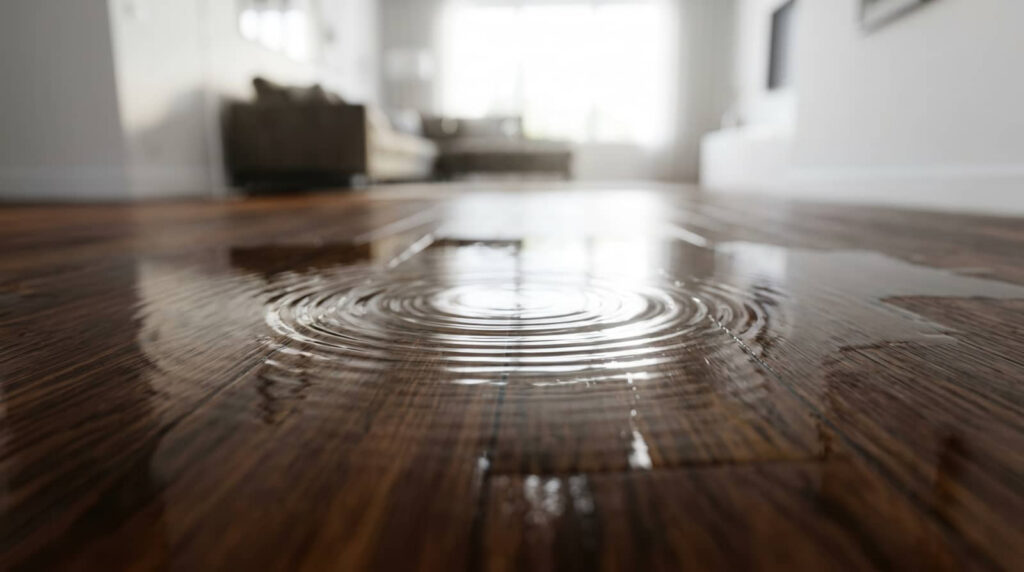
A flood can turn your space into a hazardous mess in minutes. Emergency Flood Cleanup should start by assessing damage, shutting off power and gas if needed, and documenting everything before you step deeper in. Then remove standing water and debris with pumps, wet vacs, and gloves. Next, dry surfaces fast and disinfect to limit mold and contamination. There’s one more step that can save you hours and money if you catch it early.
Key Takeaways
- Shut off electricity, gas, and water before entering flooded areas.
- Wear boots, gloves, and eye protection to avoid contamination and injury.
- Remove standing water, mud, and debris quickly with pumps, vacuums, and shovels.
- Dry and disinfect surfaces immediately to prevent mold growth.
- Work with a partner and keep children and pets away until the area is safe.
Assess Flood Damage and Shut Off Hazards
Before you step back into a flooded area, assess the damage and shut off any immediate hazards. If water’s near outlets, breaker panels, gas appliances, or HVAC equipment, stay out and call qualified help.
Wear boots, gloves, and eye protection, and avoid contact with standing water. Check ceilings, walls, and floors for sagging, cracks, or shifting that could signal structural instability. Document visible damage with photos and notes for insurance claims before you change anything.
Keep children and pets away until you’ve confirmed the area is safe. Use safety precautions that fit your home’s layout, including shutting off electricity, gas, and water if you can do it without entering danger.
When you’re unsure, wait for inspectors so your household stays protected and connected.
Begin Flood Cleanup and Remove Debris
Once you’ve confirmed the area is safe, start by removing standing water, mud, and debris as quickly as possible to limit further damage and mold growth.
Use pumps, wet vacuums, buckets, and shovels to speed debris removal and keep pathways clear.
Sort materials as you work: discard soaked drywall, insulation, carpeting, and broken items that can’t be saved.
Bag sharp fragments and heavy waste separately.
Wear boots, gloves, eye protection, and a mask, and follow safety precautions when lifting, carrying, and walking on unstable surfaces.
Work with a partner so you can spot hazards and share tasks.
Move debris to a designated collection area away from entrances, vents, and drains.
Stay organized, stay alert, and keep your team moving together.
Dry Out the Area and Disinfect Surfaces
Now that the bulk of the debris is gone, dry the area as fast as possible to stop mold from taking hold. Open windows, run fans, and set dehumidifiers to pull moisture from walls, floors, and hidden cavities.
If standing water remains, finish water extraction with a wet vac or pump before you move on. Remove wet insulation, carpet, and porous items that can’t dry quickly.
Wipe hard surfaces with a detergent solution, then apply a disinfectant labeled for flood cleanup. Keep wearing gloves and eye protection while you work, and ventilate the space well.
Check baseboards, studs, and corners daily for dampness. Fast drying supports mold prevention and helps your team restore a clean, safe space together.
Frequently Asked Questions
How Do I Document Flood Damage for Insurance Claims?
You document flood damage with dated photos, videos, and item lists, then keep receipts and repair quotes. Contact your insurer quickly, preserve damaged items, and organize records to streamline the insurance process and protect your claim.
When Should I Call a Professional Restoration Company?
Call a professional restoration company when floodwater’s left you facing hidden moisture, structural damage, or mold risk. You’ll shorten your recovery timeline with expert flood restoration, and you won’t have to face this alone.
Is My Flood-Damaged Home Structurally Safe to Re-Enter?
No, you can’t assume it’s structurally safe. You need a safety assessment before re-entering, since hidden flood risk can weaken floors, walls, and foundations. If you notice shifting, cracks, or sagging, stay out.
What Permits Are Needed for Major Flood Repairs?
You’ll usually need flood repair permits for structural, electrical, plumbing, or HVAC work, plus approvals tied to construction regulations and local floodplain rules. Check with your building department early so you can belong in compliance.
How Can I Prevent Mold Growth After Cleanup?
You can prevent mold growth by focusing on mold prevention and moisture control: dry materials fast, ventilate rooms, remove wet items, dehumidify continuously, and clean surfaces with approved disinfectants so you’ll protect your space.
Wrap-Up
By acting fast, you keep flood damage from spreading like ink in water. Shut off hazards, clear out debris, and dry the area before mold takes root. Wear your protective gear, work with your team, and keep communication sharp so everyone stays safe. Document damage as you go for insurance, and disinfect surfaces once the space is dry. With a steady plan, you can turn a soggy mess into a safer, cleaner recovery.