Are emergency extraction services really just about pumping out water, or do they do more to protect your property? When flooding hits, you need a fast assessment, specialized equipment, and a clear plan to remove standing water before damage spreads. The steps matter more than you might think, especially if you want to limit repairs, avoid mold, and keep your space safe.
Key Takeaways
- Emergency extraction services remove standing water quickly after floods or leaks to limit further damage.
- They begin once the property is safe to enter and prioritize the most affected areas first.
- Technicians use pumps, vacuums, and drying equipment to extract water and prepare the space for restoration.
- These services help prevent mold growth, structural damage, and contamination from prolonged moisture.
- Early extraction protects floors, walls, and belongings while reducing repair costs and recovery time.
What Flood Water Extraction Services Include
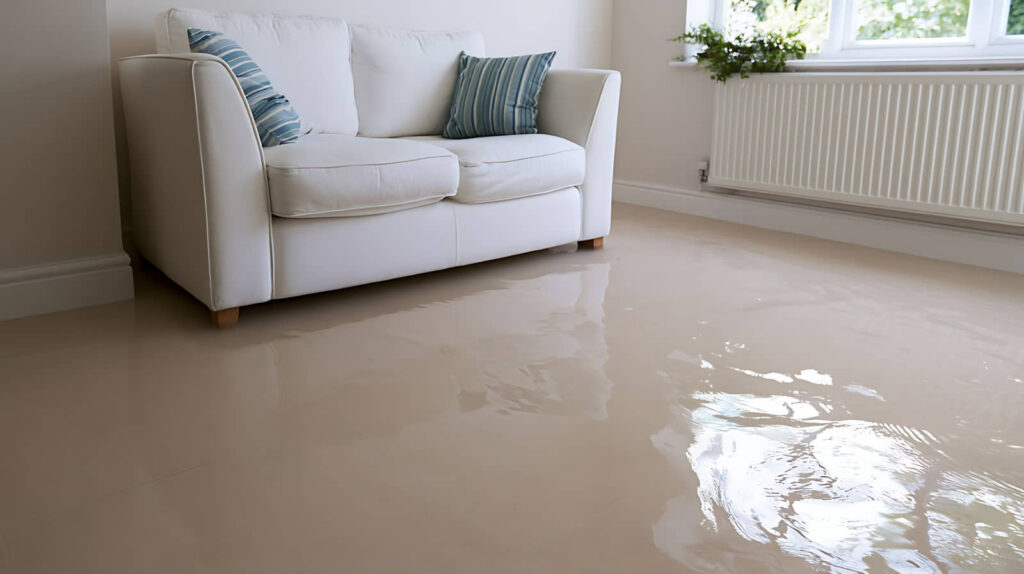
Flood water extraction services typically start with rapid removal of standing water to limit damage and reduce the risk of mold, structural deterioration, and electrical hazards.
You also get a clear assessment of affected areas, so you know what needs attention first. Technicians use extraction methods such as pumps, vacuums, and targeted drying equipment to remove moisture from floors, carpets, and hidden spaces.
They may move belongings, monitor humidity, and document flood damage for cleanup planning and insurance support. You stay informed throughout the process, which helps you feel prepared and included.
These services focus on restoring a safe, stable environment while reducing long-term repair costs and preventing further deterioration.
When Emergency Flood Water Extraction Starts
Emergency flood water extraction begins as soon as the property is safe to enter and technicians can assess the damage.
You need prompt action because flood timing affects how much structural damage and contamination you face. When water levels are high, crews move quickly to protect floors, walls, and belongings before conditions worsen.
You’re not alone in this process; your service team will guide you through the next steps and help you stay informed.
Extraction starts after any immediate hazards are cleared, local access is possible, and the site can support a safe response. Acting early can reduce drying time, limit repair costs, and support a faster recovery for your home or business, while giving you confidence that help is already on site.
How Emergency Flood Water Extraction Works
Once the site is safe, technicians inspect the affected areas, map the water source, and choose the right extraction equipment for the job.
You’ll usually see pumps, vacuums, and hoses working together to remove standing water quickly and control flood damage. The team targets carpets, subfloors, and hidden cavities, pulling moisture from surfaces before it spreads deeper.
They keep checking flow rates and adjust methods as water levels drop, so water removal stays efficient and thorough. You’re kept informed throughout, so you know what’s happening and what comes next.
After the main extraction, technicians clear remaining moisture and prepare the space for drying, helping your property move toward recovery with less disruption and more confidence.
Signs You Need Emergency Water Extraction
How do you know it’s time to call for water extraction? You should act fast if you see standing water, soaked carpets, swollen baseboards, or a damp smell that won’t leave. These are common signs of water damage, and they can spread quickly behind walls and under flooring.
If your home feels humid, your floors buckle, or stains appear after a leak or storm, you likely need emergency help. Don’t trust extraction myths that say small spills dry on their own or that fans alone solve the problem.
You belong in a safe, healthy space, and quick action protects it. When moisture lingers, mold and structural damage can follow, so call a trusted team as soon as you notice the warning signs.
What Equipment Flood Extraction Teams Use
After you spot the warning signs of water damage, flood extraction teams move in with specialized equipment to remove water fast and limit further harm.
You’ll usually see flood pumps for standing water and water vacuums for carpets, floors, and tight spaces. Crews also use hoses, extraction wands, moisture meters, and air movers to check affected areas and clear hidden water.
If your home has soaked padding or heavy pooling, they’ll choose the right tool for each surface so the job stays efficient and controlled.
You can feel confident knowing trained technicians use gear designed for your space, helping you stay informed and supported through the cleanup process.
Why Fast Flood Water Extraction Matters
Fast flood water extraction matters because every minute water sits in your home increases the risk of structural damage, mold growth, and costly repairs. You need quick action to limit flood damage and protect your belongings, flooring, and walls.
When water lingers, it can weaken materials and create unsafe conditions that threaten water safety for everyone in the home. Fast removal also helps you regain control sooner, so you can feel supported instead of overwhelmed.
How Fast Response Helps Stop Mold
When water damage isn’t addressed quickly, mold can begin developing in as little as 24 to 48 hours. You protect your home by acting fast, because emergency extraction removes standing water before it soaks deeper into walls, floors, and insulation.
That quick action limits mold growth and helps keep moisture from spreading into hidden areas. When you bring in a trained team right away, you also reduce health risks linked to mold exposure, including irritation, allergies, and breathing problems.
You don’t have to handle the damage alone. Fast response gives you a cleaner, safer space and helps your household feel secure again.
The sooner you start drying and extraction, the better your chances of preventing costly repairs and long-term contamination.
Frequently Asked Questions
Do Emergency Extraction Services Handle Sewage Backups?
Yes, you can expect many emergency extraction services to handle sewage backups, including sewage cleanup and sanitation. They’ll remove contaminated water quickly, reduce health risks, and help you restore a safe, comfortable space fast.
Are Emergency Extraction Services Available at Night?
Yes, you can usually get emergency extraction services at night; many providers offer night availability for urgent emergency response. You’ll feel supported knowing help can arrive quickly when unexpected damage needs immediate attention.
How Much Do Emergency Extraction Services Cost?
Costs usually range widely, depending on cost factors like urgency, distance, equipment, and staffing, so you’ll see pricing variations. You’ll fit in best by requesting a quote from trusted providers before deciding.
Can I Stay in My Home During Extraction?
Usually, you can’t stay home during the extraction process—safety first, ironically. If hazards are controlled, you might remain nearby, but professionals will prioritize home safety and may advise you to leave temporarily.
Do I Need to Call My Insurance Company First?
You don’t usually need to call your insurance company first, but you should check coverage details and keep receipts. After the work, file insurance claims quickly so you can avoid delays and support your claim.
Summary
When floodwater hits, you don’t have time to wait. Emergency extraction services rush in, assess the damage, and remove standing water fast before your property turns into a soggy disaster zone. Using powerful pumps and vacuums, they help protect your floors, walls, and belongings while cutting mold risk down to size. The sooner you act, the better your recovery will be—and the less likely a small flood becomes a full-blown nightmare.