
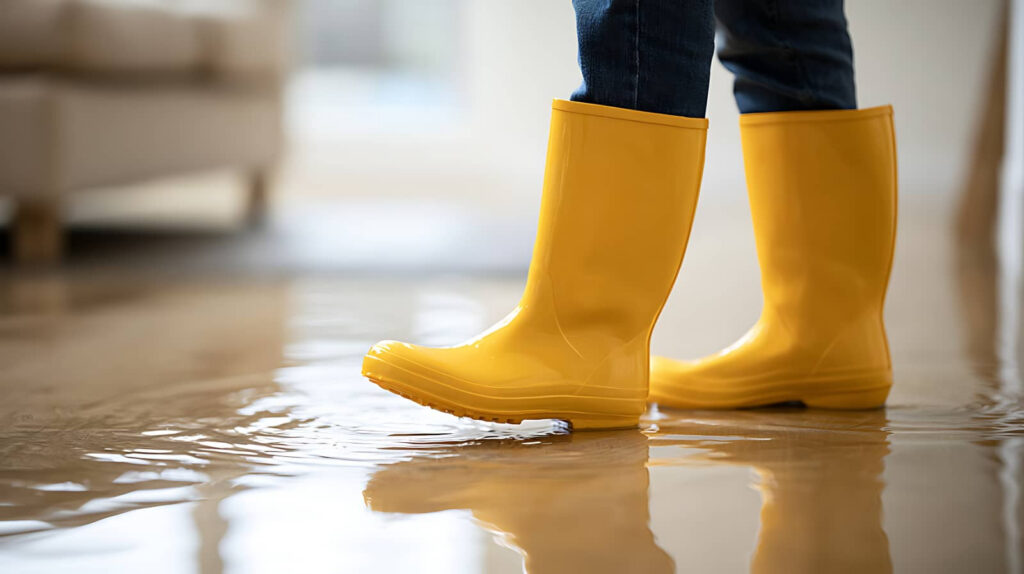
When floodwater enters your home, every minute counts because it can soak into drywall, flooring, and insulation fast. If you act quickly, you can limit structural damage, reduce mold risk, and protect metal and electrical components from corrosion. Professional water removal also helps clear contaminated water safely and prepare the space for repair. The first steps matter most, and what happens next can shape the full recovery.
Key Takeaways
- Rapid flood water removal limits absorption into carpets, drywall, and insulation, reducing long-term structural damage.
- Fast extraction helps prevent mold growth, odors, and hidden contamination in affected areas.
- Professional equipment removes standing water quickly and stabilizes indoor humidity more effectively.
- Early water removal reduces corrosion, swelling, and discoloration in floors, walls, and metal components.
- Prompt service supports insurance claims, speeds restoration, and helps protect your home’s value.
What to Do After Flood Water Enters Your Home?
The moment flood water enters your home, act quickly and safely: shut off electricity and gas if you can do so without entering standing water, then document the damage with photos before moving anything.
Notify your insurer, local emergency services if needed, and your trusted support network using your emergency contact list. Keep everyone out of affected areas until hazards are checked.
Wear waterproof boots and gloves if you must enter, and avoid contact with contaminated surfaces. Save receipts for temporary lodging, supplies, and repairs.
Review flood preparedness tips so you can make smarter choices under pressure. If neighbors need help, share reliable updates and stay connected; you’re stronger when you respond together.
Focus on safety, clear records, and calm decisions, and you’ll protect both your home and your community.
What Water Removal Stops First?
You should stop the water source first, because no removal effort can keep up if fresh water keeps entering the space.
Then you can focus on standing water, since it poses the greatest immediate risk to materials, safety, and drying time.
This order lets you work faster, reduce damage, and make each removal step more effective.
Stop Source First
Before you remove standing water, stop the source or the flood will keep coming back. You need source identification fast, then immediate water control to limit new intrusion.
Check burst lines, roof leaks, appliance failures, and exterior runoff; each one needs a different fix. When you act early, you protect your structure and your team.
- Shut off valves and breakers if water reaches systems.
- Seal openings where rain or runoff enters.
- Call licensed help when damage exceeds your control.
- Confirm the flow has stopped before cleanup starts.
This approach keeps you working with your crew, not against the problem. Rapid response matters, but stopping the source first gives every next step a real chance to succeed.
Prioritize Standing Water
Once the source is under control, focus on the standing water that’s doing the most immediate damage. You should remove it from the lowest rooms, near walls, and around appliances first, because pooled water keeps soaking materials and raising humidity.
Use pumps, wet vacuums, and dehumidifiers in a clear sequence so your water damage mitigation stays efficient. As you work, check for swelling, discoloration, and soft flooring, since these signs tell you where damage is spreading.
You’re not handling this alone; a fast, organized response protects your space and helps everyone feel secure again. These flood prevention strategies also reduce mold risk, preserve structure, and make cleanup more manageable.
Keep moving methodically, and you’ll stop small losses from becoming major repairs.
Why Fast Flood Water Removal Limits Damage
Fast flood water removal limits damage because standing water keeps seeping into drywall, flooring, insulation, and structural framing, where it quickly weakens materials and promotes mold growth.
You reduce flood impact by acting fast, because every hour increases swelling, staining, and hidden deterioration. Quick extraction supports damage mitigation by helping you preserve finishes, protect indoor air quality, and limit costly repairs.
You’re not alone in this process; timely action gives your property the best chance to recover cleanly and safely.
- Limits absorption into porous materials
- Reduces corrosion on metal components
- Helps stabilize indoor humidity
- Protects your home’s long-term value
What Flood Response Teams Handle
When you call a flood response team, they’ll start with emergency water extraction to remove standing water fast.
They’ll then assess the damage, document affected areas, and identify what needs cleanup or drying.
You can expect a practical plan that reduces further loss and gets the space ready for restoration.
Emergency Water Extraction
Emergency water extraction begins by removing standing water quickly so damage doesn’t spread through flooring, walls, and structural materials. You get a trained team using pumps, vacuums, and moisture meters to target hidden water fast. That response helps you stay in control, protect your space, and feel supported when things turn stressful.
Rapid pumping lowers saturation before materials swell.
Truck-mounted and portable extractors reach tight areas.
Moisture readings guide precise removal, not guesswork.
Clear action supports emergency preparedness and flood insurance claims.
You don’t have to manage flood water alone; your crew works with you, explains each step, and keeps the process efficient.
Quick extraction reduces lingering moisture, limits safety hazards, and sets you up for the next phase of recovery.
Damage Assessment and Cleanup
Once standing water is under control, flood response teams assess the full scope of damage so the cleanup plan matches what your property actually needs.
You’ll see trained technicians document damage types like soaked drywall, warped flooring, contaminated insulation, and hidden moisture in cavities. They test surfaces, map affected rooms, and identify safety risks such as electrical hazards or mold growth.
Then they select cleanup methods that fit the source of water, material condition, and drying goals. You’re not guessing or juggling tasks alone; you’re working with a crew that knows how to prioritize, isolate salvageable items, and remove unsalvageable debris fast.
This careful assessment helps protect your home, reduce losses, and get you back into a clean, stable space sooner.
When Professional Water Extraction Is Needed
If water has soaked into carpets, drywall, subfloors, or insulation, you’ll usually need professional extraction to prevent hidden damage and mold growth.
When moisture reaches structural layers, DIY methods often miss trapped water and leave materials unstable. Water extraction crews use truck-mounted vacuums, moisture meters, and air movers to remove water fast and verify results.
You can count on professional services when the affected area is large, water is contaminated, or flooring feels warped.
- Buckled floors
- Wet wall cavities
- Saturated padding
- Musty odors
If you act quickly, you’ll protect your home’s structure and keep your recovery on track with people who understand what you’re facing.
How Flood Cleanup Prevents Mold Growth
Flood cleanup helps prevent mold growth by removing standing water, drying materials quickly, and lowering indoor humidity before spores can settle into damp surfaces.
You protect your home by acting fast with proven cleanup techniques like water extraction, air movement, dehumidification, and removing saturated materials.
These steps reduce the moisture mold needs to colonize hidden spaces behind walls, under flooring, and in insulation.
When you follow a structured mold prevention plan, you also limit odors, staining, and material breakdown.
You’re not just drying a room; you’re restoring a safer, healthier space where your family can breathe easier and feel at home again.
Rapid response matters, and the right team keeps the process controlled, efficient, and effective.
What to Expect During Flood Damage Repair
During flood damage repair, you can expect a step-by-step process that starts with a detailed inspection, moisture mapping, and documentation of affected areas.
Then it moves into water removal, drying, cleaning, and any needed demolition of unsalvageable materials. You’ll stay informed, and your crew will explain each phase so you feel supported.
Your flood insurance claim usually needs photos and itemized notes, so keep records handy. The restoration timeline depends on saturation depth, material type, and drying conditions.
- Equipment placement and daily monitoring
- Sanitizing surfaces and controlling odors
- Coordinated repairs for walls, floors, and trim
- Final walkthrough to confirm readiness
You’re not alone; a solid team helps your home return to safe, stable condition with clear communication and steady progress.
Frequently Asked Questions
How Quickly Can Flood Water Extraction Begin After a Call?
You can usually start flood water extraction within hours of your call. Our emergency response team confirms your extraction timeline fast, arrives prepared, and gets you back to a safer, supported space quickly.
Does Insurance Cover Rapid Flood Water Removal Services?
Yes, your flood insurance policies may cover rapid flood water removal, but coverage limits vary. You should review your policy, document damage quickly, and work with your provider to confirm approved services.
What Equipment Do Professionals Use for Water Extraction?
You’ll see powerful extractors first, then air movers, dehumidifiers, moisture meters, and weighted wands. These professional equipment choices support water extraction methods that quickly clear standing water, protect your space, and help you feel backed.
Can Flood Water Damage Affect Electrical Systems?
Yes, flood water can damage your electrical systems, creating electrical hazards. You should shut off power, follow safety protocols, and request damage assessment. Professional restoration processes help you restore safely and protect your home.
How Long Does the Drying Process Usually Take?
Drying usually takes 3 to 7 days, depending on materials and moisture levels. You’ll speed it up with drying techniques, while environmental considerations like humidity and airflow can extend or shorten the process safely.
Review
When floodwater enters your home, every minute matters. You should act fast, because water spreads, seeps, and weakens materials before you even notice. Rapid removal helps stop structural damage, cut mold growth, and protect metal, flooring, and walls. If the water is deep, dirty, or widespread, call professionals right away. With quick extraction and cleanup, you’ll move from chaos to control—and your home can start recovering sooner, safer, and stronger.