
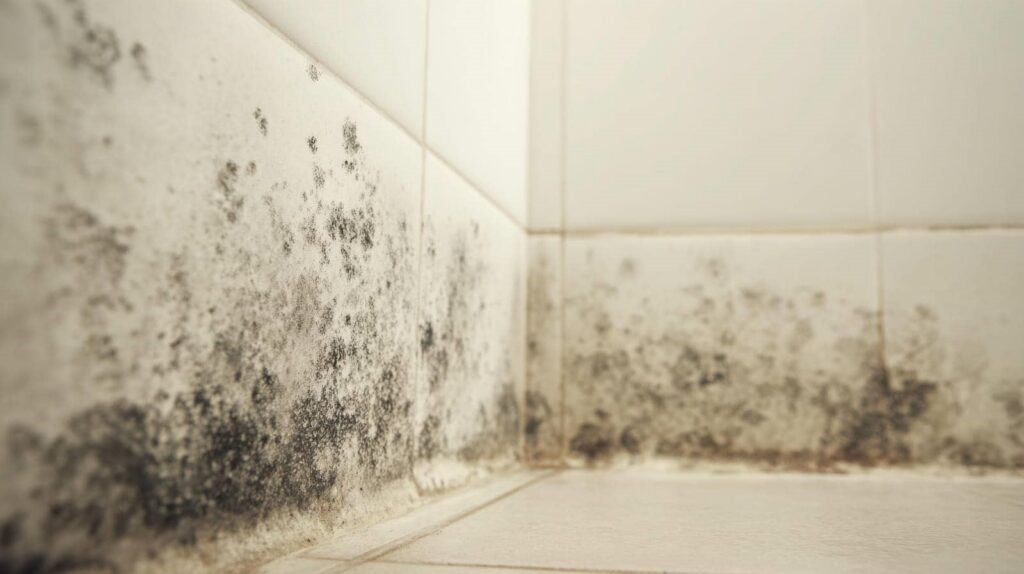
After a flood, your home’s integrity is at risk, especially from mold growth. You need to act quickly to assess the damage and remove any standing water. It’s not just about drying out the space; it’s also about using the right materials and maintaining proper ventilation. Each step you take can greatly reduce the chances of mold taking hold. Understanding the best strategies for mold prevention can make all the difference in safeguarding your home.
Key Takeaways
- Act quickly to remove standing water and moisture within 24 to 48 hours to prevent mold growth.
- Thoroughly dry affected areas using dehumidifiers and increase ventilation by opening windows and using exhaust fans.
- Choose mold-resistant products, such as paints and moisture barriers, during repairs to inhibit fungal development.
- Regularly inspect moisture-prone areas for visible mold signs and use moisture meters to detect hidden dampness.
- Consult professionals for thorough mold removal if discovered, ensuring minimized damage and a safer living environment.
Assess Damage and Remove Water From Various Sources
When evaluating damage after a flood, it’s crucial to act quickly to minimize mold growth.
Start by examining the flood aftermath in your home. Look for standing water, and identify sources like leaks or moisture-retaining materials.
Prioritize water removal using pumps, wet vacuums, or towels to extract as much water as possible. Don’t overlook hidden areas, such as behind appliances or inside walls, where moisture can linger.
Document the damage for insurance claims, but focus on immediate actions to prevent mold. The sooner you tackle these issues, the better your chances of protecting your home and health.
Involving professionals for thorough water removal can ensure a more effective and all-encompassing approach to safeguarding your space.
Thoroughly Dry Affected Areas
To effectively prevent mold growth, you must thoroughly dry all affected areas within 24 to 48 hours after water exposure.
Start by removing standing water using pumps or wet vacuums. Next, utilize dehumidifiers to lower humidity levels, as they effectively extract moisture from the air.
Ensure ventilation by opening windows and doors, allowing fresh air to circulate. It’s essential to inspect hidden spaces, like behind walls and under floors, where moisture can linger.
Consider using moisture barriers in areas prone to flooding, as they help prevent future water intrusion.
Choose Mold-Resistant Products for Water Damage Repair
Choosing mold-resistant products for water damage repair is vital, especially since traditional materials can harbor moisture and promote mold growth.
When selecting new materials, opt for mold-resistant paints that inhibit fungal development, providing an added layer of protection. These specialized paints can greatly reduce the likelihood of mold reoccurrence.
Additionally, incorporating moisture barriers during repairs is important; they prevent moisture from seeping into walls and floors, creating a dry environment less conducive to mold.
Look for products specifically designed for high-humidity areas, ensuring they meet your needs.
By investing in these mold-resistant solutions, you’re not just repairing damage—you’re fostering a healthier living space for you and your loved ones.
Make informed choices and protect your home effectively.
Ensure Effective Ventilation to Prevent Mold Growth
Effective ventilation is crucial for preventing mold growth, particularly in areas prone to moisture accumulation. To achieve this, employ various ventilation techniques that enhance air circulation throughout your space.
Open windows when weather permits, and use exhaust fans in kitchens and bathrooms to remove excess humidity. Consider installing vents in attics and crawl spaces to promote airflow. Dehumidifiers can also assist in maintaining ideal humidity levels.
Regularly check and clean your ventilation systems to ensure they function effectively. By prioritizing these strategies, you create an environment that’s less conducive to mold.
Keep an Eye Out for Mold and Act Quickly
While mold can develop quickly in damp environments, staying vigilant can help you catch it before it spreads. Use effective mold identification techniques and implement rapid response strategies to minimize damage.
- Regularly inspect areas prone to moisture, like basements and bathrooms.
- Look for visible signs of mold, such as discoloration or a musty odor.
- Use moisture meters to detect hidden dampness in walls and ceilings.
- Act swiftly; if you find mold, contain the area and consult professionals for removal.
Being proactive safeguards your home and fosters a sense of community and support among those facing similar challenges.
Frequently Asked Questions
How Long Does It Take for Mold to Start Growing After Flooding?
Mold growth can start within 24 to 48 hours after flood damage. To prevent it, you need to act quickly—dry out affected areas and remove contaminated materials to minimize risks and maintain a healthy environment.
Can I Use Bleach to Kill Mold Effectively?
You can use bleach to kill some mold types, but its effectiveness varies. Bleach doesn’t penetrate porous materials, so while it may seem helpful, consider other options for thorough mold removal and prevention.
What Are the Health Risks Associated With Mold Exposure?
Mold exposure’s like inviting unwelcome guests—mold allergies and respiratory issues can arise. You might experience sneezing, coughing, or even asthma attacks. Staying informed helps you protect yourself and create a healthier environment for everyone.
Do I Need Professional Help for Mold Removal?
Yes, you need professional help for mold removal, especially if the infestation is extensive. Professionals can conduct thorough assessments, ensuring proper techniques and safety measures are employed, protecting your health and maintaining a mold-free environment.
How Can I Identify Hidden Mold in My Home?
To identify hidden mold in your home, use mold detection methods like visual inspections and moisture meters. Look for hidden mold signs, such as water stains, musty odors, or damp areas in walls and ceilings.
Conclusion
By swiftly evaluating damage and addressing water issues, you can greatly reduce the risk of mold growth in your home. It’s interesting how a simple act, like opening a window, can lead to a healthier environment. Choosing mold-resistant materials and ensuring proper ventilation are essential steps. Remember, vigilance is key; regularly check for signs of mold. Coincidentally, taking these proactive measures protects your home and contributes to your peace of mind.