
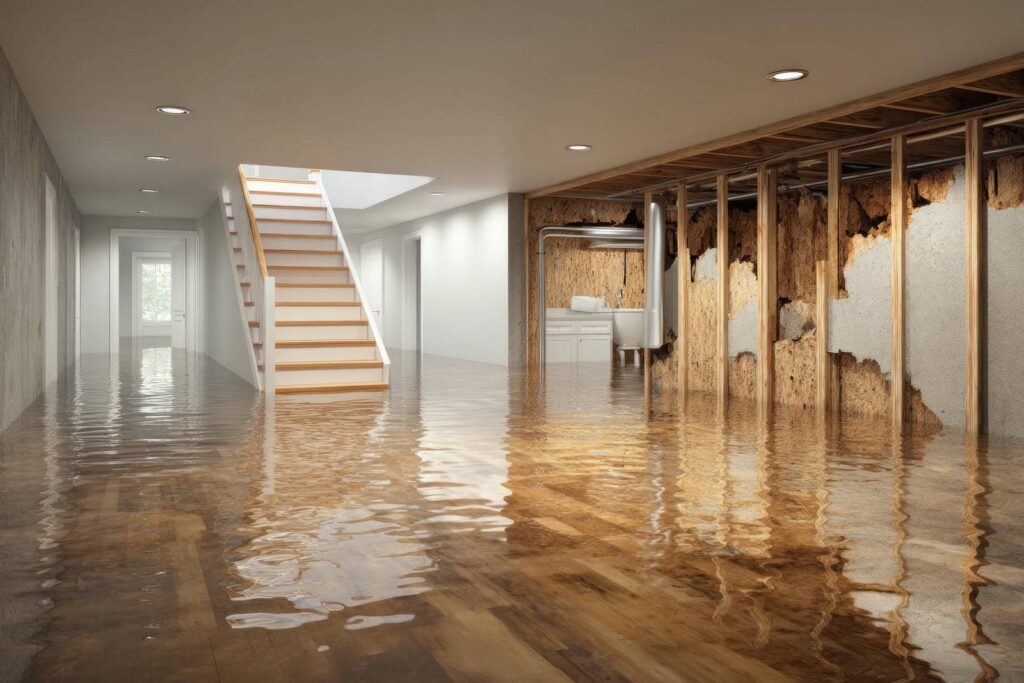
When you face flood damage reapair, knowing the right repair solutions can make a significant difference. Certified restoration services bring expertise and advanced equipment to effectively tackle water damage. They assess your property, remove standing water, and dry affected areas to curb mold growth. But what about DIY techniques? Understanding both professional methods and your own can provide a thorough approach to recovery. Let’s explore the critical steps you should consider next.
Key Takeaways
- Hire certified restoration services that specialize in flood damage for effective recovery and equipment use.
- Ensure the company assists with insurance claims to streamline the process.
- Use advanced equipment like pumps and dehumidifiers for efficient water removal and drying.
- Perform thorough cleaning and disinfecting to prevent mold growth and health hazards.
- Regularly document damage with photos for insurance claims and future reference.
Immediate Actions to Take After Flood Damage
When you face flood damage, acting quickly can greatly reduce long-term consequences. First, verify your safety and that of your loved ones; evacuate if necessary.
Next, reach out to emergency contacts to assess immediate hazards. Document the damage with photos; this will aid in your insurance claims process.
Contact your insurance provider as soon as possible to begin the claims process, providing them with detailed information about the damage. Make a list of damaged items and their approximate value, as this will support your claim.
If you can, remove standing water to prevent mold growth, but only if it’s safe. These immediate actions can help you regain control and begin the recovery journey, fostering a sense of belonging in your community.
Best Flood Damage Restoration Services for Homeowners
How can you ensure your home is restored effectively after flood damage? Start by choosing a reputable flood damage restoration service that specializes in evaluating and repairing water damage.
Look for companies that are certified, have positive customer reviews, and can help with insurance claims. They’ll guide you through the process, helping you understand restoration costs and the necessary steps to reclaim your space.
A professional team will utilize advanced equipment to remove water, dry affected areas, and prevent mold growth.
They’ll also document the damage thoroughly, ensuring your insurance provider has all the necessary information for your claim. By working with experts, you can restore your home with confidence, knowing you’re not alone in this challenging situation.
DIY Flood Cleanup Techniques
After securing professional help, you might still want to tackle some cleanup tasks on your own. Start by taking safety precautions: wear gloves, a mask, and boots to protect against contaminants.
Remove standing water with a pump or wet vacuum, and then thoroughly dry the area using fans and dehumidifiers. This is vital for mold prevention, as mold can develop within 24-48 hours.
Clean and disinfect surfaces with a mixture of water and bleach, focusing on areas affected by water. Dispose of any damaged materials, like carpets or drywall, responsibly.
Finally, keep an eye on humidity levels and ensure proper ventilation to create a safe, healthy environment. Taking these steps can empower you in your recovery journey.
How to Prevent Flood Damage in Your Home
While you can’t control the weather, there are effective measures you can take to minimize flood damage in your home.
First, consider investing in flood insurance; it’s a safety net that can ease financial stress during tough times.
Next, implement proper drainage solutions around your property. Make sure gutters are clear, and downspouts direct water away from your foundation.
Installing a sump pump can also help manage water accumulation during heavy rains.
Additionally, elevate electrical systems and appliances above potential flood levels to safeguard against water damage.
Regularly inspect your home for cracks or weaknesses in the foundation, sealing them promptly.
Next Steps After DIY Cleanup
Once you’ve tackled the initial cleanup after a flood, it’s crucial to take the next steps to ensure your home is safe and structurally sound.
Here’s what you should do next:
Document the Damage: Take detailed photos for your flood insurance claim. This will help speed up your recovery timeline.
Assess Structural Integrity: Check for signs of mold or water damage in walls and floors. If you notice anything concerning, consult a professional.
Start the Recovery Process: Begin drying out your home thoroughly. Use fans and dehumidifiers to prevent further damage.
Taking these steps ensures your home can recover effectively while keeping you connected to a supportive community.
You’re not alone in this—many have faced similar challenges and emerged stronger.
How to Choose the Right Flood Damage Repair Company?
Choosing the right flood damage repair company is vital for effective recovery.
You’ll want to verify their credentials and experience to ensure they have the necessary expertise.
Additionally, evaluating their response time can greatly impact how quickly your home gets back to normal.
Verify Credentials And Experience
When selecting a flood damage repair company, verifying credentials and experience is essential for ensuring quality service. You want a team that can handle your situation with expertise.
Here are three key steps to guide you:
Check for Licenses and Certifications: Confirm the company has the necessary licenses and industry certifications, indicating they meet professional standards.
Review Customer Feedback: Look at online reviews and testimonials to gauge their reputation and reliability within the community.
Conduct an Experience Assessment: Inquire about their years in the business and specific flood repair projects they’ve completed.
This credential verification helps you feel confident in your choice, knowing you’re entrusting your home to knowledgeable professionals.
Assess Response Time Efficiency
How quickly can a flood damage repair company respond to your emergency? Your peace of mind hinges on their response time.
When water invades your home, every minute counts; quicker intervention can greatly improve restoration efficiency. Look for companies that offer 24/7 availability and can arrive within an hour of your call.
Ask about their average response times and any ensures they provide. A prompt response isn’t just about speed; it reflects their commitment to minimizing damage and restoring your space effectively.
Additionally, inquire about their equipment and techniques, as advanced tools can enhance their efficiency in tackling extensive damage.
Choosing a company that prioritizes swift action ensures you’re not alone during this challenging time.
Frequently Asked Questions
What Types of Insurance Cover Flood Damage Repairs?
You’ll find that flood insurance types, like the National Flood Insurance Program (NFIP) and private policies, offer varying coverage limits. It’s essential to understand these options to safeguard your home and financial well-being effectively.
How Long Does Flood Damage Restoration Typically Take?
Typically, flood damage restoration takes one to two weeks. You’ll notice the drying process is essential; it affects the entire restoration timeline. Patience is important, as thoroughness ensures your space feels like home again.
Are There Health Risks Associated With Floodwaters?
Yes, floodwater contamination poses significant health risks. You might face infections, gastrointestinal issues, or skin irritations from exposure. It’s essential to assess and mitigate these dangers promptly for your well-being and that of your loved ones.
Can I Claim Flood Damage if I Live in a Flood Zone?
Yes, you can claim flood damage in a flood zone, but it depends on your insurance policy and flood zone regulations. Check your eligibility and verify your coverage meets local requirements for thorough protection.
What Items Are Salvageable After Flood Damage?
After flood damage, focus on salvaging items like furniture, electronics, and personal documents. Prioritize restoration based on sentimental value and condition. Use flood salvage tips to guide your decisions and ensure a smoother recovery.
Wrap-Up
In summary, addressing flood damage quickly is essential for safeguarding your home. By taking immediate action, considering professional restoration services, and employing effective DIY techniques, you can considerably reduce long-term impacts. Remember, prevention is just as important; investing in flood defenses can save you from future headaches. Stay proactive and protect your property from the unforeseen challenges of flooding.