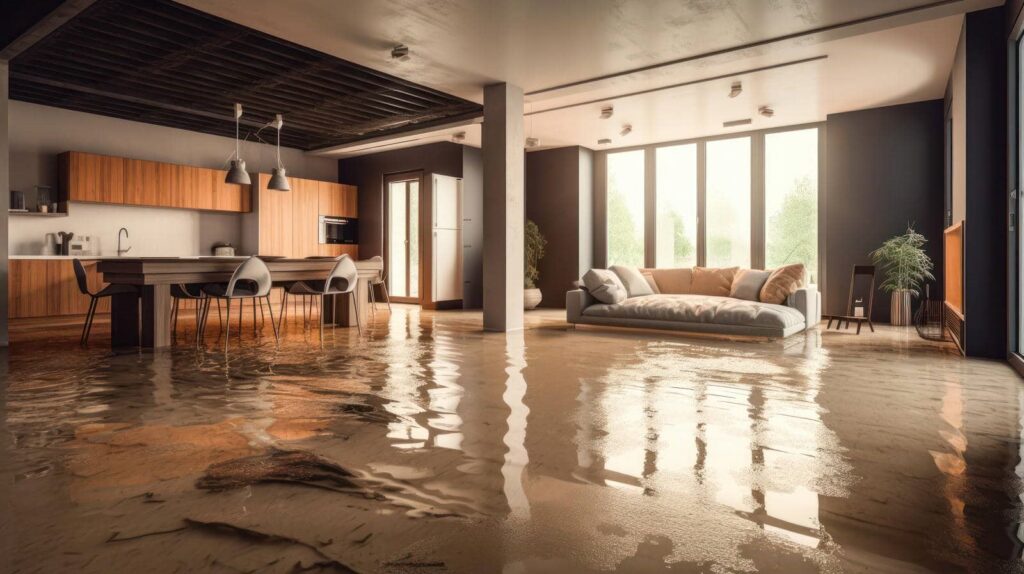
Did you know that mold can begin to develop within just 24 hours of water exposure? This rapid growth can lead to serious health issues and costly repairs if not addressed quickly. Effective water damage restoration isn’t just about fixing what’s visible; it’s about safeguarding your home and well-being. Understanding the nuances of this process can make a significant difference in outcomes, especially when you consider the potential long-term consequences of inaction.
Key Takeaways
- Timely water damage restoration prevents severe consequences, reducing costs and protecting property from further deterioration.
- Quick action mitigates health risks, such as mold growth and compromised air quality, ensuring a safe living environment.
- Effective restoration involves thorough assessment and proper equipment, speeding up recovery and enhancing overall effectiveness.
- Documenting damage and understanding insurance policies facilitate smoother claims processing, ensuring prompt financial support for restoration efforts.
- Preventive measures, like regular maintenance and moisture control, significantly reduce the risk of future water damage.
Why Timely Water Damage Restoration Is Essential
When you experience water damage, acting quickly is essential because delays can lead to more severe consequences.
The timing importance in restoration can’t be overstated; every minute counts when moisture seeps into your walls, floors, and belongings. The longer you wait, the greater the risk of mold growth and structural deterioration, impacting your home and your peace of mind.
Restoration urgency means addressing the problem immediately, ensuring that you mitigate further damage and costs. By prioritizing timely action, you protect your property and create a safe, welcoming environment for you and your loved ones.
Common Causes of Water Damage in Homes
Water damage can strike unexpectedly, often due to plumbing system failures or the impact of natural disasters.
You mightn’t realize how vulnerable your home is until a hidden leak or a sudden storm wreaks havoc.
Understanding these common causes is essential for preventing significant damage and ensuring your home remains safe and sound.
Plumbing System Failures
Plumbing system failures can strike unexpectedly, causing significant water damage in your home. Regular plumbing inspections are essential for early leak detection, helping you avoid costly repairs.
Pay attention to pipe maintenance, as issues like pipe corrosion and root intrusion can compromise your system. A malfunctioning sump pump may lead to flooding, while drainage issues can exacerbate existing problems.
Fixture failures often stem from faulty valves or inconsistent water pressure, creating a perfect storm for leaks. By staying proactive about your plumbing, you protect your home and foster a sense of security within your space.
Don’t wait for a disaster—invest in your plumbing to ensure it serves you well for years to come.
Natural Disasters Impact
Natural disasters often strike without warning, leaving homeowners vulnerable to significant water damage. Flooding, heavy rains, and hurricanes can overwhelm your property, causing destruction in mere moments. You might experience compromised foundations, soaked walls, and ruined belongings.
To mitigate these risks, flood preparedness is vital—having an emergency plan and necessary supplies on hand can make all the difference.
After a disaster, engaging in effective disaster recovery becomes essential. This involves evaluating damage promptly, contacting professionals, and ensuring that your home is safely restored.
What You Need to Know About Water Damage Restoration Steps
When facing water damage, understanding the restoration steps can greatly ease the recovery process.
First, assess the affected area to determine the extent of the damage. Next, implement effective restoration techniques, such as water extraction and drying, to mitigate further issues.
It’s essential to remove any damaged materials promptly and safely. After that, sanitize the space to prevent mold growth, a common concern in water-damaged areas.
You should also develop prevention strategies, like fixing leaks and ensuring proper drainage, to protect your home in the future.
Each step you take restores your sense of space and fosters a sense of community and belonging, reassuring you that you’re not alone in this challenging situation.
Health Risks of Water Damage and Restoration
Water damage poses significant health risks that you can’t afford to overlook.
Mold growth can quickly become a problem, affecting air quality and leading to respiratory issues.
Additionally, the structural integrity of your home may be compromised, and contaminated water can introduce harmful pathogens, making prompt action essential for your safety.
Mold Growth Concerns
While addressing water damage, it’s essential to recognize that mold growth can pose significant health risks. Mold thrives in damp environments, and if you don’t act quickly, it can spread rapidly.
Understanding mold prevention techniques and effective remediation strategies is imperative for your well-being. Here are some key concerns to keep in mind:
- Respiratory issues, like asthma and allergies
- Skin irritations or rashes
- Fatigue and headaches
- Weakened immune systems
- Long-term health complications
Taking proactive measures can help protect you and your loved ones. Always ensure proper ventilation and moisture control, and if mold does appear, seek professional help to manage the situation effectively.
Your health and safety matter, and addressing mold concerns is a critical step in restoration.
Structural Integrity Risks
Ignoring mold concerns can lead to another significant issue: the structural integrity of your home.
When water damage occurs, it can weaken your foundation stability, jeopardizing the very structure you rely on for safety. Excess moisture facilitates rot and corrosion, which can compromise beams, walls, and floors.
You deserve a safe living environment, and addressing these issues promptly is crucial. If left untreated, the risks escalate, potentially leading to costly repairs and unsafe conditions.
Effective water damage restoration mitigates mold and ensures your home’s structural safety. By taking immediate action, you protect your investment and create a secure space for you and your loved ones.
Prioritize restoration to safeguard your home’s future.
Contaminated Water Hazards
Contaminated water poses serious health risks that can’t be overlooked. When dealing with water damage, it’s essential to identify potential hazards from contaminated sources. Here’s what you need to be aware of:
Bacteria and Viruses: These can lead to severe infections, especially in vulnerable populations.
Mold Growth: It thrives in damp environments, causing respiratory issues and allergic reactions.
Chemical Contaminants: Household products or industrial run-off can seep into water, posing toxic threats.
Heavy Metals: Lead and other metals can leach into water, affecting your health over time.
Sewage Backflow: This can introduce harmful pathogens, necessitating immediate professional intervention.
Understanding these hazards through proper hazard identification protects you and fosters a sense of community safety.
How to Choose the Best Restoration Service
How can you ensure you’re choosing the best restoration service for water damage? Start by researching customer reviews; they’re invaluable for understanding the experiences of others. Look for consistent praise about response times and effectiveness.
Next, confirm the company has the necessary service certifications. These certifications indicate that the team is trained in the latest techniques and safety standards, which is essential for your peace of mind.
Ask questions about their process and what equipment they use, as this reflects their level of professionalism. Remember, a reliable restoration service restores your home and supports you through a challenging time.
Trust your instincts and choose a service that makes you feel secure and valued.
How Professional Equipment Aids Restoration
Choosing the right restoration service sets the foundation for effective water damage recovery, but it’s the professional equipment they use that truly makes a difference. Specialized tools enhance restoration techniques, ensuring your space is safe and dry. Here’s how:
Moisture Detection: Advanced sensors identify hidden damp areas, vital for thorough drying.
Drying Methods: High-capacity dehumidifiers and air movers expedite the drying process.
Equipment Types: Specialized tools cater to various surfaces, ensuring effective restoration.
Safety Protocols: Equipment adheres to strict safety guidelines, protecting you and your property.
Equipment Maintenance: Regular checks ensure peak performance, keeping restoration timelines on track.
Using the right equipment speeds up recovery and enhances the overall effectiveness of the restoration process.
Navigating Insurance for Water Damage Restoration
When dealing with water damage, understanding your policy coverage is essential to ensure you’re protected.
You’ll need to document the damage thoroughly to support your claim, so take detailed photos and notes.
Filing your claims efficiently can make a significant difference in the speed of your restoration process, helping you get back to normal life sooner.
Understanding Your Policy Coverage
Have you ever wondered what your insurance policy really covers when it comes to water damage? Understanding your coverage can make all the difference in a crisis. Here’s what you should know:
Policy exclusions: Some damages mightn’t be covered, like mold or wear and tear.
Coverage limits: Understand the maximum amount your policy will pay for restoration.
Deductible details: Know how much you’ll pay out-of-pocket before coverage kicks in.
Restoration benefits: Familiarize yourself with what services are included, from emergency services to full restoration.
Depreciation impact: Be aware that the value of your belongings may affect your payout.
Navigating the claim process can be challenging, but being informed empowers you to act decisively when needed.
Documenting Damage Thoroughly
How can you ensure a smooth insurance claim process after water damage? Start with a thorough damage assessment.
Documenting every detail is essential. Use documentation techniques like taking high-quality photos and videos of affected areas, noting the extent of the damage, and keeping records of any repairs made.
Don’t forget to include timestamps, as this helps establish a timeline for your claim. Consider creating a written inventory of damaged items, which adds to your evidence.
This thoroughness supports your claim and shows your commitment to restoring your home. By being meticulous, you empower yourself in the insurance process, fostering a sense of control during a challenging time.
Filing Claims Efficiently
Steering through the insurance claim process can feel overwhelming after experiencing water damage, yet understanding the steps can greatly ease your burden.
Here’s how to navigate it effectively:
Gather claim documentation: Collect receipts, photos, and repair estimates.
Contact your insurance provider: Report the damage promptly to initiate the claim.
Understand your policy: Familiarize yourself with coverage limits and exclusions.
Keep records of all communications: Document conversations for future reference.
Prepare for insurance negotiation: Be ready to discuss your claim and advocate for fair compensation.
Preventing Future Water Damage in Your Home
While water damage can strike unexpectedly, taking proactive measures can greatly reduce your risk. Start with regular home maintenance to identify potential issues early.
Install water sensors in vulnerable areas; they alert you to leaks before they escalate. Implement moisture control strategies, such as using dehumidifiers and ensuring proper ventilation.
Consider drainage solutions like gutters and downspouts that direct water away from your foundation. Make landscaping adjustments to slope away from your home, reducing water pooling.
Finally, invest in insulation upgrades to protect pipes from freezing. By prioritizing these preventive measures, you’re not just safeguarding your home; you’re creating a secure environment for your loved ones, fostering a sense of belonging and peace of mind.
Success Stories: Learning From Water Damage Restorations
Rebuilding after water damage isn’t just a process; it’s a journey of resilience and recovery. You can learn from the countless success stories shared by homeowners who’ve faced similar challenges. These testimonials highlight effective restoration techniques that made a difference.
- Swift response minimized damage impact.
- Advanced drying equipment reduced mold risks.
- Professional assessment pinpointed hidden issues.
- Transparent communication built trust.
- Thorough follow-ups ensure lasting results.
Every story reflects hope and determination, reminding you that restoration is possible.
By embracing these experiences, you not only gain insight but also a sense of belonging within a community that understands the trials of water damage.
Your journey may inspire others, showcasing the strength found in recovery and resilience.
What to Expect During Water Damage Restoration?
After hearing those inspiring success stories, it’s important to understand what you can expect during the water damage restoration process.
Initially, a professional team will assess the damage, outlining a clear restoration timeline that keeps you informed.
You’ll see various restoration techniques in action, including water extraction, drying, and dehumidification, each tailored to your specific situation.
As the process unfolds, expect regular updates, fostering an environment of transparency and trust.
They’ll also inspect for mold and ensure safety standards are met.
While it might feel overwhelming, remember that each step is designed to restore your space and peace of mind.
You’re not alone—dedicated professionals are here to guide you through this challenging journey.
Frequently Asked Questions
How Can I Detect Hidden Water Damage in My Home?
To detect hidden water damage, inspect pipes for leaks, use moisture detection tools, and look for hidden stains on walls or ceilings. Regular checks can help you catch issues early, preventing bigger problems down the road.
What Insurance Coverage Is Typically Needed for Water Damage?
You’ll need flood insurance if you live in a whimsical water wonderland. Homeowner policies usually cover minor leaks, but for serious floods, don’t forget to check your coverage. Protect your home, and keep it dry!
Is DIY Restoration Effective for Minor Water Damage?
DIY restoration can be effective for minor water damage. You can use DIY techniques and restoration tools for water extraction and minor repairs, but always verify you thoroughly assess the situation to avoid complications.
How Long Does Water Damage Restoration Usually Take?
Water damage restoration usually takes three to seven days, depending on the extent. Understanding water damage timelines helps you prepare for the restoration process, ensuring a smoother recovery and a return to your home’s comfort.
What Are the Signs of Mold Growth After Water Damage?
You’ll notice musty odors, visible mold patches, or increased indoor humidity. If you spot these signs, act quickly. Addressing mold prevention is essential for maintaining a healthy environment and ensuring your space feels safe and welcoming.
Wrap-Up
In the face of water damage, swift action is your strongest ally. By prioritizing effective restoration, you safeguard your property and your family’s health, like a fortress against a relentless storm. Remember, every moment counts, and choosing the right restoration service can make all the difference in restoring your home to its former glory. Don’t wait for problems to multiply; act now to ensure a safe, dry environment for you and your loved ones.