When floodwater hits, you need fast, targeted cleanup to stop mold before it starts. You’ll see why emergency extraction, controlled drying, mold remediation, sewage cleanup, and moisture-reducing repairs each address a different failure point. The right sequence matters, because missed dampness can stay hidden and spread fast. What happens in the first few hours can determine whether your property recovers cleanly or develops a longer problem. Here are five flood cleanup services that help stop mold before it starts.
Key Takeaways: Flood Cleanup Services
- Emergency water extraction removes standing water quickly, reducing damage and limiting mold growth.
- Thorough drying with air movers and dehumidifiers prevents hidden moisture from spreading into walls and floors.
- Mold remediation is needed when you see visible growth, musty odors, staining, or worsening health symptoms.
- Sewage backup cleanup requires protective gear, disinfecting, and safe debris removal to prevent contamination.
- Moisture-source repairs, like sealing leaks and improving ventilation, help prevent future flooding and mold.
Emergency Water Extraction
When floodwater enters your property, emergency water extraction is the first critical step to limit damage and reduce the risk of mold, structural deterioration, and electrical hazards.
You need a rapid emergency response that removes standing water before it migrates into subfloors, wall cavities, and insulation. Trained technicians assess water damage, isolate affected zones, and use high-capacity pumps, wet vacuums, and specialized extraction tools to lower moisture loads quickly.
You’re not dealing with this alone; a coordinated crew helps protect your home’s structure and your peace of mind. Precise extraction also supports safer conditions for your household and makes the next recovery steps more effective.
Acting fast helps you regain control, reduce loss, and restore a sense of stability after flooding.
Drying Out Flood-Damaged Areas
Once standing water is removed, drying out flood-damaged areas becomes the next priority to stop hidden moisture from spreading through flooring, drywall, framing, and insulation.
You’ll want high-capacity air movers and dehumidifiers placed to create steady airflow and lower relative humidity. Open cavities, baseboards, and accessible wall sections if needed so trapped dampness can escape.
Monitor moisture levels with meters, not guesswork, because flood damage often leaves wet pockets behind finishes. Keep temperature and ventilation balanced so surfaces dry evenly without warping.
Good moisture control helps you protect structural materials and reduce secondary damage. As you stay on top of drying, you’re helping your space return to a safe, stable condition, and you’re not facing this cleanup alone.
When Mold Remediation Is Needed
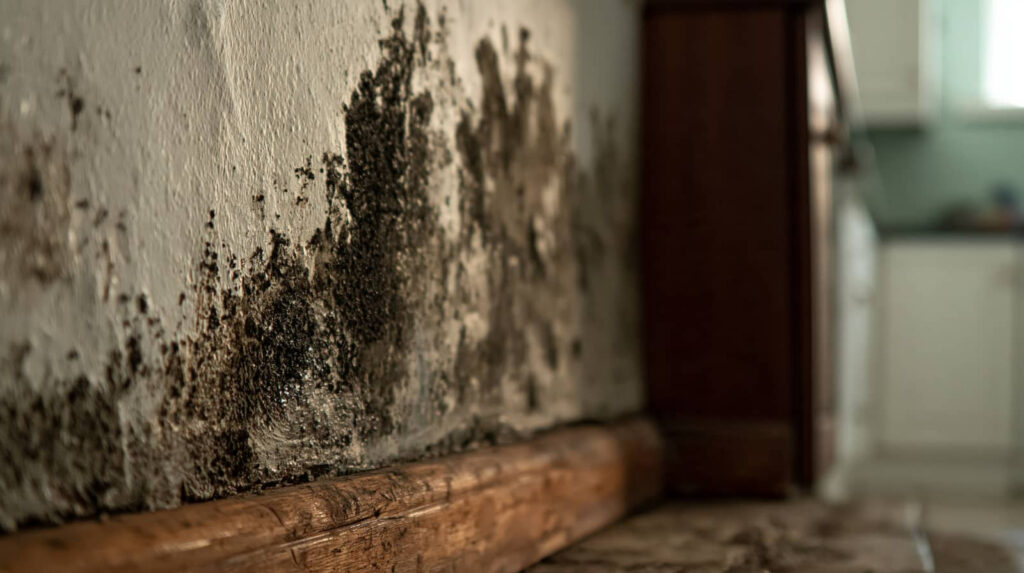
If moisture has remained in porous materials long enough for mold to start growing, you’ll need remediation rather than simple drying. You can spot the need when you notice: For more ways to protect your home, see our top tips for preventing mold after flooding.
- visible colonies on drywall, insulation, or subflooring
- a persistent musty odor after drying
- staining, swelling, or crumbling materials
- worsening health risks like irritation or coughing
At that point, you should isolate the affected area, remove contaminated materials, and verify that hidden moisture is gone.
A trained team can assess the extent of mold growth, control spread, and restore safe indoor conditions.
You’re not dealing with a failure; you’re responding correctly to a known hazard. With the right remediation, you can protect your home, your air quality, and the people who belong there.
How to Clean Up Sewage Backup
Sewage backup demands immediate, careful cleanup because it can expose you to bacteria, viruses, and other contaminants. You should keep people and pets out, then wear gloves, boots, and a fitted mask before you begin.
Open windows if you can, and shut off the affected area’s power only when it’s safe to do so. Remove standing waste water with approved cleanup methods, then discard porous items that soaked it up.
Wash hard surfaces with hot water and a disinfectant labeled for sewage safety, following the contact time exactly. Don’t mix chemicals.
Bag debris securely, and wash hands and gear thoroughly after you finish. If the backup covers a large area, call trained help so you’re supported and the space gets cleaned correctly.
Repairs That Prevent Future Moisture
After the cleanup is complete, you should correct the source of the moisture so it doesn’t return and damage the structure again. You can protect your home with targeted repairs that keep your space dry and safe.
Start by sealing foundation cracks, replacing damaged flashing, and upgrading drainage around the building. Then add moisture barriers in crawlspaces and basements to limit vapor intrusion.
Check plumbing lines, window seals, and roof penetrations for hidden leaks. Improve ventilation systems in bathrooms, kitchens, and utility areas to move humid air out fast.
- Inspect grading and gutters.
- Repair leaks immediately.
- Install vapor control layers.
- Service fans and ducts.
These steps help you reduce mold risk, strengthen the structure, and feel confident your property’s protected.
Frequently Asked Questions
How Quickly Should I Call a Flood Cleanup Service After Water Intrusion?
Call a flood cleanup service immediately, ideally within an hour of water intrusion. You’ll get emergency response and water extraction fast, which limits damage, protects belongings, and helps you feel secure and supported.
Do I Need to Document Damage Before Cleanup Starts?
Yes, you should document damage before cleanup starts; it can feel like your whole world’s collapsing, but photos, videos, and notes support damage assessment and insurance documentation, helping you stay protected, informed, and confidently included.
Will My Insurance Cover Professional Flood Cleanup and Mold Prevention?
Usually, you’ll get coverage if your insurance policies include water damage, and some plans add mold coverage. Review exclusions, document loss, and call your adjuster fast; you’re not alone in this process.
Can Flood Cleanup Services Save Carpets and Furniture?
Yes, you can often save carpets and furniture with rapid carpet restoration and furniture drying. You’ll improve recovery by extracting water, controlling humidity, and using antimicrobial treatment, so your belongings stay usable and your home feels cared for.
How Do I Choose a Qualified Flood Cleanup Company?
You’ll choose a qualified flood cleanup company by checking certification standards and service reviews—because, naturally, you’d trust a stranger with soaked floors first. Verify rapid response, licensed technicians, moisture testing, and clear written estimates.
Final Thoughts
When floodwater hits, you need to move fast. Emergency extraction, targeted drying, mold remediation, sewage cleanup, and moisture-control repairs work together like a five-part shield, stopping damage before it spreads. By removing standing water, driving out hidden dampness, and sealing weak points, you reduce mold risk and protect indoor air quality. If you act quickly and use the right services, you can restore your space with confidence and keep it healthier longer. Professional flood cleanup services give your home the best chance to recover without mold problems.