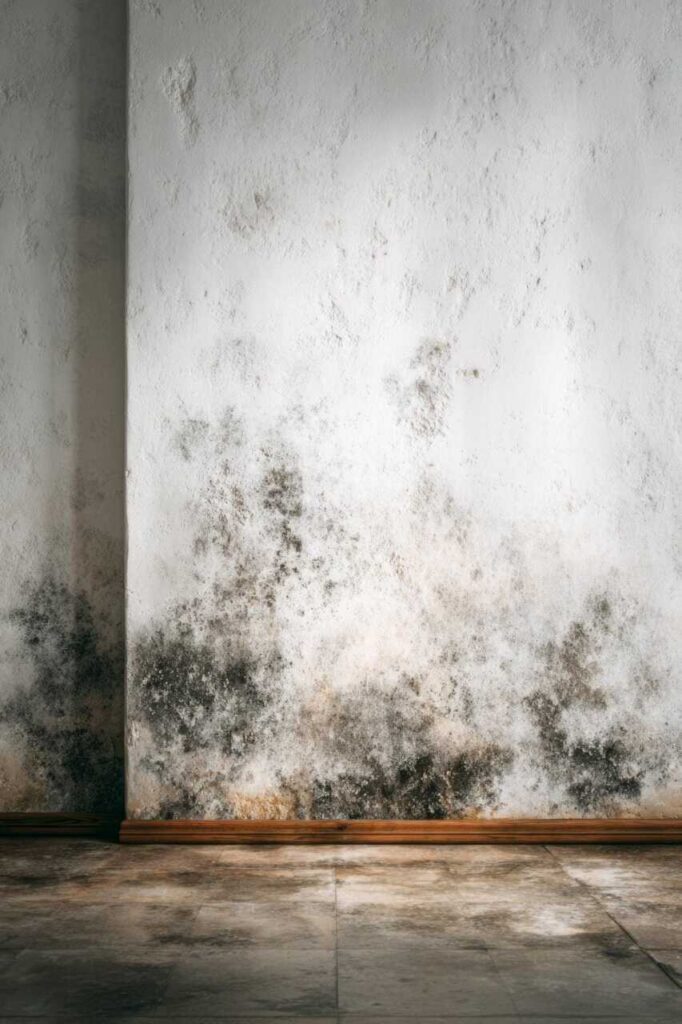
Mold after water damage is like an unwelcome guest that multiplies quickly if not addressed. To prevent its growth, you’ll need to act swiftly and decisively. By understanding the immediate steps and effective cleaning solutions, you can protect your space and health. But what happens when the mold is hidden, lurking in places you can’t see? Discover the vital strategies that can keep your environment safe and mold-free.
Key Takeaways
- Remove standing water immediately using pumps or wet vacuums to prevent mold growth within 24 to 48 hours.
- Use dehumidifiers and fans to thoroughly dry affected areas and reduce moisture levels.
- Clean mold with natural solutions like vinegar or baking soda, or consider commercial mold removers for severe cases.
- Seek professional help for extensive mold growth, hidden mold, or if health issues arise.
- Regularly monitor humidity levels, inspect for leaks, and ensure proper ventilation to prevent future mold issues.
Mold Growth After Water Damage
When water damage occurs, it creates an ideal environment for mold to thrive, often within just 24 to 48 hours.
Various mold types, such as black mold and Aspergillus, can rapidly develop, leading to significant health risks. You might experience respiratory issues, allergies, or even more severe reactions, especially if you’re sensitive to mold.
Understanding these risks is essential for your well-being and your loved ones. It’s not just about the visible mold you see; hidden spores can proliferate in walls and ceilings.
Recognizing the signs of mold growth early can help you maintain a healthier living space. Being proactive about mold awareness can foster a sense of community where everyone feels safe and informed.
Immediate Steps to Prevent Mold Growth
To prevent mold growth after water damage, you need to act quickly.
Remove any standing water immediately to eliminate the primary source of moisture.
Additionally, increasing air circulation in the affected area will help dry surfaces faster and discourage mold development.
Remove Standing Water Quickly
Act swiftly to remove standing water, as every minute counts in preventing mold growth.
Begin with effective water extraction techniques, using pumps or wet vacuums to clear excess water. Conduct a thorough moisture assessment to identify hidden pockets of water.
Implement drying equipment, such as dehumidifiers and fans, to accelerate the drying process. For safety, adhere to safety precautions like wearing gloves and masks during flood cleanup.
Create a cleanup checklist to track your progress and ensure all areas are addressed.
By prioritizing the removal of standing water, you greatly reduce the risk of mold development, fostering a healthier environment for you and your loved ones.
Your quick actions can make all the difference in mold prevention.
Increase Air Circulation
Although water extraction is essential, increasing air circulation is equally important in the immediate aftermath of water damage to prevent mold growth. You can employ effective airflow techniques, such as using fans or opening windows, to promote drying.
Make certain that air moves freely throughout affected areas, as stagnant air fosters humidity, creating an ideal environment for mold. Additionally, consider utilizing dehumidifiers to maintain humidity control, which further inhibits mold spores from settling.
Best Cleaning Solutions for Mold Growth
When tackling mold growth after water damage, choosing the right cleaning solution is essential for effective remediation. You can opt for both natural cleaners and commercial solutions, depending on your needs.
Here are some effective options:
Vinegar: This natural cleaner kills many types of mold and is safe for most surfaces.
Baking Soda: Combine with water or vinegar for a gentle yet effective mold remover.
Hydrogen Peroxide: This commercial solution works well on porous materials like wood and drywall.
Commercial Mold Removers: These are formulated specifically for tougher mold issues, often containing powerful antifungal agents.
Make sure to wear protective gear and ventilate the area while cleaning.
When to Call Professionals for Mold Remediation?
How can you determine if it’s time to bring in professionals for mold remediation? If you’ve noticed extensive mold growth or if it’s affecting a large area, a professional assessment is vital.
When mold appears in hidden spaces, like behind walls or under carpets, a mold inspection by experts can identify the problem’s scope.
If you or anyone in your home experiences allergic reactions or respiratory issues, seeking professional help is essential for health safety.
Additionally, if previous cleaning attempts haven’t worked, it’s time to call in the experts.
How Thorough Drying Prevents Mold Growth
After evaluating the need for professional mold remediation, addressing moisture is the next critical step in preventing mold growth.
Effective moisture control hinges on thorough drying techniques that eliminate dampness quickly. Here’s what you can do:
Use Dehumidifiers: These devices efficiently extract moisture from the air.
Employ Fans: Circulating air helps speed up the drying process.
Remove Wet Materials: Carpets, drywall, and insulation should be taken out if they’re soaked.
Monitor Humidity Levels: Keep humidity below 60% to deter mold.
Ventilation Tips to Reduce Mold Risks
Effective ventilation plays an essential role in reducing mold risks, as it helps maintain ideal air circulation and moisture control.
To enhance your home’s ventilation, consider utilizing natural ventilation. Open windows and doors when weather permits to encourage airflow, helping to lower humidity levels. Additionally, strategically placing fans can aid in circulating air throughout your space.
In areas prone to dampness, such as bathrooms and kitchens, installing exhaust fans is vital. These fans expel humid air, markedly reducing moisture.
Moreover, incorporating air purifiers can improve indoor air quality by filtering out mold spores.
Where Is Mold Likely to Grow?
Mold thrives in damp, poorly ventilated areas, making certain spots in your home more susceptible to growth.
Recognizing these mold hotspots can help you implement effective prevention strategies. Here are some common areas where mold is likely to grow:
Bathrooms: High humidity and moisture create ideal conditions.
Kitchens: Leaks and spills can lead to a damp environment.
Basements: Often dark and humid, these spaces are prime for mold.
Crawl Spaces: Poor ventilation combined with moisture creates a perfect breeding ground.
Long-Term Strategies for Mold Prevention
To effectively prevent mold growth, you’ll need to implement regular moisture monitoring and adopt effective ventilation practices.
Keeping an eye on humidity levels can help you catch potential issues before they escalate.
Additionally, ensuring proper airflow in your spaces is essential for maintaining a dry, mold-free environment.
Regular Moisture Monitoring
Regular moisture monitoring is essential for preventing mold growth after water damage. By keeping a close eye on humidity levels, you can create an environment unfavorable to mold.
Here are four strategies to help you effectively monitor moisture:
Install moisture sensors: These devices can alert you to changes in humidity, allowing for immediate action.
Check humidity levels regularly: Aim to keep indoor humidity below 60% to deter mold.
Use a hygrometer: This tool provides precise readings, helping you track moisture over time.
Inspect vulnerable areas: Regularly examine basements, attics, and bathrooms for signs of excess moisture.
Effective Ventilation Practices
While monitoring moisture is essential, effective ventilation practices play a key role in long-term mold prevention. Proper ventilation systems help circulate air, reducing humidity levels that mold thrives in.
You should consider installing exhaust fans in high-moisture areas like bathrooms and kitchens to improve air quality. Additionally, opening windows when weather permits allows fresh air to flow, further decreasing dampness.
Regularly check your HVAC system’s filters and verify they’re clean to maintain peak performance. You’ll create a healthier living environment by combining these strategies, making it harder for mold to establish itself.
Ultimately, proactive ventilation protects your home and fosters a sense of community where everyone feels safe and comfortable.
Monitoring Your Space After Water Damage Recovery
After water damage recovery, it’s essential to keep a vigilant eye on your space.
Regular monitoring helps prevent mold from taking hold. Here are four key practices to ensure your environment stays safe:
Conduct Space Inspections: Check for any visible signs of mold or dampness in hidden areas like basements and attics.
Control Humidity: Maintain indoor humidity levels below 60% using dehumidifiers or air conditioning.
Monitor for Water Leaks: Regularly inspect plumbing and appliances for leaks that could lead to moisture issues.
Airflow Management: Ensure proper ventilation in enclosed areas to reduce the risk of mold growth.
Frequently Asked Questions
Can Mold Grow in Hidden Spaces After Water Damage?
Yes, mold can thrive in hidden spaces after water damage. To prevent this, identify moisture sources and use effective inspection techniques. Implementing proper prevention strategies ensures you keep your environment safe and mold-free.
How Quickly Does Mold Start to Grow After Water Exposure?
Mold can start growing within 24 to 48 hours after water exposure. Factors like humidity, temperature, and the type of water damage greatly influence the mold growth timeline, so you should act quickly to prevent it.
What Health Risks Are Associated With Mold Exposure?
Mold exposure can lead to various health effects, including respiratory issues, allergic reactions, and skin irritations. You might experience mold symptoms like coughing, sneezing, or headaches, which can greatly impact your well-being and quality of life.
Are There Specific Materials More Prone to Mold Growth?
Yes, certain materials like wood, drywall, and carpet are more prone to mold growth. Using mold-resistant materials and installing moisture barriers can greatly reduce risks, creating a healthier environment for you and your loved ones.
How Can I Tell if Mold Is Completely Removed?
To ensure mold is completely removed, conduct thorough visual inspections and employ mold testing. If surfaces appear clean and test results show no spores, you can confidently say the mold’s gone, restoring your space’s safety and comfort.
Final Thoughts
In the wake of water damage, your vigilance is your greatest ally against mold. Picture a sunlit room, free of musty odors, where fresh air circulates effortlessly. By quickly addressing moisture and using effective cleaning solutions, you reclaim your space and protect your health. Regular monitoring and proactive measures can keep the shadows of mold at bay, ensuring your home remains a sanctuary, vibrant and inviting, rather than a breeding ground for hidden threats.