
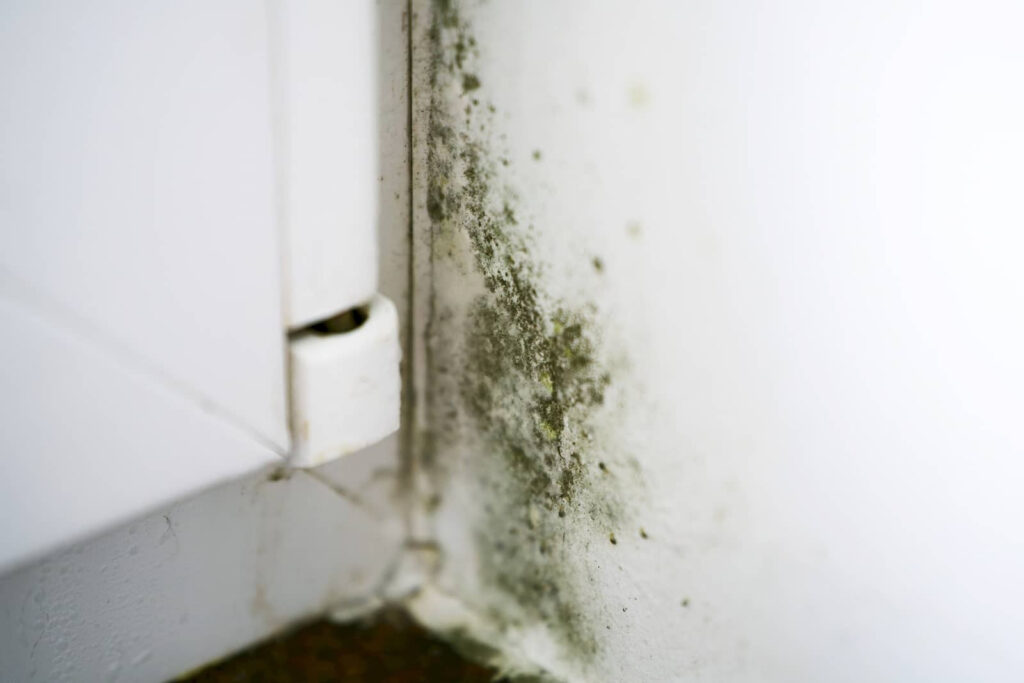
A flood can turn a room into a mold factory overnight if you don’t act fast. You need to stop the water source, remove standing water, and dry the area within 48 hours. Clean and disinfect hard surfaces, inspect hidden spaces, and discard wet porous materials before spores spread. If moisture lingers or damage is extensive, you may need professional cleanup—but one step is often missed. These seven flood cleanup tips will help you stop mold before it takes hold.
Key Takeaways: Flood Cleanup Tips
- Shut off the water source and electricity immediately to prevent further damage and safety hazards.
- Remove standing water and debris quickly, then dry flooded areas within 48 hours.
- Clean hard surfaces with soap and water, then disinfect them with approved solutions.
- Inspect hidden spaces for trapped moisture, swelling, staining, and musty odors that signal mold.
- Call trained professionals early to reduce damage, prevent mold, and restore a safe environment.
Stop the Water Source Quickly
Your first priority is to stop the water source as soon as it’s safe to do so. Shut off the main valve, power down affected systems if needed, and isolate the leak without taking unnecessary risks.
Your quick action limits further intrusion and helps protect your home’s structure and materials. If you can’t reach the water source safely, contact your utility provider, plumber, or emergency response team right away.
Stay aware of electrical hazards, unstable surfaces, and contaminated water. Keep your team informed so everyone works from the same safety plan.
When you act fast and methodically, you reduce damage and create better conditions for the rest of cleanup. That’s how you protect your space and support your household’s recovery.
Remove Standing Water and Debris
Pump out standing water as soon as it’s safe, using equipment rated for the volume and depth.
Remove mud, silt, and loose debris with shovels, brooms, and wet vacuums to reduce slip hazards and contamination.
Work from the highest area to the lowest so you don’t trap water or spread debris back into cleaned spaces.
Pump Out Water Fast
Stand clear of the water and start removal as soon as it’s safe, because standing floodwater can weaken materials, spread contamination, and increase electrical hazards.
You should shut off power if you can do so without entering water, then use water extraction methods that match the depth and volume. For shallow water, wet vacuums help; for deeper pools, sump pumps or utility pumps provide effective pumping techniques.
Position discharge hoses away from the structure so runoff doesn’t flow back inside. Work in short passes and monitor pump intake to avoid clogging.
Wear gloves, boots, and eye protection, and keep everyone else out of the area. Fast removal lowers moisture levels, protects your home, and helps your cleanup crew move forward together.
Clear Mud And Debris
Once the standing water is out, start clearing mud and debris before it dries and hardens. Wear gloves, boots, and a respirator, then work from the cleanest area toward the exit so you don’t spread contamination.
Use plastic shovels and buckets for mud removal, and keep pathways open for safe movement. Dispose of soaked drywall, insulation, food, and porous items promptly.
- Scrape thick deposits into heavy-duty bags.
- Rinse hard surfaces with clean water after mud removal.
- Separate salvageable items from waste to speed debris disposal.
- Move filled bags outside immediately to reduce slip and mold risk.
You’re part of the team when you clean methodically, stay protected, and keep air flowing.
Dry Flooded Areas Within 48 Hours
Start drying flooded areas as soon as it’s safe, because moisture left in place for more than 48 hours can quickly lead to mold growth, material damage, and unsafe indoor air conditions.
You should open windows, run fans, and use dehumidifiers to speed evaporation and restore moisture control. Remove wet rugs, pads, and other porous items if you can do so safely.
Lift furniture to improve airflow and protect hidden surfaces. Check wall cavities, baseboards, and subfloors for trapped water. Measure humidity and keep it below 60% if possible.
Work methodically so you and your household stay protected, and document conditions for flood prevention planning later.
If electrical systems were submerged, stay away until a qualified professional confirms they’re safe.
Clean and Disinfect Hard Surfaces
After floodwater recedes, clean hard surfaces with soap and water first, then disinfect them with a bleach solution or another EPA-registered disinfectant approved for the surface. You’ll protect your space when you follow strict surface preparation and choose disinfecting agents that match the material.
Wear gloves, eye protection, and closed shoes.
Scrub visible soil off counters, tile, and metal with detergent.
Mix and apply disinfectant exactly per label directions; keep surfaces wet for the required contact time.
Rinse food-contact areas, then air-dry completely before reuse.
Use fresh cleaning cloths, and replace them when they’re dirty. If a product isn’t approved for a surface, skip it.
Stay consistent, and you’ll reduce mold risk while helping your home feel safe again.
Check Hidden Spaces for Mold
Check attics and crawl spaces first, since trapped moisture there can let mold grow out of sight.
Inspect behind walls and cabinets for swelling, staining, or a musty odor, and remove any damp materials you find.
If you can’t verify that a hidden space is dry, treat it as a mold risk and dry it out immediately.
Attics and Crawl Spaces
Even if the visible damage seems minor, you should inspect attics and crawl spaces for hidden moisture and mold after a flood. Bring a respirator, gloves, and a flashlight, and move cautiously on stable framing.
Check for damp insulation, staining, musty odors, and warped wood. Confirm attic ventilation isn’t blocked, because trapped humidity accelerates growth.
In crawl spaces, evaluate crawl space insulation for saturation, sagging, or microbial spotting.
Use this 4-step check:
- Measure humidity and note readings above 60%.
- Look for active leaks or condensation.
- Remove wet materials promptly and bag them.
- Dry the space with fans and dehumidifiers.
You’re protecting your home and your team when you verify conditions, document findings, and stay alert to any spreading contamination.
Behind Walls and Cabinets
When floodwater has reached walls or cabinetry, you should open access points and inspect behind them for trapped moisture, hidden mold, and damaged materials before restoration begins.
Remove baseboards, drill small inspection holes, and use a moisture meter to verify dry conditions in wall insulation and framing. If you detect hidden moisture, isolate the area, wear gloves, eye protection, and an N95 respirator, and document what you find.
Pull out wet drywall, particleboard, and saturated insulation promptly, since these materials can hold contamination. You’ll protect your home and your crew when you dry cavities with directed airflow and dehumidification.
Recheck adjacent cabinets, plumbing chases, and toe kicks until readings stabilize. Working methodically helps your team stay safe, confident, and ready for rebuild.
Throw Out Wet Porous Materials
Toss out any porous materials that stayed wet after the flood, because they can trap contaminants and grow mold quickly. You need to remove wet materials like carpet pad, insulation, drywall, ceiling tiles, and upholstered items that can’t be fully dried.
Use disposal methods that keep debris sealed and separate from salvageable items, so you protect your space and your crew.
- Wear gloves, boots, and an N95 respirator.
- Cut damaged sections into manageable pieces.
- Bag waste in heavy-duty plastic and seal it tightly.
- Move bags outside promptly to your approved pickup area.
When you act fast, you help your home recover safely and support everyone working beside you.
When to Call Mold Cleanup Help
Call mold cleanup help if you find visible growth covering a large area, hidden mold behind walls or under flooring, or a strong musty odor that returns after drying.
You shouldn’t disturb contaminated materials without protection, because spores can spread fast. Use mold detection tools only for basic screening; they can’t confirm the full extent of damage.
A professional assessment gives you a safer plan, especially when water reached insulation, HVAC ducts, or structural framing.
If you have asthma, allergies, or immune concerns, leave the area and get expert help right away.
When you call trained technicians, you protect your home and the people who belong there. Acting early reduces repairs, limits exposure, and helps you return to a clean, stable space sooner.
Frequently Asked Questions
Can Floodwater Contaminate My Home’s Electrical System?
Yes—floodwater can contaminate your home’s electrical system, creating electrical hazards. You should shut off power if safe, avoid touching wet equipment, and schedule a qualified wiring inspection before you re-energize anything.
How Do I Protect Valuables During Flood Cleanup?
You should move valuables to a dry, elevated area, then prioritize protecting documents in sealed waterproof bags and preserving electronics by powering them off, drying them quickly, and storing them with desiccants for safe recovery.
Should I Test Indoor Air After a Flood?
Yes, you should test indoor air after a flood if odors, visible mold, or symptoms persist. Indoor air quality can deteriorate fast, so use mold testing to guide safe cleanup and help you protect your home.
What Insurance Documents Should I Gather After Flooding?
Gather your flood insurance policy, photos, videos, repair estimates, receipts, and a damage assessment from a licensed inspector. You’ll also want claim forms, correspondence, and proof of ownership so you can document losses clearly.
Can Pets Be Exposed to Mold After a Flood?
Yes—pets can breathe mold spores after floods; indoor spore counts can jump 10x. You’ll protect pet safety by removing damp materials, ventilating rooms, and limiting mold exposure until cleanup’s complete.
Recap
By acting fast, you give moisture no room to settle in and quietly invite mold. Stop the water, clear debris, dry spaces within 48 hours, and disinfect hard surfaces. Check hidden areas, and part with any wet porous materials before they become a bigger concern. If the damage feels beyond your tools or safety limits, bring in mold cleanup help. Your prompt response can protect your home and keep it comfortably habitable. Use these flood cleanup tips right away to keep your home dry, safe, and mold-free.