
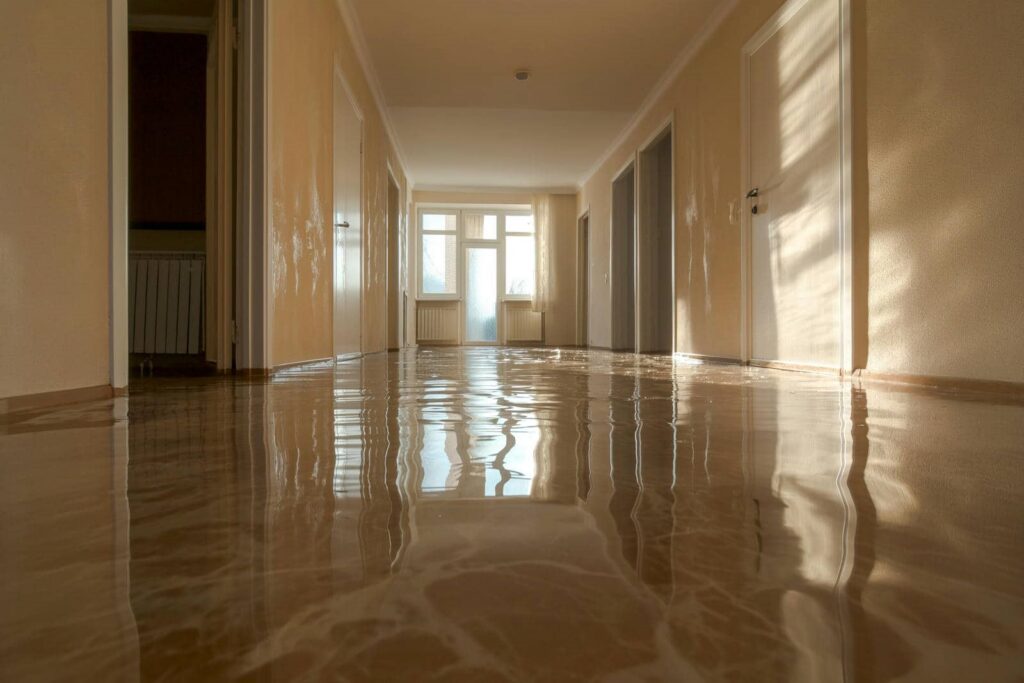
When you face flood damage, understanding the damage claims process is vital for recovery. You’ll need to gather evidence, review your insurance policy, and prepare estimates. Each step can considerably impact your claim’s success. However, many overlook key details that could lead to delays or denials. Knowing how to navigate these complexities will enhance your chances. Let’s explore the essential steps to ensure you’re adequately prepared.
Key Takeaways
Document all flood damage with clear photographs and detailed lists of affected items to support your claim.
Review your insurance policy to understand coverage details and any exclusions that may apply.
Submit your claim promptly to your insurance company to avoid potential denial due to missed deadlines.
Gather essential evidence, including receipts and witness statements, to strengthen your claim submission.
Regularly check your claim status through the insurer’s online portal or customer service for updates.
Flood Damage Insurance Policies Explained
Flood damage insurance policies are essential for homeowners in high-risk areas, as they provide financial protection against the costly consequences of flooding. Understanding your flood coverage options is vital.
Standard policies often include coverage for the structure and personal belongings, but they may vary considerably. It’s important to review the specifics of what’s covered and what’s not. Policy exclusions can catch you off guard; for instance, damage from sewer backups or mold mightn’t be included.
Being aware of these exclusions helps you make informed decisions. Additionally, consider supplementary coverage if your area is particularly vulnerable.
This thorough understanding can empower you to safeguard your home and mitigate potential financial losses from flood-related incidents.
Assessing the Impact of Flood Damage on Your Home
When evaluating flood damage, start by identifying the areas of your home that have been affected.
Documenting this damage thoroughly is essential for your insurance claim, as it provides clear evidence of the impact.
Additionally, assessing the structural integrity of your home will help determine if it’s safe to inhabit or requires immediate repairs.
Identify Affected Areas
Evaluating the impact of flood damage on your home requires a systematic approach to identify affected areas. Start by surveying both the interior and exterior, focusing on flood-prone areas where water typically accumulates.
Inspect walls, floors, and even electrical systems for signs of damage. Don’t overlook the basement or crawl spaces, which are often the most vulnerable.
Document any visible harm, as this information will be essential for your insurance coverage. If you notice structural issues, such as sagging ceilings or warped beams, prioritize these areas in your assessment.
Understanding the extent of the damage helps you file a claim effectively and ensures you’re addressing safety concerns for your household as you navigate recovery.
Document Damage Thoroughly
After a flood, documenting damage thoroughly is vital for a successful insurance claim. Start by taking clear photographs of all affected areas, including walls, floors, and belongings. This visual evidence supports your narrative and helps illustrate the extent of the damage.
Make a detailed list of damaged items, noting their value and replacement costs, which is essential for your insurance coverage. Confirm you record any repairs made immediately, as this may impact claim timelines.
Gather any receipts or estimates related to the damage, as these documents bolster your case. Remember, a thorough documentation process strengthens your claim and fosters a sense of community among those facing similar challenges in recovery.
Assess Structural Integrity
Once you’ve documented the damage, the next step involves evaluating the structural integrity of your home. This assessment is vital for ensuring your safety and determining necessary repairs.
Here are key aspects to focus on during your structural inspections:
Foundation: Check for cracks or shifts that could indicate a compromised base.
Walls: Look for bulging or water stains that signal potential weaknesses.
Roof: Inspect for sagging or missing shingles that may lead to further leaks.
Utilities: Confirm electrical and plumbing systems are intact, as they can pose safety hazards.
Conducting thorough safety evaluations helps you understand the extent of the damage and guides your next steps in filing a flood damage claim effectively.
Flood Damage Documentation Tips
When filing a flood damage claim, it’s important to gather essential evidence that supports your case.
Documenting damages thoroughly will provide a clear picture of the impact, while including repair estimates helps substantiate your financial needs.
These steps are essential for a successful claim process.
Gather Essential Evidence
To successfully file a flood damage claim, you need to gather essential evidence that clearly illustrates the extent of the damage.
Proper evidence collection is vital for effective claim documentation. Here are some key items to focus on:
Photographs: Capture clear images of all affected areas and items.
Receipts: Keep receipts for any repairs or replacement items to support your claim.
Witness Statements: Collect statements from neighbors or others who observed the damage.
Insurance Policy: Review your policy to understand coverage and necessary documentation.
Document Damages Thoroughly
Thoroughly documenting damages is essential for a successful flood damage claim, as accurate records can greatly influence the outcome.
Start by taking extensive photographic evidence of affected areas and damaged belongings. Confirm that your photos capture different angles and details, as this will provide a clearer picture of the extent of the damage.
Next, create a detailed inventory of all items affected by the flood, noting their condition and estimated value. This list should include both personal belongings and structural damage.
Keep receipts and any relevant documentation together, as they’ll support your claim.
Include Repair Estimates
Including repair estimates is crucial for substantiating your flood damage claim, as these detailed assessments provide the insurance company with a clear understanding of necessary restoration work.
Accurate repair estimates support your claim and simplify cost calculations. Here are some tips to take into account:
Get Multiple Quotes: Seek at least three estimates from reputable contractors to ensure competitiveness.
Itemize Repairs: Break down the costs for each repair, detailing labor and materials.
Include Photos: Attach images of damaged areas to justify your estimates.
Document Everything: Keep records of all correspondence and estimates, as this strengthens your case.
Reporting Flood Damage: A Step-By-Step Guide
When you experience flood damage, knowing how to report it efficiently can make a significant difference in the claims process. Start by documenting the damage with clear photos and detailed notes. This visual evidence supports your case and aids in evaluating the extent of the loss.
Next, contact your insurance company as soon as possible; timely reporting is essential. Use insurance claim tips like providing your policy number and a summary of the damage. Be honest about your situation and inquire about flood damage prevention measures that could help mitigate future risks.
Following these steps streamlines your claim while fostering a sense of community and support among fellow policyholders navigating similar challenges.
What to Include in Your Flood Damage Claim
After you’ve reported the flood damage, it’s time to prepare your claim. Accurate documentation is essential for a successful claim submission with your flood insurance provider. Here’s what to include:
Detailed Inventory: List all damaged items, including descriptions and values.
Photographic Evidence: Take clear photos of the damage to support your claim.
Repair Estimates: Gather quotes from contractors for necessary repairs to demonstrate the extent of the damage.
Proof of Ownership: Provide receipts or other documentation that shows you own the items claimed.
Common Mistakes to Avoid in Flood Damage Claims
Submitting a flood damage claim can be intimidating, especially if you’re unaware of common pitfalls that could jeopardize your reimbursement. One major mistake is missing claim deadlines; be certain to submit your claim promptly to avoid denial.
Another critical error is failing to review your policy for exclusions. Many homeowners overlook specific terms that could leave them underinsured.
Additionally, not documenting damage thoroughly can weaken your case. Take photos and keep all receipts related to repairs and temporary housing.
Finally, avoid communicating with your insurance company without a clear understanding of your policy. Educating yourself on these aspects can greatly enhance your chances of a successful claim and ensure you receive the compensation you deserve.
Understanding the Claims Process After Submission
Understanding the claims process is essential once you’ve submitted your flood damage claim, as it helps you navigate the complexities that follow.
Here’s what you can expect in the claims timeline:
Initial Review: Your claim will be assessed for completeness and accuracy.
Adjuster Visit: An adjuster may visit to evaluate the damage firsthand.
Documentation Request: Be prepared to provide additional information or documents.
Final Decision: You’ll receive a decision regarding your claim, including any payouts.
To facilitate smooth communication, keep these tips in mind: stay organized, respond promptly to requests, document all interactions, and maintain a professional tone.
This proactive approach will help you feel more in control during a challenging time.
How to Check Your Flood Damage Claim Status?
How can you effectively check the status of your flood damage claim? Start by logging into your insurer’s online portal, where claim tracking is often available. This tool provides real-time updates, letting you see where your claim stands.
If you prefer a more personal touch, don’t hesitate to reach out to customer service. Be prepared with your claim number and relevant details to expedite the process. They can provide specific insights into any outstanding requirements or next steps.
Additionally, regularly reviewing your email for updates from your insurer can keep you informed. Staying proactive in checking your claim status fosters a sense of belonging in a community traversing similar challenges, ensuring you’re never left in the dark.
Frequently Asked Questions
How Long Do I Have to File a Flood Damage Claim?
You typically have 60 days to start the claim process after a flood. Adhering to this filing timeline is essential for ensuring you receive assistance and support to recover from the damages effectively.
Can I Claim for Temporary Housing Expenses?
Yes, you can claim temporary housing expenses as part of flood assistance. Make certain you document all costs and keep receipts, as this information is essential for a successful claim submission to your insurance provider.
Will My Insurance Cover Specific Flood-Related Repairs?
“Don’t put all your eggs in one basket.” Your flood insurance coverage usually includes specific repairs, but you’ll need a thorough repair cost evaluation to ensure you’re fully covered. Check your policy for details.
What Happens if My Claim Is Denied?
If your claim’s denied, you can initiate the claim appeal process. Understand the reasons for denial, gather necessary documentation, and present a strong case to support your appeal. Persistence often leads to better outcomes.
Are There Deadlines for Submitting Documentation?
Yes, there are deadlines for claim submission. You must meet specific documentation requirements, typically within 60 days of the event. Missing these deadlines can jeopardize your claim, so stay organized and submit everything promptly.
Conclusion
Filing a flood damage claim can be a complex process, but understanding the steps involved is essential for success. This highlights the importance of being prepared. By gathering proper documentation, knowing your policy, and avoiding common pitfalls, you can navigate the claims process more effectively. Stay proactive and informed to ensure you receive the compensation you deserve after such a devastating event.