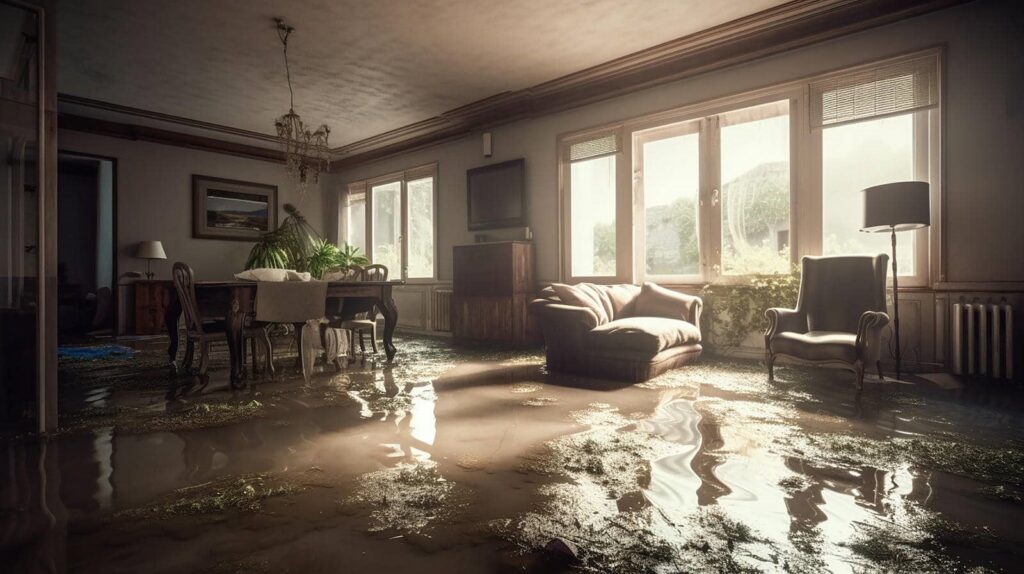
Water damage can feel like a catastrophic event, but swift action can make all the difference. You need to understand the right restoration methods to protect your home effectively. From immediate water extraction to thorough drying techniques, each step is vital. Knowing when to take matters into your own hands and when to call in the professionals can save you time and money. Let’s explore the essential methods for restoring your home after water damage.
Key Takeaways
- Immediate Water Source Shutdown: Shut off the water supply to prevent further damage before starting restoration efforts.
- Effective Water Extraction: Use high-powered pumps or wet/dry vacuums to remove standing water quickly and efficiently.
- Comprehensive Drying Techniques: Employ industrial fans and dehumidifiers to ensure thorough drying and prevent mold growth in affected areas.
- Thorough Cleaning and Remediation: Clean surfaces with soap and water, and apply anti-fungal solutions to eliminate contaminants and mold risks.
- Professional Assessment and Help: Call professionals for persistent issues, advanced moisture detection, or when extensive damage is evident to ensure safe restoration.
How to Identify Types of Water Damage in Your Home
How can you tell if your home has suffered water damage? Start by checking for visible signs like discoloration or stains on walls and ceilings. These often indicate leaks or moisture buildup.
Pay attention to musty odors; they frequently signal mold growth lurking in hidden areas. Inspect your insulation, too—if it feels damp or is sagging, it may have suffered damage and needs replacement.
Additionally, look for warped or buckled flooring, which can denote prolonged exposure to moisture. Don’t overlook your basement or crawl spaces; they’re common areas for water intrusion.
Immediate Steps for Water Damage Response
When faced with water damage, acting quickly can make all the difference. Start with an emergency response by shutting off the water source, if possible. This step prevents further damage and sets the stage for a controlled recovery.
Next, conduct an initial assessment to identify the extent of the damage. Check for water-logged areas, structural integrity, and any potential hazards like electrical issues. Document everything with photos for insurance claims.
Once you’ve gathered this information, prioritize safety and evacuate if conditions worsen. Remember, the sooner you respond, the better your chances of minimizing damage.
You’re not alone in this; seeking professional help can also streamline the restoration process and ensure your home returns to normal.
Effective Techniques for Water Extraction and Drying After Water Damage
After securing the area and evaluating the damage, effective water extraction and drying techniques become paramount.
Start with water extraction using a high-powered pump or wet/dry vacuum to remove standing water. Confirm you target both visible and hidden pockets of water, especially in carpets and underflooring.
Once the bulk of the water is gone, employ industrial fans and dehumidifiers to facilitate proper drying. Position fans strategically for ideal airflow, and monitor humidity levels to prevent mold growth.
Check all affected areas regularly, confirming everything is drying evenly.
Using these water extraction and drying techniques minimizes damage and protects your home’s structural integrity, fostering a safe environment for you and your family.
Key Cleaning Techniques for Water-Damaged Areas
While evaluating the extent of water damage, it’s vital to implement key cleaning techniques to restore affected areas effectively.
Start with thorough surface cleaning to remove contaminants and prevent further deterioration. Use a mixture of soap and water for initial cleanup, making sure you scrub all affected surfaces.
After cleaning, focus on mold remediation by applying specialized anti-fungal solutions to areas prone to mold growth. This step is significant, as mold can develop within 24-48 hours in damp conditions.
Don’t forget to ventilate the area properly to promote drying and further reduce mold risks. Regularly inspect these areas to ensure they remain mold-free, fostering a safe and healthy home environment for you and your loved ones.
When Should You Call in the Pros for Water Damage?
If you notice visible water accumulation in your home, it’s essential to act quickly.
Persistent musty odors can indicate hidden moisture issues that you can’t address effectively on your own.
In these scenarios, calling in the professionals ensures a thorough assessment and proper remediation.
Visible Water Accumulation
Visible water accumulation can signal a serious issue within your home, and knowing when to call in professionals is vital.
If you notice pooling water, it’s important to identify the underlying water sources—whether from a leaky roof, broken pipes, or flooding.
Don’t wait too long; persistent moisture can lead to structural damage and mold growth.
Professionals use advanced moisture detection tools to accurately assess the extent of the damage. They can effectively manage the extraction and drying process, ensuring that your home is restored safely.
If you see water accumulation and can’t pinpoint the source, don’t hesitate to reach out for help. Protecting your home and health should always be your top priority.
Persistent Musty Odors
When you notice persistent musty odors in your home, it often indicates hidden moisture problems that require immediate attention.
Musty smell causes typically include mold growth, damp basements, or water leaks that aren’t visible. If you can’t pinpoint the source or eliminate the odor with basic cleaning, it’s time to call in the pros.
They’ll utilize specialized equipment and odor elimination techniques, including thermal imaging and air scrubbers, to identify and address the underlying issues effectively.
Ignoring these smells can lead to more serious structural damage and health risks. Don’t hesitate to seek professional help; your home’s safety and comfort depend on it.
Taking action now can save you time and money down the line.
Preventing Future Water Damage Issues
To prevent future water damage, you need to conduct regular maintenance checks on plumbing and roofing systems.
Additionally, installing proper drainage systems can redirect water away from your home’s foundation.
Regular Maintenance Checks
While neglecting regular maintenance checks can lead to significant water damage, proactive inspections of your home’s plumbing and roofing systems can prevent costly repairs.
Schedule routine plumbing inspections to identify leaks or corrosion before they escalate. Regular appliance checks, especially for washing machines and water heaters, ensure they’re functioning correctly and aren’t prone to failure.
Pay attention to visible signs of wear, such as cracks or discoloration in ceilings and walls, which could indicate hidden leaks.
Install Proper Drainage Systems
Proper drainage systems are essential for safeguarding your home against future water damage issues. A well-thought-out drainage design directs water flow away from your foundation, preventing pooling and potential leaks.
Start by evaluating your property’s topography; this will guide you in determining the best placement for drains and gutters. Install downspouts that channel rainwater away from your home, and make sure they’re maintained regularly to avoid blockages.
Consider adding French drains in areas prone to flooding. Additionally, grading your yard can enhance water flow away from your home.
Frequently Asked Questions
How Long Does Water Damage Restoration Typically Take?
Water damage restoration typically takes 3 to 7 days, depending on the severity. Effective drying techniques and thorough assessments help streamline the restoration timeline, ensuring you return to your space as quickly as possible.
Will Insurance Cover Water Damage Restoration Costs?
Yes, most insurance policies cover water damage restoration costs, but check your coverage limits. Understanding your policy can be like maneuvering through a maze; knowing the details helps you avoid unexpected financial pitfalls during recovery.
Can I Handle Water Damage Restoration Myself?
Yes, you can handle water damage restoration yourself. Use DIY tips and essential restoration tools like dehumidifiers and moisture meters. Just make sure you assess the damage thoroughly and prioritize safety throughout the process.
What Are Common Signs of Mold After Water Damage?
Mold manifests in musty smells, mottled surfaces, and moisture marks. For effective mold identification techniques, monitor indoor humidity control. Stay vigilant; spotting signs early helps protect your home and health from hidden hazards.
How Can I Prevent Mold Growth Post-Restoration?
To prevent mold growth post-restoration, focus on moisture control. Keep humidity below 60%, use dehumidifiers, ensure proper ventilation, and promptly repair leaks. Regularly inspect for water accumulation to enhance mold prevention in your home.
Review
In the aftermath of water damage, acting swiftly is your lifeline. By implementing effective restoration techniques and maintaining vigilance, you can safeguard your home against future issues. Think of your property as a ship; ensuring it’s watertight protects it from storms and keeps your environment healthy. If the damage feels overwhelming, don’t hesitate to call in the pros. They’re your navigators in turbulent waters, guiding you back to safety and stability.