When faced with a sewage backup, you need to act quickly to minimize damage and health risks. Start by shutting off the water supply and avoiding contaminated areas. Equip yourself with protective gear like gloves and masks before attempting any cleanup. Understanding the proper techniques and tools can make a significant difference. But knowing when to seek professional help is equally essential, especially when hidden dangers lurk beneath the surface.
Key Takeaways
- Immediately shut off the water supply to prevent further flooding and assess damage safely.
- Use a wet/dry vacuum to effectively remove water and contaminants from affected areas.
- Disinfect surfaces with a bleach and water solution to eliminate harmful pathogens.
- Wear protective gear, including gloves and masks, to safeguard against contaminants during cleanup.
- Contact a professional restoration service for expert assessment and thorough remediation of sewage issues.
What Every Homeowner Should Know About Sewage Backups
Sewage backups can happen unexpectedly, and knowing how to respond is essential for every homeowner. To ensure sewage prevention, you should regularly inspect your plumbing and understand what can clog your system.
Tree roots, grease buildup, and foreign objects can all lead to costly backups. Maintain homeowner awareness by scheduling routine inspections with a licensed plumber, and consider using enzyme-based cleaners to help break down waste material.
Additionally, be mindful of what you flush or wash down the drain; even seemingly harmless items can cause issues. Educating yourself and your family about proper disposal methods will greatly reduce the risk of backups.
Taking these proactive steps helps safeguard your home and creates a sense of community responsibility among fellow homeowners.
Recognizing Signs of a Sewage Backup Emergency
Recognizing the early warning signs of a sewage backup can save you from extensive damage and costly repairs. Pay close attention to the following indicators:
Sewage odors: A strong, unpleasant smell in your home can signal a possible backup.
Slow drains: If water drains slowly from sinks or bathtubs, you might be facing plumbing issues that could escalate.
Gurgling sounds: Unusual noises from your toilet or drains often indicate air trapped in the plumbing system, suggesting a blockage.
Immediate Actions to Take During a Sewage Backup
When you notice signs of a sewage backup, acting quickly is essential to minimize damage and health risks.
Start your emergency response by shutting off your home’s water supply to prevent further flooding. Next, assess the damage—determine the areas affected and whether any electrical systems are compromised.
Avoid walking through contaminated water, as this poses health risks. If possible, collect any valuables and important documents from the affected area.
Once you’ve taken these initial steps, contact a professional cleanup service specialized in sewage backup. They’ll provide the expertise needed for thorough restoration and sanitation.
Safety Tips for Sewage Cleanup
When tackling sewage cleanup, always wear protective gear like gloves, masks, and boots to shield yourself from harmful bacteria and pathogens.
Ensure proper ventilation in the area to minimize inhalation of toxic fumes and promote air circulation.
Taking these precautions is essential for your safety and health during the cleanup process.
Wear Protective Gear
Before you plunge into sewage cleanup, make sure you’re equipped with the right protective gear. Proper sanitary equipment is vital to minimize health risks associated with sewage exposure.
You don’t want to compromise your safety while tackling this unpleasant task.
Here are three essential items you’ll need:
Heavy-duty gloves: These protect your hands from contaminants and sharp objects.
Rubber boots: Waterproof boots will keep your feet dry and shield them from harmful substances.
Face mask or respirator: A mask will guard against inhaling harmful bacteria and odors.
Ensure Proper Ventilation
To effectively manage the hazards of sewage cleanup, ensuring proper ventilation in the affected area is essential. Start by opening windows and doors to promote airflow, and use fans to circulate air.
If possible, position exhaust fans near the sewage source to direct contaminated air outside. These ventilation methods help reduce harmful odors and improve overall air quality, making the environment safer for you and others.
Additionally, consider using air purifiers with HEPA filters to capture lingering particles. Always monitor air quality, especially if you’re sensitive to pollutants.
Steps to Effectively Contain a Sewage Backup
To effectively contain a sewage backup, you need to act quickly.
Start by identifying the source to prevent further spread, and make sure you’re wearing protective gear to safeguard against contaminants.
Finally, contain the area with barriers to limit exposure and facilitate cleanup.
Identify The Source Quickly
Identifying the source of a sewage backup quickly is essential for effective containment and minimizing damage. You need to act fast to prevent further issues.
Begin with thorough backup detection techniques to pinpoint the sewage sources.
- Check all toilets and drains for signs of overflow.
- Inspect your property’s sewer line and look for blockages or breaks.
- Look for unusual water pooling or odors in your basement or yard.
Once you identify the source, you can take the necessary steps to contain the situation.
Remember, early detection can save you time, money, and stress, fostering a safer home environment for you and your family.
Don’t hesitate to reach out to professionals if the situation escalates.
Use Protective Gear
Protective gear is essential when dealing with a sewage backup to ensure your safety and prevent exposure to harmful pathogens.
Start with proper gloves selection; choose heavy-duty, waterproof gloves made from nitrile or latex for maximum protection. Avoid thin or disposable options, as they may tear easily.
Next, consider mask types that filter out airborne contaminants. N95 respirators are ideal, as they effectively block small particles. If you’re working in particularly hazardous conditions, a full-face respirator may be warranted.
Don’t forget to wear waterproof boots and coveralls to shield your skin. This gear safeguards you and fosters a sense of community responsibility for your household and loved ones.
Prioritize your health and well-being during this challenging task.
Contain The Area
Once you’ve equipped yourself with the necessary protective gear, it’s vital to contain the area affected by the sewage backup.
Effective sewage containment is essential to prevent further spread and ensure safety. Here’s how to achieve proper area isolation:
Seal off the affected space: Use plastic sheeting to cover doorways and vents, limiting airflow and contamination.
Block access points: Place barriers or signage to keep people away from the contaminated area.
Turn off HVAC systems: This prevents sewage particles from circulating through your home’s ventilation.
Sewage Backup Cleaning Techniques
When dealing with a sewage backup, swift and effective cleaning techniques are essential to mitigate health risks and property damage.
Start by using proper sewage removal techniques, such as a wet/dry vacuum to extract water and contaminants. Confirm you wear protective gear—gloves, masks, and boots—throughout the process.
Next, utilize cleanup equipment options like high-capacity fans and dehumidifiers to dry the area and reduce moisture levels. Disinfect surfaces with a solution of bleach and water to eliminate pathogens.
Don’t forget to dispose of any contaminated materials responsibly.
Finally, monitor the area for lingering odors or moisture, as these can indicate hidden issues. By following these steps, you’ll create a safer environment for you and your family.
When to Call Professional Sewage Cleanup Services
While handling a sewage backup may seem manageable at first, there are critical moments when calling professional sewage cleanup services becomes essential. Ignoring these cues can lead to severe health risks and complications.
Here are key indicators that you need emergency response:
Extensive contamination: If the sewage has spread beyond a small area, you’re facing a larger cleanup than you can handle.
Persistent odors: Foul smells often signal hazardous bacteria and pathogens that require specialized treatment.
Structural damage: If you notice damage to walls, floors, or foundations, professionals can assess and remediate it effectively.
Don’t underestimate the importance of professional expertise in these situations. Protect your home and health by seeking help when you need it most.
Preventative Measures to Avoid Sewage Backups
To prevent sewage backups, it’s essential to regularly maintain your plumbing system and be mindful of what you flush.
Start with routine drain maintenance; clear out debris and grease that can build up over time. Avoid flushing non-biodegradable items, as they can cause significant blockages.
Schedule periodic plumbing inspections to identify potential issues early, like tree root intrusions or corroded pipes. Make certain your sewer lines are clear and functioning properly, as even small obstructions can lead to larger problems.
Additionally, consider installing backflow valves to protect against sewage overflow.
DIY Tools for Sewage Cleanup
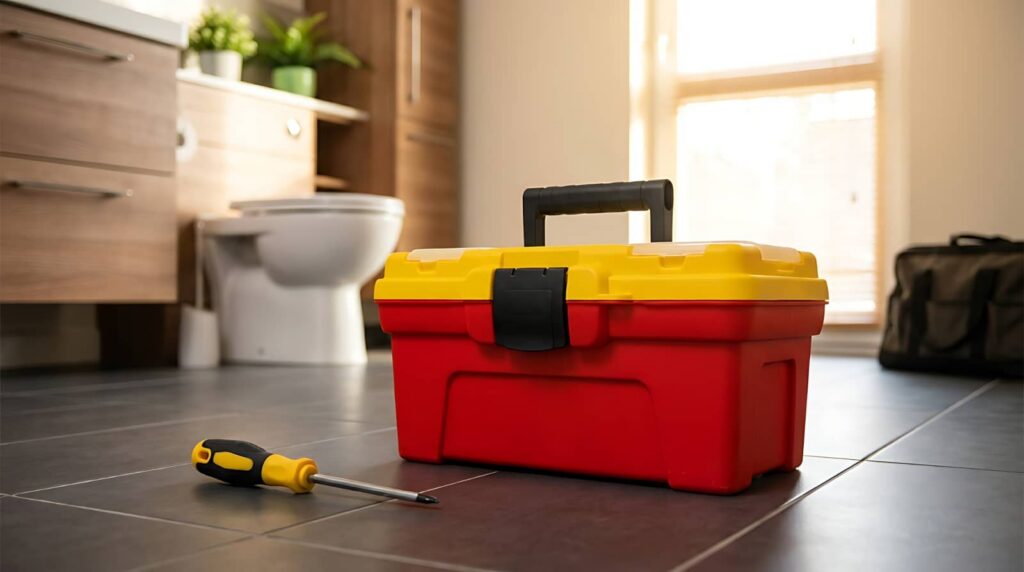
Having the right DIY tools for sewage cleanup can make a significant difference in effectively handling a plumbing disaster.
When you’re faced with a sewage backup, quick action is essential. Equip yourself with these essential plumbing tools and cleanup supplies to tackle the mess efficiently:
Rubber Gloves: Protect your hands from contaminants while cleaning.
Wet/Dry Vacuum: Safely remove standing water and debris, preventing further damage.
Disinfectants: Use strong cleaning agents to sanitize affected areas and eliminate harmful bacteria.
Frequently Asked Questions
How Much Does Professional Sewage Cleanup Typically Cost?
Professional sewage cleanup typically costs between $1,000 and $5,000, depending on severity. Incorporating sewage prevention strategies and using DIY cleanup tips can greatly reduce future expenses and enhance your home’s safety and comfort.
Can Sewage Backups Affect Home Insurance Claims?
Yes, sewage backups can affect your home insurance claims. Check your policy exclusions, document damage, and follow mitigation measures. Understanding insurance coverage and homeowner responsibilities helps streamline the claim process and ensures you’re adequately protected.
What Health Risks Are Associated With Sewage Exposure?
Sewage exposure can lead to serious health effects, including infections and gastrointestinal issues. You must prioritize sanitation measures, like thorough cleaning and protective gear, to minimize risks and ensure your home remains a safe environment.
How Long Does It Take for Sewage Cleanup?
When it rains, it pours; sewage backup duration can vary. Typically, the cleanup process timeline spans several hours to days, depending on the extent of the damage and the resources you have on hand.
What Materials Should I Discard After a Sewage Backup?
You should discard porous materials like carpets, drywall, and upholstery immediately. For safety, wear protective gear, and ensure thorough mold remediation to prevent health risks. Salvage non-porous items only after proper cleaning and sanitization.
Recap
In the face of a sewage backup, act swiftly to protect your home and health. Equip yourself with essential tools and follow proper cleanup techniques to restore your space. Remember, this isn’t just a mess; it’s a battle against unseen threats, much like knights defending their castle. If the situation feels overwhelming, don’t hesitate to call in professionals. By taking these steps, you can safeguard your home and ensure a safe environment for your family.