Sewage backups can pose significant risks to your home and health. By understanding the common causes and identifying warning signs early, you can take proactive steps to protect your plumbing system. Implementing best practices for waste disposal and ensuring proper drainage are essential strategies. But there’s more to contemplate. Let’s explore effective methods to safeguard your home from these costly issues.
Key Takeaways
Regularly inspect and clean plumbing to prevent clogs and buildup, ensuring optimal flow and reducing backup risks.
Dispose of grease and non-biodegradable waste properly to protect pipes and minimize blockages.
Maintain sump pumps and backwater valves to manage excess water and prevent sewage from backing up into your home.
Monitor warning signs like slow drains and unpleasant odors to address potential sewage issues early.
Prepare for seasonal changes by insulating pipes and clearing gutters to ensure proper drainage and reduce backup risks.
Understanding Sewage Backup: Causes and Risks
Understanding sewage backup is essential, as it can lead to significant health risks and property damage. Common causes include clogged pipes, often due to debris or tree roots infiltrating the lines.
Aging infrastructure can exacerbate these issues, particularly during heavy rains, when ground saturation overwhelms systems. Improper installations of plumbing materials can also create vulnerabilities, allowing sewage to back up into your home.
Staying informed about sewage regulations helps ensure compliance and reduces risks. By recognizing these factors, you can take proactive measures to prevent backups, safeguarding both your health and property.
Regular maintenance, timely repairs, and awareness of environmental conditions are key to minimizing these risks and fostering a safe living environment for you and your family.
How to Identify Warning Signs of a Backup
Recognizing the warning signs of a sewage backup can save you from extensive damage and health hazards. Keep an eye out for backup indicators such as slow drains, gurgling sounds, or unpleasant odors emanating from your sinks and toilets.
If multiple fixtures are affected, that’s a significant warning sign. You might also notice water pooling in unusual areas, particularly in your basement or yard.
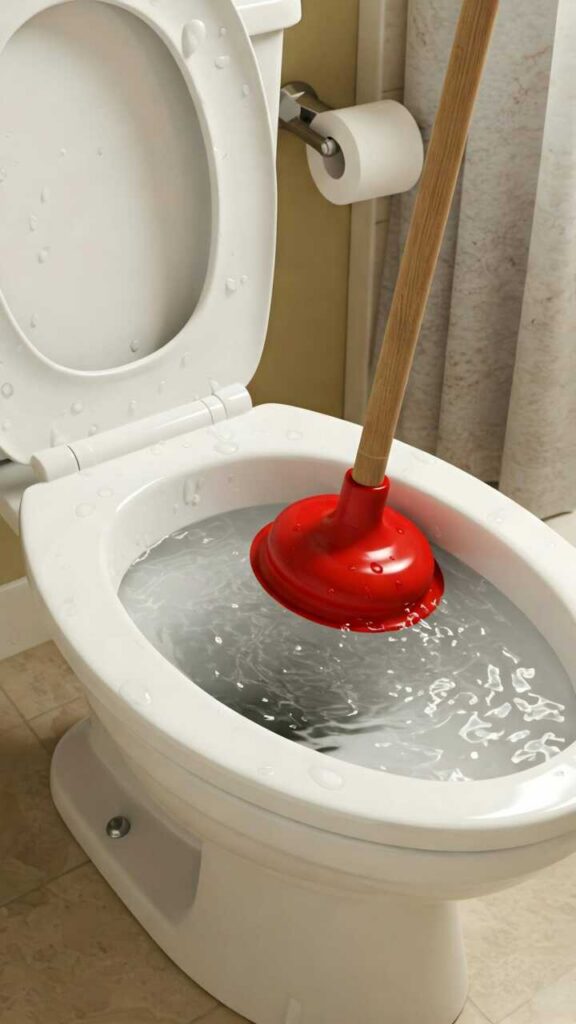
Flushing issues can be another critical indicator; if your toilet struggles to flush, act fast. Regularly monitoring these signs ensures you can address potential problems before they escalate.
Best Practices for Disposing of Waste and Grease
Proper disposal of waste and grease is essential for preventing sewage backups.
To maintain good kitchen habits, never pour grease down the drain. Instead, collect it in a container until it solidifies, then dispose of it in the trash. This practice prevents buildup in your pipes, which can lead to clogs.
When disposing of food waste, use a compost bin for organic materials and make sure that non-biodegradable items go in the trash.
Always scrape plates before rinsing to minimize debris entering the sink.
By adopting these grease disposal techniques and mindful kitchen habits, you not only protect your plumbing but also contribute to a healthier home environment.
Together, we can keep our communities free from sewage issues.
Why Good Drainage Matters for Prevention
Effective drainage plays a crucial role in preventing sewage backups, as it directly impacts how waste and water flow through your plumbing system. Properly functioning drainage systems help ensure that water efficiently moves away from your home, reducing the risk of clogs and backups.
Here are a few reasons why good drainage matters:
Prevents Overflows: Efficient systems handle excess water during heavy rains, minimizing overflow risks.
Reduces Blockages: Well-maintained drainage keeps debris and waste moving smoothly, preventing buildup.
Promotes Longevity: Regular inspection and maintenance of your drainage systems can extend their lifespan, saving you money in the long run.
Using Sump Pumps to Prevent Sewage Backup
A well-functioning drainage system is only part of the equation when it comes to preventing sewage backups. Sump pumps play an important role in managing excess water and protecting your home.
There are various sump pump types available, including pedestal and submersible models, each suited for different needs. Choosing the right one depends on your specific situation, such as your basement’s size and flood risk.
Regular sump pump maintenance is vital to ensure peak performance. Check the pump’s operation quarterly, clean the sump pit, and test the float switch.
Installing Backwater Valves for Extra Protection
Installing a backwater valve can greatly enhance your home’s protection against sewage backups.
You’ll need to understand how these valves work, familiarize yourself with the installation process, and commit to regular maintenance and inspections.
This proactive approach will help ensure your plumbing system remains efficient and reliable.
Understanding Backwater Valves
Backwater valves serve as a critical line of defense against sewage backups in your plumbing system. Understanding the different backwater valve types can help you choose the right one for your home.
These valves automatically close during a backup, preventing sewage from flowing back into your home.
Here are some valve installation benefits:
Prevents costly damage: Protects your property from expensive repairs and cleanup.
Enhances health safety: Reduces the risk of exposure to harmful sewage contaminants.
Increases property value: A well-installed valve can boost your home’s appeal to potential buyers.
Installation Process Overview
When considering the installation of a backwater valve, understanding the process is essential for ensuring effective protection against sewage backups.
You’ll need specific installation materials, such as a backwater valve, PVC pipes, and appropriate sealants.
Start by surveying your sewer line location and determining the best installation point. Use precise installation techniques, like cutting the sewer line carefully and connecting the valve to prevent reverse flow.
Make sure the valve is positioned correctly, allowing for easy access for future maintenance.
After securing all connections, test the system with water to check for leaks and functionality.
Following these steps will help you create a reliable barrier against potential sewage issues, safeguarding your home and providing peace of mind.
Maintenance and Inspection Tips
To ensure your backwater valve functions at its best, regular maintenance and inspection are essential.
These practices help prevent costly sewage backups and make certain your home stays safe.
Consider these key maintenance tips:
- Schedule routine pipe inspections to catch any potential issues early.
- Perform drain cleaning regularly to reduce buildup and improve flow.
- Test the valve periodically to verify it opens and closes properly.
Teaching Your Family to Avoid Sewage Backup
Educating your family about sewage backup prevention is essential for maintaining a healthy home environment.
Start by emphasizing the importance of proper waste disposal. Teach your family to only flush toilet paper and human waste, avoiding items like wipes, feminine products, and paper towels that can clog pipes.
Discuss the role of household drains and what should never be poured down them, such as grease and chemicals.
Encourage everyone to be proactive by reporting any slow drains or unusual odors immediately.
Regular family education sessions can reinforce these practices, ensuring everyone understands their role in preventing backups.
Seasonal Tips for Preventing Sewage Issues
To effectively prevent sewage issues, seasonal maintenance is essential.
In winter, make certain your drains are clear to avoid freezing and blockages.
When spring arrives, perform thorough cleaning practices to remove buildup and prepare your system for heavy rainfall.
Winter Drain Maintenance
As winter approaches, ensuring your drains are properly maintained is essential for preventing sewage backups.
Cold temperatures can lead to frozen pipes, which disrupt your winter plumbing and create major issues.
Here are three key tips to keep your drains clear and functional:
Insulate Pipes: Use foam pipe insulation to protect vulnerable areas from freezing.
Keep Drains Clear: Regularly remove debris from drain covers and ensure there’s no buildup that could lead to clogs.
Run Water Regularly: Let faucets drip slightly during extreme cold to keep water flowing and reduce the risk of freezing.
Spring Cleaning Practices
While winter can wreak havoc on your plumbing, spring offers the perfect opportunity to implement cleaning practices that prevent sewage issues.
Start your spring cleaning by inspecting and clearing gutters and downspouts to ensure proper drainage. Next, check your outdoor drains for debris, as clogs here can lead to backups.
Perform seasonal maintenance on your sump pump by testing its functionality and confirming it’s free of obstructions.
Inside, clean sink traps and inspect your plumbing for any leaks or wear. Consider using enzyme-based cleaners to break down organic material in drains.
When to Call a Professional for Help?
Recognizing when to call a professional for sewage backup issues is essential for preventing extensive damage and health hazards.
If you notice any of the following signs, don’t hesitate to seek a professional assessment:
- Repeated backups in multiple fixtures
- Unpleasant odors that persist
- Visible sewage or water pooling in your yard
An emergency response is critical in these situations. Ignoring the signs can lead to costly repairs and serious health risks.
Professionals have the right tools and expertise to handle these issues safely and effectively. Trusting experts protects your home and ensures your family’s well-being.
Don’t wait until it’s too late—act promptly to safeguard your living environment.
Maintaining Your Plumbing System Regularly
Regular maintenance of your plumbing system is essential for preventing sewage backups and ensuring smooth operation. Schedule routine plumbing inspections at least once a year to identify potential issues early.
During these inspections, professionals can spot wear or damage that may lead to larger problems. Additionally, prioritize pipe cleaning to remove buildup and blockages that can obstruct flow.
Consider using hydro-jetting for effective cleaning, especially in older pipes. Don’t forget to check your drains regularly; using a strainer can help catch debris before it causes clogs.
Frequently Asked Questions
How Often Should I Inspect My Sewer Lines?
You should inspect your sewer lines at least every two years for effective sewer line maintenance. If you notice issues like slow drains or backups, increase the inspection frequency to prevent more significant problems.
Can Tree Roots Cause Sewage Backups?
Yes, tree root intrusion can definitely cause sewage backups. Regular plumbing maintenance helps identify and manage these issues early. Being proactive can save you from costly repairs and ensure your system runs smoothly.
Are There Home Remedies for Minor Backups?
Yes, you can try home remedies like baking soda and vinegar for minor backups. Regular plumbing maintenance and effective drain cleaning also help prevent issues, ensuring a smoother flow and a healthier home environment for you.
What Insurance Covers Sewage Backup Damage?
Homeowners coverage typically doesn’t include sewage backup damage. You’ll need specific sewage backup insurance to protect against such incidents. Check your policy and consider additional coverage to ensure you’re adequately protected from potential losses.
How Do I Locate My Sewer Cleanout Access?
To locate your sewer cleanout access, look for a capped pipe in your yard or basement. Regular sewer maintenance helps prevent issues, so knowing its location ensures you’re prepared for any unexpected situations.
Wrap-Up
By staying proactive and vigilant, you can safeguard your home from the lurking threat of sewage backups, much like a vigilant knight guarding the castle gates. Regular inspections, proper waste disposal, and the installation of sump pumps act as your armor. Educating your family and following seasonal maintenance tips will fortify your defenses. Should issues persist, don’t hesitate to call a professional, ensuring your plumbing system remains a stronghold against costly repairs and unpleasant surprises.