Like a relay race, effective structural drying depends on timing, tools, and sequence. You need fast water extraction, targeted air movement, dehumidification, and warm air to limit secondary damage. Moisture meters and thermal imaging help you track hidden dampness, while different materials demand different drying methods. When insulation, wood, or carpet stays saturated, the right technique can make the difference—but the best results aren’t always obvious yet. Below, we cover the seven structural drying methods that work best for water damage.
Key Takeaways: Structural Drying Methods
- Extract standing water quickly to prevent absorption into porous materials and reduce hidden damage.
- Use air movers and dehumidifiers together to create controlled airflow and remove moisture efficiently.
- Monitor moisture levels at fixed points until materials meet dry standards and drying is verified.
- Apply targeted methods by material, such as carpet lifting, drywall airflow, wood grain drying, and warm air for concrete.
- Call professionals when staining, humidity, musty odors, or warped framing suggest hidden saturation or structural risk.
How Structural Drying Stops Water Damage
Structural drying stops water damage by removing moisture from building materials before it can spread, weaken structural components, or create conditions for mold growth.
You protect walls, floors, and framing by controlling moisture retention in wood, drywall, and insulation. Effective drying techniques use airflow, temperature, and dehumidification to pull water out of porous materials and keep humidity low.
You also limit secondary damage by stabilizing materials before they swell, warp, or delaminate. When you dry structures correctly, you preserve indoor air quality and reduce repair scope.
You’re not just drying surfaces; you’re restoring the building envelope so it can return to service safely. This process helps your space stay sound, clean, and ready for the next stage of recovery.
Why Fast Water Extraction Matters
Fast water extraction matters because the longer standing water remains, the more it soaks into drywall, subfloors, framing, and insulation, increasing the risk of swelling, warping, microbial growth, and permanent material loss.
You protect your property and your team’s recovery plan when you act quickly. Fast water extraction supports damage prevention by limiting moisture migration and reducing the area that needs remediation.
You cut absorption into porous materials.
You lower the chance of hidden contamination.
You shorten the path to safe restoration.
When you remove water promptly, you stay ahead of structural decline and keep repairs simpler, cleaner, and more predictable.
That faster response helps you protect your space, reduce disruption, and restore confidence in the process.
Structural Drying Equipment That Speeds Up Results
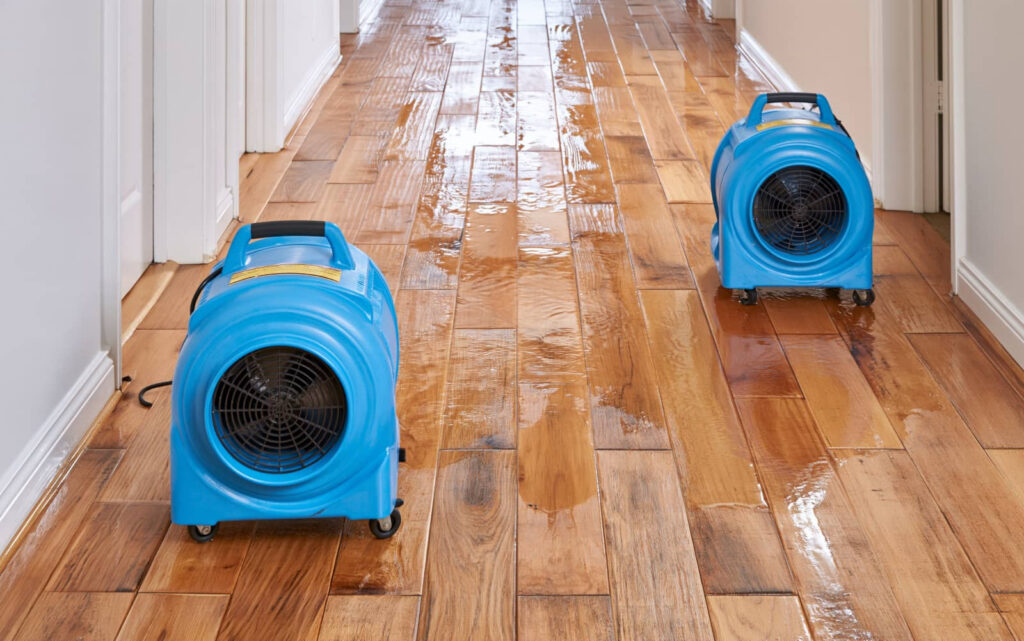
Air movers, dehumidifiers, and moisture meters work together to speed structural drying after water damage.
You place air movers to keep moist air moving across floors, walls, and framing, reducing saturation pockets.
You run dehumidifiers to pull vapor from the room air and lower humidity, which helps materials release moisture faster.
You use moisture meters to track progress, confirm affected areas, and know when you’ve reached dry standards.
When you position this equipment correctly, you create a controlled drying chamber that protects your structure and keeps your restoration team aligned.
You don’t guess; you measure, adjust, and verify.
That approach helps your property dry efficiently, limits secondary damage, and gives you confidence that every hidden cavity is being addressed.
Why Warm Air Helps Dry Faster
Warm air raises evaporation rates, so you remove surface moisture more quickly.
It also penetrates deeper into porous materials, helping trapped water migrate outward. This combination speeds overall moisture removal and shortens drying time.
Heat Raises Evaporation
When you raise the temperature of wet materials, you give water molecules more energy to escape into the air as vapor. That boost improves evaporation efficiency, so your drying setup works harder for your team.
Use controlled heat sources to keep air warm without overheating surfaces or slowing progress.
- Warm air speeds molecular movement and lowers drying time.
- Stable heat supports consistent evaporation efficiency across materials.
- Targeted heat sources help you maintain safe, predictable conditions.
You’ll see better results when you pair heat with airflow and moisture removal.
Keep temperatures in the effective range, monitor conditions, and adjust as materials dry. That’s how you stay aligned with a professional drying plan and protect the structure while it recovers.
Warm Air Reaches Deep
Because warmer air can hold more moisture, it reaches deeper into porous materials and pulls water from within the structure more effectively.
You get better deep penetration when warm air circulation moves across carpet, drywall, wood, and insulation, letting moisture migrate from hidden layers to the surface.
That matters because trapped water often sits below what you can see, and surface-only drying won’t fully address the damage.
By warming the surrounding environment, you support a stronger vapor gradient, so moisture shifts outward instead of staying locked inside.
You’re not just drying what’s visible—you’re helping your structure dry as a whole.
This approach helps you stay aligned with proven structural drying practices and gives your team a more reliable path to restoration.
Faster Moisture Removal
Higher air temperature speeds evaporation, so you can remove moisture from wet materials more quickly during structural drying.
Warm air lowers relative humidity at the surface, which boosts evaporation rates and helps you stay ahead of hidden dampness. It also reduces moisture absorption in porous materials by driving water vapor outward faster.
You raise air temperature to increase vapor pressure and accelerate drying.
You keep air moving so moist boundary layers don’t slow evaporation.
You pair heat with dehumidification to capture released water before it reenters materials.
When you manage heat correctly, you help your team dry structures faster, limit secondary damage, and get back to normal with less disruption.
Warm, controlled airflow gives you a reliable, technical advantage.
How Moisture Meters Guide Drying
You use moisture meters to find hidden moisture inside walls, floors, and other materials that visual inspection can miss.
They help you target drying equipment to the wettest areas and avoid wasting time on already-dry sections.
Measuring Hidden Moisture
How do you know when hidden moisture has finally left a wall cavity, subfloor, or framing bay? You use moisture meters to verify drying, not guess. In your crew, moisture detection keeps everyone aligned and prevents premature closure.
Pin meters measure wood content at exposed points, while pinless meters scan broader surfaces without damage. Readings let you compare wet materials against dry standards, track progress, and spot trapped pockets you can’t see.
- Take baseline readings before drying starts.
- Recheck at set intervals to confirm decline.
- Document consistent dry readings across adjacent materials.
When your numbers stabilize at normal ranges, you’ve likely cleared hidden moisture. That evidence helps you move forward with confidence and keeps the jobsite accountable.
Targeting Drying Areas
Moisture meter data helps you target drying equipment where it’ll do the most work, rather than treating the entire structure equally. You can map wet areas, isolate drying zones, and place air movers or dehumidifiers only where readings justify them.
That keeps your setup efficient and helps your team work with a clear plan. Use targeted techniques to direct airflow into cavities, baseboards, subfloors, and wall intersections that hold hidden moisture.
Compare adjacent materials so you can separate saturated sections from areas that just need support drying. This approach reduces wasted energy and limits unnecessary disturbance to unaffected spaces.
When you follow meter guidance, you stay aligned with proven structural drying practices and maintain confidence in every decision you make on site.
Tracking Moisture Reduction
As drying begins, meter readings show whether moisture levels are actually dropping or whether equipment placement needs adjustment. You use moisture meters to verify progress, not guess, so your team stays aligned and confident.
Moisture mapping identifies wet zones, hidden pockets, and safe endpoints for each material. Compare readings daily, record baseline values, and watch for slow-drying areas that need stronger drying techniques or airflow changes.
- Measure at fixed points to keep data consistent.
- Chart changes in walls, floors, and framing.
- Stop only when readings match dry standards.
This process helps you protect the structure, shorten drying time, and prove success to clients who expect reliable results.
Drying Methods for Different Materials
Because different materials release moisture at different rates, you need to match the drying method to the substrate to avoid damage and speed recovery.
For wood drying, move air across grain and control humidity to limit cupping.
For carpet drying, lift the carpet, extract water, and place airflow under the pad.
For drywall drying, use low-grain refrigerant dehumidification and targeted airflow to protect finishes.
For concrete drying, increase warm, dry air and allow slower diffusion from the slab.
For upholstery drying, vacuum moisture first, then use gentle air movement to preserve fabric.
For insulation drying, remove saturated sections when they can’t re-dry efficiently.
When you choose the right approach, you keep the structure stable and stay in control with the rest of your team.
Signs You Need a Professional Drying Team
Even with the right drying method for each material, some water damage exceeds what standard equipment can handle. You need a professional assessment when you see hidden saturation, musty odors, or warped framing.
A trained team can deliver emergency response, precise moisture evaluation, and a drying timeline that protects your structure.
- Visible staining spreads after 24 hours.
- Humidity stays high, and materials feel damp.
- Electrical, mold, or structural concerns raise safety precautions.
When these signs appear, the restoration process needs advanced equipment selection, not guesswork. You’ll save time, reduce secondary damage, and stay aligned with your crew’s standards.
Trusting experts helps your space dry correctly and keeps you connected to a safer, faster recovery.
Frequently Asked Questions
How Long Does Structural Drying Usually Take?
Usually, you’ll need 3–5 days, though severe damage can take longer. You’ll rely on air movement and drying equipment to speed moisture removal, protect materials, and keep your space on track during restoration.
Can Structural Drying Prevent Mold Growth Completely?
No, you can’t completely prevent mold; spores can grow within 24–48 hours. You’ll reduce risk with mold prevention techniques and proper drying equipment types, but you still need fast, thorough drying and monitoring.
What Should I Do Before the Drying Team Arrives?
You should shut off electricity if safe, move valuables, document damage, and avoid contaminated areas. Keep pets out, ventilate if possible, and note safety precautions for initial assessments so your drying team can start fast.
Will My Insurance Cover Structural Drying Costs?
Usually, yes—your insurance policies may cover structural drying costs if your loss is sudden and covered. Check coverage limits, deductibles, and exclusions. Like a storm shelter, your policy can shield you when damage hits.
How Do I Know if Hidden Moisture Remains?
You’ll know hidden moisture remains if moisture detection tools show elevated readings, materials feel cool or warped, and hidden leaks keep returning. Use a meter, infrared scan, and inspection to confirm drying is complete.
Review
Structural drying helps you stop water damage before it spreads, and you’ve seen how air movers, dehumidifiers, moisture meters, and thermal imaging work together. Why wait when hidden moisture can keep damaging your structure? Fast extraction and material-specific drying protect wood, insulation, and carpet from warping, mold, and long-term loss. If you notice lingering dampness, call a professional drying team so you can restore your property efficiently and completely. Using the right structural drying methods helps you avoid hidden moisture, mold, and costly repairs.