
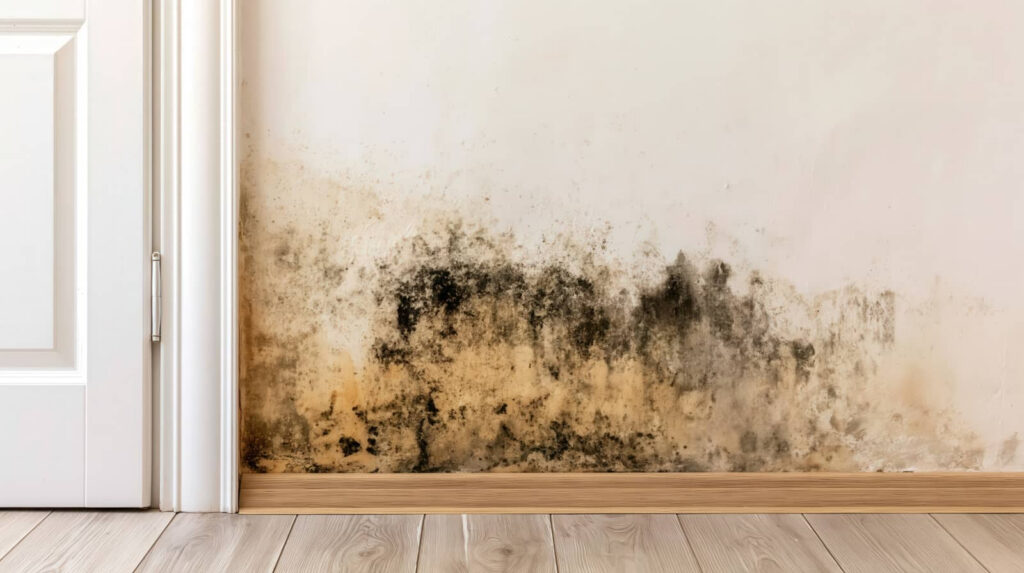
You may not know that mold can start growing within 24 to 48 hours after water damage. If you don’t act fast, moisture trapped in walls, flooring, or insulation can turn a small leak into a bigger cleanup. You need to remove wet materials, dry the area completely, and clean surfaces without spreading spores. Hidden damp spots can still cause trouble, so the next steps matter more than you might expect. These fast cleanup tips make mold prevention after damage simple and effective.
Key Takeaways: Mold Prevention After Damage
- Act within 24 to 48 hours to stop mold growth after water damage.
- Cut off leaks, remove wet materials, and inspect hidden damp areas immediately.
- Dry affected areas with fans, ventilation, and a dehumidifier until fully dry.
- Wear gloves, a mask, and eye protection while cleaning mold-prone areas.
- Clean surfaces with a HEPA vacuum and detergent, then discard musty porous items.
Stop Mold After Water Damage Fast
If water has damaged your home, you need to act fast because mold can start growing within 24 to 48 hours. You should cut off water sources, stop the leak, and shut down affected plumbing or appliances right away.
Next, remove wet materials that you can’t save, since they fuel mold growth and spread contamination. You’ll protect your household best by checking hidden areas behind walls, under floors, and inside cabinets for dampness and odor.
Wear gloves, a mask, and eye protection while you work. Bag porous debris, seal it tightly, and move it out fast.
If you act now, you’ll help your home stay safe, healthy, and ready for the next cleanup step.
Dry Water-Damaged Areas Completely
Dry every water-damaged area completely to stop mold from taking hold. You need to remove hidden moisture from walls, floors, trim, and framing, because damp materials let spores settle fast.
Run fans and keep air moving, but pair that with strong ventilation importance: open safe windows and doors when weather allows, and exhaust humid air outside. A dehumidifier helps you drive relative humidity down, so use one continuously in closed rooms; the dehumidifier benefits include faster drying, less musty odor, and reduced mold risk.
Check corners, baseboards, closets, and under sinks with a moisture meter if you have one. Stay focused and work as a team with the space, because thorough drying protects your home and helps everyone breathe easier again.
Remove Wet Materials Before Mold Spreads
Pull out wet drywall, insulation, carpet, padding, and any porous item you can’t fully dry right away, because mold can start colonizing these materials within 24 to 48 hours. Act fast; every hour you delay increases mold growth and weakens moisture control.
- Bag removed debris to keep spores contained.
- Wear gloves, eye protection, and an N95 respirator.
- Check behind baseboards and under flooring for hidden saturation.
- Move salvageable items to a dry, ventilated space.
You’re protecting your home and your crew’s health when you separate wet, porous materials from the structure.
If an item still feels damp or smells musty, treat it as a loss. Strip out affected materials, keep the area open, and stay disciplined. That’s how you stop mold growth before it spreads.
Clean Surfaces Without Spreading Mold
Once you’ve removed the wet materials, clean the exposed surfaces right away so mold spores don’t settle and spread. You need to work fast, but don’t scrub dry debris into the air.
Use a HEPA vacuum first, then wipe hard surfaces with detergent and water, rinsing cloths often. For porous items that stay, use approved cleaning techniques and discard anything that still smells musty or stains easily.
Wear gloves, eye protection, and a respirator if dust rises, because you and your crew are safer when everyone follows the same steps.
After cleaning, apply mold resistant products where appropriate so the area stays protected. Keep wipes, buckets, and tools separate from clean rooms, and bag all residue before it can travel elsewhere.
Check Hidden Moisture to Prevent Mold Return
Even after visible cleanup, you need to check for hidden moisture so mold doesn’t come back. Use moisture detection tools right away on walls, subfloors, insulation, and behind cabinets. Don’t trust dry-looking surfaces; trapped water feeds fast regrowth.
Search for hidden leaks in supply lines, roof joints, and drain pans, then fix them before you close anything up. Move materials so air can reach damp pockets, and run dehumidifiers until readings drop to safe levels. You’re not just cleaning—you’re protecting your home and your crew from another outbreak.
- Probe baseboards and trim
- Inspect under sinks and behind appliances
- Measure humidity in closed rooms
- Document wet spots until they’re gone
Frequently Asked Questions
Do I Need Professional Mold Testing After a Leak?
Yes, you should, if you see hidden dampness or smell mustiness. You can choose professional testing methods to confirm mold growth, guide cleanup, and protect your home fast.
How Soon Should Insurance Be Contacted After Water Damage?
Contact your insurer immediately after water damage, ideally within hours. You’ll protect insurance claims, strengthen damage documentation, and speed your recovery. Snap photos, record dates, and report every affected area right away.
Can Mold Start Growing Inside Walls After Minor Flooding?
Yes—mold can start growing inside walls after minor flooding, especially if wall insulation stays damp. You need to dry those cavities fast, because hidden mold growth can begin within 24 to 48 hours and spread silently.
What Safety Gear Is Needed During Mold Cleanup?
You need safety equipment: gloves, goggles, boots, protective clothing, and respiratory protection like an N95 or respirator. Use mold containment, seal the area, and work fast so you and your crew stay protected.
How Do I Know if Carpets Can Be Saved?
You can save carpets if you catch damage fast, smell no persistent mold, and see no delamination or backing saturation. Do a carpet assessment, then use restoration techniques now; otherwise, replace it quickly for safety.
Summary
Act fast, and you’ll stop mold before it takes hold. Within 24 to 48 hours, dry wet areas with fans, dehumidifiers, and open airflow. Pull out soaked porous materials that still smell musty, then clean hard surfaces with detergent and a HEPA vacuum. Check hidden moisture in walls and floors, because mold works like a silent knight in the dark. Keep documenting damp spots until everything’s fully dry and safe. Acting quickly is the key to successful mold prevention after damage in any home.