
Key Takeaways
- Shut off the main water supply and secure the area, including electricity if safe.
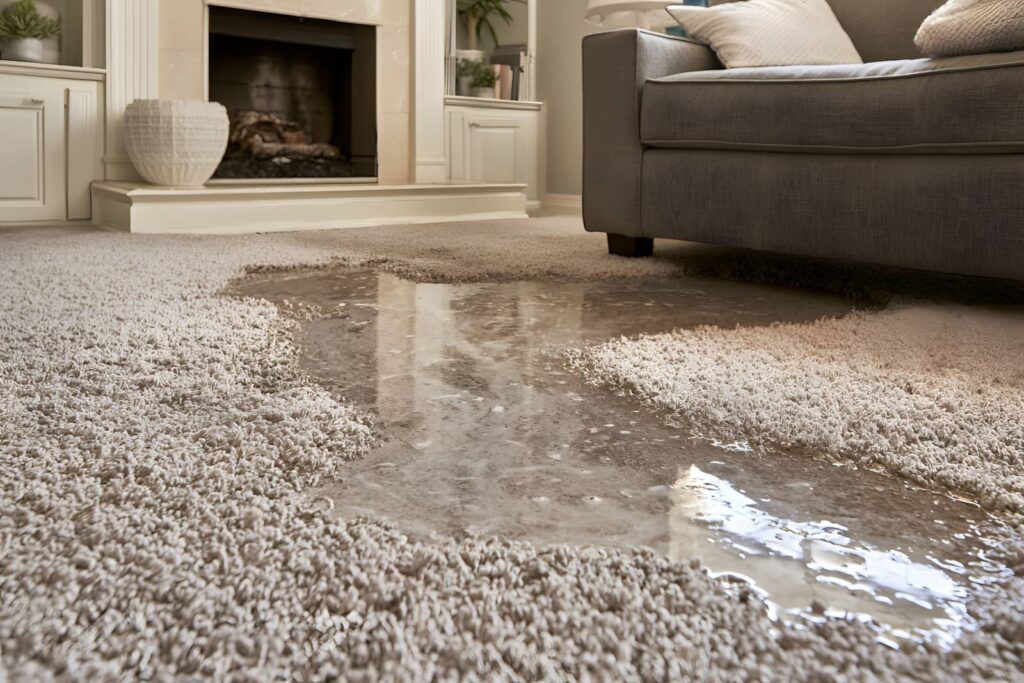
- Extract standing water quickly with pumps, wet vacs, and squeegees.
- Dry floors, walls, and contents using air movers and dehumidifiers immediately.
- Check for hidden moisture and sewage contamination with proper detection tools.
- Clean, sanitize, and deodorize affected areas after drying is complete.
Shut Off Water and Secure the Area
First, shut off the main water supply to stop the leak from spreading, then turn off electricity to any affected wet areas if it’s safe to do so.
Next, enter only when you’ve confirmed the scene is stable and follow basic safety precautions: wear gloves, boots, and eye protection.
Perform a quick area assessment to identify slipped floors, damaged outlets, and hidden hazards like loose ceiling material. Mark unsafe rooms so your team knows where not to step.
Move furniture, rugs, and electronics only if you can do it without worsening damage or injury. Keep doors open for airflow, but don’t use fans near energized circuits.
Document visible damage with photos, and note the source, room, and time. This helps your crew coordinate cleanup efficiently.
Extract Standing Water Quickly
Use pumps, wet vacs, and squeegees to remove standing water as fast as possible, starting with the deepest areas and working toward the exit.
You should move pumping equipment in a steady pattern so you don’t leave pockets behind. Keep hoses clear, empty recovery tanks often, and check that discharge routes stay unobstructed.
Wear safety gear, including boots and gloves, because slick surfaces and hidden debris can injure you.
Work with your team to split large rooms into zones, and communicate each pass so everyone stays coordinated.
If water returns from a drain or seepage point, pause and address the source before continuing. Fast removal reduces spread and helps your crew regain control quickly.
Stay methodical, keep pace, and trust the process together.
Dry Floors, Walls, and Contents
Once the standing water is removed, start drying floors, walls, and contents right away to limit secondary damage.
You should run air movers across wet surfaces and position dehumidifiers to pull moisture from the room. Open doors and cabinets so airflow reaches trapped spaces, and lift area rugs or pad materials to dry both sides.
Use furniture protection, like foam blocks or plastic risers, to keep items off damp flooring. Remove wet textiles and place them in a separate, ventilated area.
For walls, dry the lower sections first and use moisture barriers to isolate clean, dry areas from still-wet zones.
Keep equipment running until materials feel dry to the touch and humidity drops. Stay organized, work methodically, and your team will move faster.
Check for Hidden Moisture and Sewage Contamination
Even after visible water is gone, you still need to check for hidden moisture behind baseboards, under flooring, and inside wall cavities, since trapped water can keep spreading damage and growth.
Use moisture detection tools to spot damp insulation, warped subfloors, and wet framing that your eyes can’t see. If readings stay high, reopen the area and verify airflow until levels drop.
When sewage is involved, protect your team with sewage safety rules: wear gloves, boots, and eye protection, and limit foot traffic through affected rooms. Mark contaminated materials clearly so everyone knows what’s unsafe.
Don’t assume a dry surface means a dry structure; confirm every layer. By staying methodical, you help your crew move forward together with confidence and avoid hidden setbacks.
Clean, Sanitize, and Deodorize Damaged Areas
After extraction, you need to clean all affected surfaces with the right detergent, then sanitize any materials that can support microbial growth. You’ll protect your space and help your team stay confident when you act fast and stay consistent.
- Scrub hard surfaces with clean water and a detergent rated for the material.
- Apply an EPA-registered sanitizer to porous-safe items and follow dwell times.
- Deodorize with HEPA vacuuming, odor absorbers, and targeted ventilation.
- Support mold prevention by drying everything fully and improving air circulation.
Remove wet debris, rinse residue, and inspect hidden corners again. If odors linger, repeat cleaning before sealing materials back in place.
Keep dehumidifiers running and log humidity so you can verify conditions stay dry and safe.
Frequently Asked Questions
How Do I Document Water Damage for Insurance Claims?
Document water damage by photographing all affected areas, itemizing losses, and recording dates, moisture readings, and repairs. You’ll strengthen your water damage assessment and insurance claim process by keeping receipts, notes, and adjuster communications organized.
When Should I Call a Professional Restoration Company?
Call a professional restoration company when you spot water damage indicators like swelling, odors, or mold, or when the restoration process timeline exceeds a day. You’ll protect your space, save time, and avoid hidden damage.
Can I Stay in My Home During Water Cleanup?
You can stay home if damage is minor and you follow safety precautions, but floodwater, mold, or electrical risks may require temporary housing. Keep affected rooms sealed, ventilated, and dry until professionals clear them.
What Items Should Be Discarded After Flooding?
Discard porous items like flooded furniture, contaminated carpets, mattresses, insulation, and food. You should also toss swollen drywall, damaged electronics, and anything that smells moldy. Your cleanup theory proves these materials trap contamination.
How Long Does Water Damage Restoration Usually Take?
You’ll usually need 3-7 days for minor water damage, but severe cases can take weeks. Your water damage timelines depend on material saturation, drying, repairs, and the restoration process, so act fast.
Final Thoughts
By following these five steps, you can handle water extraction and cleanup with less disruption and a better chance of a full recovery. Shut off the supply, clear standing water fast, then dry affected areas thoroughly. Be sure to check for hidden moisture and any unsavory contamination. Finish by cleaning, sanitizing, and deodorizing all damaged spaces. This careful approach helps you avoid bigger issues later and gets the property back on track sooner.