
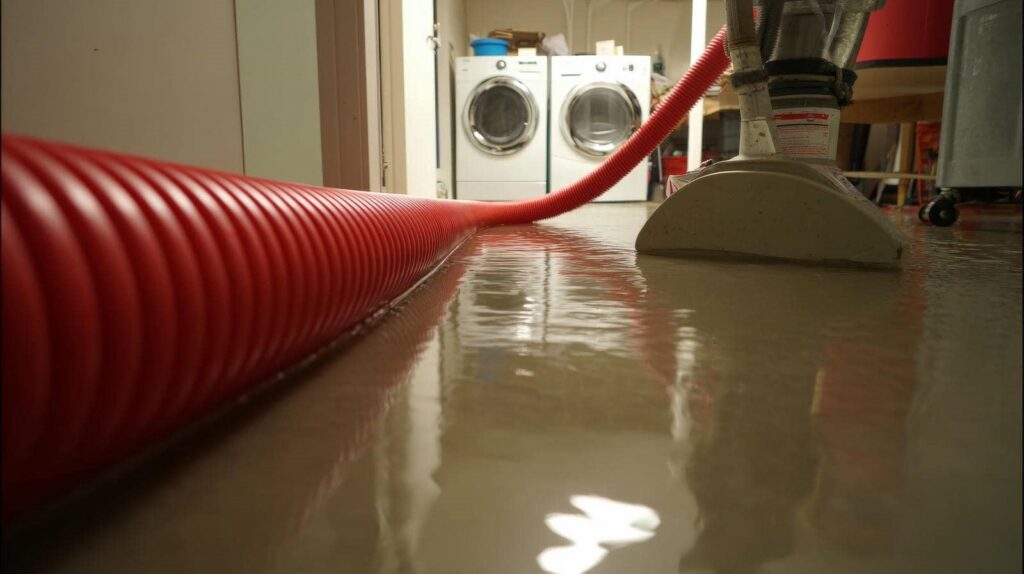
When dealing with floodwaters, understanding the top water extraction methods is essential for effective cleanup. You’ll find that various techniques, from pumping systems to specialized absorption materials, play important roles in minimizing damage. Each method has its strengths, whether it’s for residential or commercial spaces. Knowing when to employ these methods can greatly impact the recovery process. Let’s explore how to choose the right approach for your specific situation and ensure a thorough extraction.
Key Takeaways
- Pumping Techniques: Utilize suction and pressure methods for efficient water extraction in both residential and commercial flood scenarios.
- Submersible Pumps: Ideal for large volumes of water, these pumps quickly remove standing water in flooded areas.
- Wet/Dry Vacuums: Effective for targeted extraction, these vacuums are equipped with absorbent attachments for specific areas.
- Absorption Materials: Specialized pads and booms improve water retention and extraction speed, especially when layered.
- Safety Protocols: Always prioritize safety by using PPE and checking for electrical hazards before starting the extraction process.
Why Quick Water Extraction Is Essential
When floods strike, quick water extraction is essential because standing water can lead to significant structural damage and health risks.
Effective emergency response hinges on swift action; the longer water remains, the greater the potential for mold growth, wood rot, and compromised foundations. You need to act fast to minimize these risks and ensure your space remains safe for you and your community.
Implementing strong damage mitigation strategies protects your property and aids recovery efforts. Utilize professional services or high-capacity pumps for rapid removal and follow up with thorough drying to prevent lingering moisture issues.
How to Remove Flood Water: Top Techniques Explained
When tackling flood water removal, understanding effective pumping techniques is essential for rapid extraction.
You’ll also want to explore various absorption methods to ensure thorough moisture removal.
Each technique plays a critical role in restoring your space efficiently and effectively.
Pumping Techniques Overview
Pumping flood water efficiently requires understanding several key techniques. You’ll want to explore suction techniques, which use negative pressure to draw water into a pump. Submersible pumps are ideal for this, as they can handle large volumes quickly and are often used in residential settings.
Alternatively, pressure methods involve pushing water away from the affected area. These techniques can be particularly effective in managing larger bodies of water or in commercial applications.
Combining both methods can enhance efficiency, allowing you to tackle severe flooding more effectively. Familiarizing yourself with these approaches will empower you to respond adeptly to flood situations, ensuring you minimize damage and promote safety within your community.
Absorption Methods Explained
Several effective absorption methods can help you remove flood water quickly and efficiently.
One popular approach involves using specialized absorption materials, such as absorbent pads or booms, designed to soak up large volumes of water. These materials are ideal for both indoor and outdoor applications.
You can also utilize absorption techniques like layering; placing multiple pads can enhance water retention and speed up the extraction process.
For smaller areas, consider using a wet/dry vacuum with absorbent attachments to target specific spots.
Remember, the key is to act fast and monitor the moisture levels continuously.
Manual vs. Machine Water Extraction: Which Is Best?
Which method is more effective for water extraction during floods: manual or machine?
When considering manual extraction, you benefit from precision and control, allowing you to target specific areas. However, it’s labor-intensive and time-consuming, making it less efficient for larger floods.
On the other hand, machine extraction considerably speeds up the process, using pumps and vacuums to remove vast amounts of water quickly. This method is ideal for extensive flooding scenarios, reducing the risk of mold and structural damage.
Ultimately, the choice depends on your circumstances: for smaller, manageable floods, manual extraction can suffice, while machine extraction is your best bet for larger, more severe situations.
Balancing efficiency and effectiveness is key in your water extraction strategy.
How Pumps Help Remove Flood Water
Pumps are essential for efficiently removing flood water from affected areas.
You’ll find various types of flood pumps designed to handle different volumes and conditions, each with a specific pumping process.
Understanding these options and maintaining your equipment can greatly enhance the effectiveness of your flood response.
Types of Flood Pumps
When faced with flooding, selecting the right type of pump is vital for effective water removal. Submersible pumps are ideal for deep water, as they’re designed to operate underwater.
Trash pumps excel at handling debris-laden water, ensuring efficient removal. Diaphragm pumps work well for portable applications, offering versatility in various settings.
Centrifugal pumps are commonly used for high flow rates, while hydraulic pumps provide powerful water displacement. Electric pumps are favored for their ease of use and reliability.
For large-scale flooding, high capacity pumps are essential to manage significant volumes quickly. Portable pumps are invaluable for emergency situations, allowing you to tackle flooding wherever it strikes.
Choosing the right pump ensures a swift and effective response to flood challenges.
Pumping Process Overview
Effective water removal during floods relies on a systematic pumping process that ensures swift and efficient extraction. By understanding different pump types, you can select the most suitable option for your situation.
Submersible pumps are ideal for deep water, while centrifugal pumps excel in large volume extraction. The key to successful water removal is maximizing pumping efficiency. This means positioning pumps strategically and making sure they’re adequately powered to handle the flood’s demands.
Regularly monitoring the discharge rate helps maintain peak performance. You’ll want to coordinate with local authorities and professionals to secure a thorough approach, enhancing the overall effectiveness of your water extraction efforts.
A well-executed pumping process can greatly minimize flood damage and restore normalcy more quickly.
Maintenance and Efficiency Tips
Maintaining your pumps is essential for maximizing their efficiency in flood water extraction. By implementing preventive measures, you can ensure peak performance when it matters most.
Here are some key tips for effective equipment maintenance:
- Regular Inspections: Check for leaks, wear, and tear to catch issues early.
- Clean Filters: Keep filters free of debris to ensure smooth operation.
- Lubricate Moving Parts: Regular lubrication reduces friction and prolongs pump life.
- Test Backup Systems: Confirm secondary pumps are ready to activate if needed.
- Monitor Performance: Track flow rates and pressure to identify changes that need addressing.
What Safety Measures Should You Take During Water Extraction?
Safety should always be a priority during water extraction, as various hazards can arise in flooded environments. First, familiarize yourself with essential safety protocols; they’re vital for protecting both you and your team.
Always wear appropriate personal protective equipment (PPE), including waterproof boots, gloves, and safety goggles, to shield against contaminants and physical injuries. Confirm your workspace is well-ventilated to prevent inhalation of harmful substances.
Before starting, check for electrical hazards and turn off power sources to avoid shocks. Keep a first-aid kit on hand and make certain everyone knows how to use it.
Regularly communicate with your team about potential risks and maintain a clear evacuation plan. Prioritizing safety helps create a secure environment for everyone involved.
How to Use Dehumidifiers After Water Extraction
Using dehumidifiers effectively after water extraction is crucial for restoring a space and preventing further damage. Proper dehumidifier placement and humidity control can greatly aid in drying and reducing moisture levels. Here’s how to maximize their effectiveness:
- Position strategically: Place dehumidifiers in areas with the highest moisture concentration.
- Close windows and doors: This helps maintain low humidity levels indoors.
- Run continuously: Keep the units operating 24/7 until humidity levels reach a safe range.
- Monitor humidity: Use a hygrometer to check humidity levels regularly.
- Empty reservoirs frequently: Verify the dehumidifiers operate efficiently by removing collected water often.
Following these steps will help you restore your space quickly and effectively, ensuring a dry and healthy environment.
When to Call Professionals for Flood Cleanup
When facing significant flooding, it’s essential to recognize the signs that indicate it’s time to call in professionals for cleanup.
If you notice extensive flood damage—like soaked walls, ceilings, or floors—it’s critical to act quickly. Delaying can worsen the damage and extend your cleanup timeline.
Additionally, if you’re dealing with contaminated water or mold growth, professional help is imperative for safety and effective remediation.
Don’t underestimate the complexity of water extraction and drying; professionals have the equipment and expertise to handle these situations efficiently.
If you feel overwhelmed or uncertain about the extent of the damage, reaching out to experts can provide peace of mind and ensure your home returns to a safe, livable condition.
Frequently Asked Questions
What Types of Floods Require Different Extraction Methods?
Different floods require tailored extraction methods: flash floods demand rapid response techniques, river flooding often needs controlled pump systems, coastal flooding may involve specialized barriers, and urban flooding usually requires advanced drainage solutions to manage excess water efficiently.
How Long Does Water Extraction Typically Take?
Water extraction’s like a race against time; it typically takes hours to days, depending on time factors and extraction efficiency. You’ll find that efficient methods greatly reduce the duration, helping everyone affected recover faster.
Can I Use Household Items for Water Extraction?
Yes, you can use household items for water extraction. DIY techniques like towels, mops, or a wet/dry vacuum are effective home solutions. These tools can help you manage minor flooding efficiently and promptly.
What Are the Environmental Impacts of Water Extraction?
Extracting water can seriously harm ecosystems, degrading water quality and disrupting recovery processes. It’s like throwing a party in a library—no one appreciates the chaos. You’ve gotta consider the long-term effects on our shared environment.
Is Insurance Coverage Available for Flood Water Extraction Costs?
Yes, flood insurance often covers extraction costs, but it depends on your specific policy. Review your coverage details to ensure you’re protected from potential expenses related to flood water extraction after a disaster.
Final Thoughts
In flood situations, time is of the essence—”a stitch in time saves nine.” Quick and efficient water extraction is vital to prevent extensive damage and mold growth. Whether you opt for pumps or vacuums, using the right methods can make all the difference. Don’t underestimate safety measures, and always consider professional help if the situation feels overwhelming. By acting swiftly and effectively, you can safeguard your property and ensure a smoother recovery process.