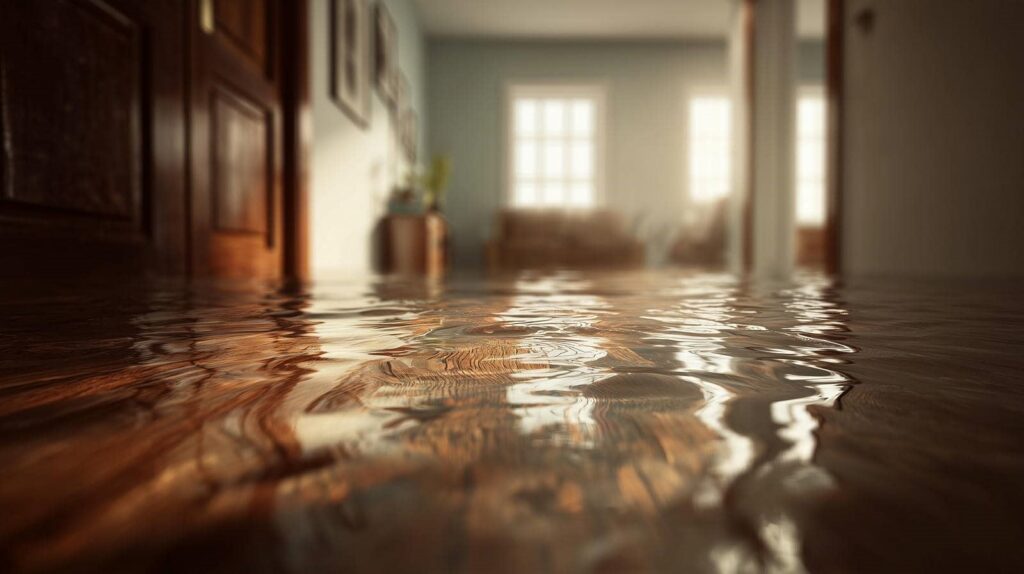
When dealing with water damage, you need to act quickly and methodically. Start by identifying key signs of damage to ensure no area is overlooked. Then, selecting the right restoration equipment is essential for an effective recovery. Finally, effective drying techniques can prevent long-term issues. Understanding these best practices will help you navigate the restoration process efficiently. Let’s explore each step to ensure a thorough approach to water damage recovery.
Key Takeaways
Conduct Moisture Mapping: Identify affected areas to ensure all moisture is addressed during restoration efforts.
Utilize Professional Equipment: Use dehumidifiers and high-powered fans to effectively remove moisture and enhance air circulation.
Monitor Humidity Levels: Regularly check humidity to track drying progress and prevent mold growth.
Address Damage Promptly: Quickly respond to signs of water damage to minimize further complications and costs.
Engage Professional Help: Leverage expertise and specialized equipment from restoration professionals for efficient recovery and insurance documentation.
Identify Key Signs of Water Damage?
Water damage can stealthily infiltrate your home, making it essential to recognize its key signs early.
Look for hidden leaks, often found behind walls or under sinks, which can lead to significant issues. If you notice water stains on ceilings or walls, act quickly; they may indicate a larger problem.
Mold growth is another red flag, thriving in damp environments and compromising your home’s structural integrity.
Don’t overlook musty odors, as they often signal hidden moisture. If you spot any of these signs, document them for potential insurance claims.
Select the Right Restoration Equipment
Once you’ve identified the signs of water damage, selecting the right restoration equipment becomes your next step.
Using the appropriate restoration tools ensures effective recovery and minimizes further damage.
Here are key items to take into account:
Dehumidifiers: Essential for removing excess moisture from the air.
Air Movers: Speed up the drying process by circulating air efficiently.
Moisture Meters: Help you assess the extent of water damage and track progress.
Implement Effective Drying Techniques
Effective drying techniques are vital for mitigating water damage and preventing mold growth. Start by conducting moisture mapping to identify affected areas accurately. This step ensures you understand where moisture lurks and helps you target your drying efforts effectively.
Next, use high-powered fans to enhance air circulation, which speeds up the evaporation process. Position fans strategically to create a cross-flow of air, allowing for even drying throughout the space.
Dehumidifiers can also play an important role by removing excess moisture from the air. Regularly monitor humidity levels to confirm your drying process is on track.
Frequently Asked Questions
How Can I Prevent Future Water Damage in My Home?
To prevent future water damage, ensure your drainage systems function properly and maintain effective moisture control. Regularly inspect your roof, gutters, and basement, addressing any leaks or blockages promptly to protect your home’s integrity.
What Should I Do Immediately After Discovering Water Damage?
Immediately shut off water sources, assess the damage, and document everything for insurance. Then, prioritize emergency response by removing standing water and drying affected areas to prevent mold growth. Time is essential in minimizing long-term issues.
Is Water Damage Covered by Homeowners Insurance?
Yes, water damage is often covered by homeowners insurance, but it depends on the cause. You should review your policy and file insurance claims promptly to ensure you receive the coverage you’re entitled to.
How Long Does the Restoration Process Typically Take?
The restoration timeline can feel like an eternity, but it usually takes several days to weeks. Effective drying techniques accelerate progress, ensuring your space returns to normal while minimizing damage and potential health risks.
Can I Handle Water Damage Restoration Myself?
You can handle water damage restoration yourself, but make sure you follow safety precautions. Assess equipment needs carefully, and prioritize mold prevention to protect your home. If unsure, consider seeking professional help for complex issues.
Summary
In water damage restoration, acting quickly can save you time and money. By identifying key signs of water damage early, selecting the right restoration equipment, and implementing effective drying techniques, you can considerably mitigate risks. Remember, engaging professionals enhances the restoration process and ensures accurate documentation for insurance claims, fostering a smoother recovery experience.