Did you know that mold can start to grow within 24 to 48 hours after water damage? To effectively prevent this, you need to act quickly and follow specific steps. From ensuring proper ventilation to using dehumidifiers effectively, there are key strategies you can implement. Understanding these methods can make all the difference in safeguarding your space. Let’s explore the top tips to keep your environment mold-free after water-related incidents.
Key Takeaways
- Remove standing water promptly using pumps or wet vacuums to eliminate moisture sources.
- Dry affected areas within 24 to 48 hours using fans and dehumidifiers to prevent mold growth.
- Inspect hidden spaces like behind walls and under carpets for moisture to ensure thorough drying.
- Use mold-resistant products during repairs and renovations to minimize future mold risks.
- Maintain proper ventilation by opening windows and using exhaust fans in moisture-prone areas.
Quick Steps for Mold Prevention After Water Damage
When water damage occurs, acting quickly is essential to prevent mold growth. Your immediate response actions can make all the difference. First, remove any standing water using pumps or wet vacuums.
Next, dry out the affected area within 24 to 48 hours by using fans and dehumidifiers. Don’t forget to check hidden spaces like behind walls and under carpets for moisture.
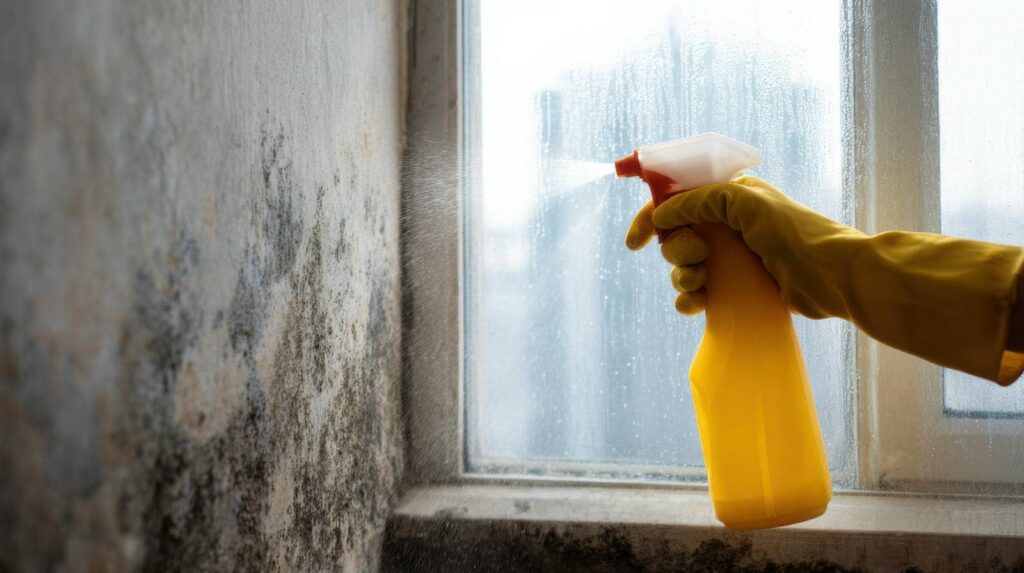
Implement mold prevention strategies by cleaning surfaces with a mixture of water and detergent. Consider using mold-resistant products when repairing or renovating.
Regularly inspect your property for leaks, and maintain humidity levels below 60% to create an unfriendly environment for mold. By taking these steps, you’ll markedly reduce the risk of mold infestation and protect your home.
Understanding the Mold Growth Timeline
Understanding the mold growth timeline is vital for effective prevention.
Initially, mold can start to grow within 24 to 48 hours under the right conditions, so knowing the factors that influence this growth is essential.
Initial Growth Stages
Mold starts its lifecycle in a series of distinct growth stages, and recognizing these phases is essential for effective prevention.
Initially, the right environmental factors, such as moisture and organic material, create favorable initial conditions for mold spores to germinate. Within 24 to 48 hours after water damage, mold can begin to thrive, making it vital to act quickly.
The first stage typically involves spore germination, where dormant spores absorb moisture and start to grow. As they develop, they produce hyphae, which can penetrate surfaces and create a network of mycelium.
Understanding this timeline helps you take proactive measures, like controlling humidity and drying affected areas, to prevent further mold proliferation and safeguard your space.
Factors Influencing Growth
Humidity, temperature, and organic materials are key factors that greatly influence mold growth. To mitigate mold risk, you must control temperature and address moisture sources promptly.
Ensure proper air circulation in your space, as stagnant air fosters growth. Regular cleaning frequency is essential; surfaces made of porous building materials are particularly susceptible to mold.
Implement effective prevention strategies, such as using dehumidifiers and sealing leaks. Regular inspection methods can help identify hidden moisture and surface types that may harbor mold.
By staying proactive and vigilant, you can create an environment that discourages mold development, fostering a healthier space for you and your community.
Make Sure Affected Areas Are Well-Ventilated
To prevent mold growth effectively, ensure that affected areas are well-ventilated. Proper ventilation is vital in reducing humidity and promoting airflow, which are essential to mitigating mold risks.
Implementing effective ventilation strategies and airflow techniques can make a significant difference.
- Open windows and doors to enhance cross-ventilation.
- Use fans to circulate air in confined spaces.
- Install vents or exhaust systems in areas prone to moisture.
How to Use Dehumidifiers Effectively
While you mightn’t notice it at first, using dehumidifiers effectively can considerably reduce moisture levels in your home, helping to prevent mold growth.
Start by ensuring proper dehumidifier placement; position it in the most humid areas, like basements or bathrooms, to maximize its effectiveness. Keep doors and windows closed during operation to enhance humidity control.
Set the humidity level to around 30-60% for ideal results, and remember to empty the tank regularly or connect it to a drain for continuous operation.
Monitor humidity levels with a hygrometer to assess your progress.
Dispose of Damaged Materials Properly
Improper disposal of damaged materials can greatly increase the risk of mold growth in your home. It’s essential to handle these items correctly to protect both your space and health.
Here are some effective mold disposal methods:
Remove porous items: Carpets, drywall, and insulation often retain moisture and should be discarded.
Seal and bag: Use heavy-duty bags for transporting damaged materials to prevent spores from spreading.
Follow local regulations: Check your area’s guidelines for disposing of hazardous waste, ensuring safe disposal.
How to Clean Surfaces After Water Damage
After water damage, it’s vital to clean surfaces promptly to prevent mold growth.
You’ll need essential cleaning supplies and a clear step-by-step process to ensure effective sanitization.
Let’s explore what you need and how to tackle the cleaning efficiently.
Essential Cleaning Supplies Needed
To effectively clean surfaces after water damage, you need the right supplies at your disposal. Having the correct tools ensures you tackle the problem efficiently and safely.
Here are essential items you should gather:
Cleaning solutions: Use mold-killing and disinfecting products to eliminate any potential spores and bacteria.
Protective gear: Equip yourself with gloves, masks, and eyewear to shield against harmful chemicals and mold exposure.
Microfiber cloths: These are perfect for wiping down surfaces without leaving lint behind, assuring a thorough clean.
With these supplies on hand, you’ll be well-prepared to address the aftermath of water damage and prevent mold growth in your home.
Step-By-Step Cleaning Process
When water damage occurs, knowing how to clean surfaces effectively can prevent mold growth and further complications.
Start by removing excess water using pumps or wet vacuums. Next, dry the area thoroughly with fans and dehumidifiers.
Once dry, use appropriate cleaning techniques; mix a solution of water and detergent to scrub surfaces. For tougher spots, consider using a diluted bleach solution, but ensure proper ventilation.
After cleaning, rinse surfaces with clean water, then apply surface treatments like mold-resistant sprays to deter future growth.
Finally, monitor the area for any signs of moisture or mold, and address issues immediately to maintain a safe, healthy environment.
Following these steps will help you reclaim your space from water damage efficiently.
Regularly Monitor Humidity Levels
Monitoring humidity levels is essential in preventing mold growth, as high moisture creates an ideal environment for spores to thrive.
To effectively manage humidity, you should regularly check levels in your home. Aim for a humidity level between 30-60%.
Consider these tips for humidity control:
Use a hygrometer: This tool helps you keep track of moisture levels accurately.
Identify moisture sources: Look for leaks, damp basements, or excessive steam from cooking and showers.
Ventilate: Ensure proper airflow in areas prone to moisture, like bathrooms and kitchens.
Consult Mold Remediation Professionals
Even with careful humidity management, mold can still appear in your home.
That’s why consulting mold remediation professionals is essential. They bring expertise to the table, offering tailored mold prevention strategies that can safeguard your space.
These experts conduct thorough professional assessments, identifying potential problem areas you might overlook.
Frequently Asked Questions
Can Mold Grow in Hidden Spaces After Water Damage?
Yes, mold can grow in hidden spaces after water damage. Effective mold detection and moisture control are essential to prevent its spread. Regularly inspect and maintain areas like behind walls and under floors for potential issues.
What Types of Materials Are Most Susceptible to Mold?
Wood surfaces and carpet fibers are most susceptible to mold. Imagine damp wood absorbing moisture like a sponge, while carpet fibers trap humidity, creating the perfect environment for mold to thrive. Stay vigilant to prevent growth.
How Soon Should I Start Cleaning After Water Damage?
You should start cleaning within 24 to 48 hours after water damage. Begin with an initial assessment to identify affected areas, then follow a cleaning timeline to effectively reduce mold growth and restore your space.
Are There Specific Molds to Be Aware of for Health Reasons?
Yes, you should be aware of toxic molds like Stachybotrys and Aspergillus, which can trigger mold allergies and respiratory issues. It’s essential to identify and address these molds promptly to protect your health and environment.
Is It Safe to Stay in the House During Mold Removal?
It’s generally not safe to stay in the house during mold removal due to potential mold exposure. Implementing proper safety measures, like using protective gear and ventilating the area, is essential for your health.
Summary
By acting swiftly and following these tips, you can shield your home from mold like a sturdy dam against a rising tide. Keep affected areas dry, ventilated, and clean, while disposing of damaged materials promptly. Regularly monitor humidity levels to stay ahead of potential growth, and don’t hesitate to consult professionals if needed. Protect your space, and ensure it remains a safe, healthy environment for you and your family.