When water damage strikes your home, quick and strategic action is vital. You need to understand the type of water damage you’re dealing with and assess the situation carefully. Prioritizing safety, having the right tools on hand, and knowing your immediate steps can make all the difference. But how do you ensure that you’re addressing all aspects effectively? Let’s explore home water damage essential tips that guide you through the restoration process.
Key Takeaways
Prioritize safety by wearing protective gear and ensuring no electrical hazards are present before starting cleanup efforts.
Quickly identify and classify water damage (clean, gray, or black) to determine the appropriate restoration approach.
Use moisture detection tools and a wet/dry vacuum to remove standing water and identify hidden damp areas effectively.
Maintain proper airflow and humidity control by using fans and dehumidifiers to promote faster drying and prevent mold growth.
Document all damage and restoration efforts for insurance claims, ensuring you understand your coverage limits and exclusions.
Understanding the Types of Water Damage
When you encounter water damage in your home, it’s crucial to understand the different types that can occur.
Water damage is primarily classified into three flood categories: clean water, gray water, and black water. Each category originates from distinct water sources, impacting the restoration methods you’ll need.
Clean water typically comes from plumbing issues, requiring minimal intervention. Gray water may contain contaminants from appliances, necessitating more thorough cleaning. Black water, often from sewage, poses serious health risks and demands urgent professional help.
Assessing Water Damage: Key Indicators
When evaluating water damage, look for visible water accumulation and any signs of mold growth.
These indicators can signal underlying issues that may compromise structural integrity.
Addressing these signs promptly can prevent further damage and costly repairs.
Visible Water Accumulation
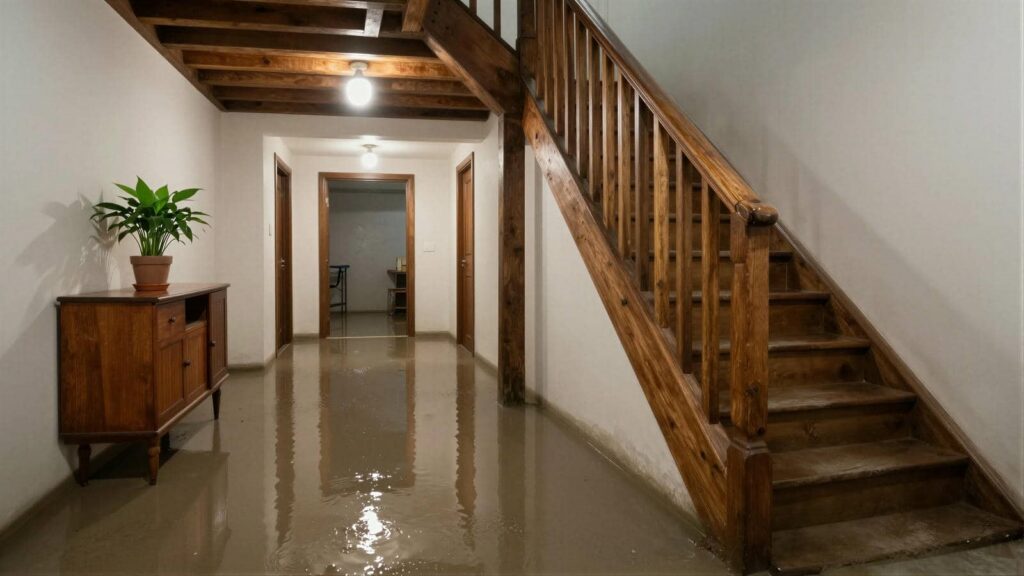
Although you mightn’t notice it at first glance, visible water accumulation is often one of the most telling signs of water damage in your home. Identifying these areas is essential for effective restoration.
Here are key indicators to watch for:
Puddles: Look for standing water near potential water sources like pipes or appliances.
Wet Spots: Check walls, ceilings, and floors for discoloration or dampness.
Warping: Notice any bulging or warping of floors or walls, indicating trapped moisture.
Odors: Be alert for musty smells, which can signal hidden water issues.
Addressing these signs promptly can lead to better drainage solutions and mitigate further damage.
Stay vigilant to protect your home and create a safe environment.
Mold Growth Signs
Mold growth is a significant sign of water damage that you can’t afford to ignore. It thrives in damp environments, often appearing as black, green, or white patches.
Recognizing mold symptoms, like musty odors or respiratory issues, is important for your health. To combat various mold types, proactive mold prevention strategies are essential. Conduct regular mold testing in suspected areas to identify hidden colonies before they escalate.
If you find mold, prompt mold removal is vital to protect your home and your health. Remember, understanding the mold lifecycle can empower you to take preventative measures effectively.
Structural Integrity Concerns
To ensure your home’s safety, evaluating structural integrity after water damage is essential. Ignoring this can lead to serious issues down the line.
Here are key indicators to assess:
Foundation Stability: Check for cracks or shifts indicating instability.
Moisture Retention: Look for damp areas in walls or floors that could signal ongoing water flow.
Building Materials: Inspect wood and drywall for warping or deterioration; these require immediate structural repairs.
Insulation Issues: Verify insulation isn’t saturated, as this can lead to long-term effects like mold growth.
Addressing these concerns with effective drainage solutions can help you maintain your home’s integrity and ensure a safe living environment for you and your family.
Safety First: Protecting Yourself During Cleanup
As you begin the cleanup process after water damage, it’s critical to prioritize your safety. Start by wearing protective gear, including gloves, goggles, and masks, to shield yourself from contaminants. Confirm your clothing is also durable to withstand rough materials.
When lifting heavy items, practice safe lifting techniques: bend at the knees, keep your back straight, and avoid twisting your body. This minimizes the risk of injury and helps you stay agile during the cleanup.
If you encounter any mold or hazardous materials, don’t hesitate to consult professionals. Remember, taking these precautions protects you and fosters a sense of community responsibility as you restore your space.
Your safety is the foundation for effective water damage restoration.
Must-Have Tools for Tackling Water Damage
Once you’ve secured your safety, gathering the right tools is the next step in effectively tackling water damage.
Having the right equipment ensures you can address the issue thoroughly and efficiently. Here are four must-have tools:
Moisture Detection Tools: These help identify hidden damp areas, vital for complete restoration.
Water Extraction Methods: Invest in a powerful wet/dry vacuum to remove standing water quickly.
Drying Equipment Options: High-capacity fans and dehumidifiers are essential for effective drying.
Protective Gear Essentials: Always wear gloves, masks, and boots to safeguard against contaminants.
With these tools in hand, you’ll be well-equipped to handle water damage, ensuring both safety and effectiveness throughout the restoration process.
Immediate Actions for Water Damage Response
When you encounter water damage, your first step is to prioritize safety; verify there are no electrical hazards.
Next, shut off utilities to prevent further complications, especially if water is near outlets.
Finally, assess the extent of the damage to determine the necessary restoration steps.
Prioritize Safety First
If you face water damage, prioritizing safety is essential before addressing the damage itself. Start by ensuring your safety and that of others in your home. Here are key steps to follow:
Wear safety gear: Use protective equipment like gloves and masks to guard against contaminants.
Review your emergency plan: Have a clear strategy in place for evacuation if needed.
Assess health risks: Be aware of potential hazards, such as mold or electrical issues, that could arise from water exposure.
Prepare for cleanup procedures: Gather necessary tools and first aid supplies to handle minor injuries or emergencies.
Shut Off Utilities
Shut off utilities immediately to prevent further damage and ensure safety during a water damage event.
Start by identifying the water source; this could be a burst pipe, a malfunctioning appliance, or severe weather. Once you’ve pinpointed the issue, locate your main water shut-off valve and turn it off to stop the flow.
Next, disconnect electricity and gas supplies to reduce the risk of electrical shock or fire hazards.
After you’ve managed the situation, document the water source and damage for insurance purposes.
When it’s safe to do so, you can plan for utility reconnections, ensuring that professionals handle any necessary repairs.
Prioritizing these actions will help you regain control and minimize losses during this stressful time.
Assess Damage Extent
After securing your utilities, it’s essential to assess the extent of the water damage. A thorough damage assessment and moisture evaluation will guide your next steps. Here’s how to proceed:
Inspect Affected Areas: Check all rooms, including hidden spaces like basements and attics, for signs of water damage.
Identify Sources: Locate the source of the water intrusion to prevent further damage.
Document Everything: Take photos and notes of the damage for insurance claims and restoration efforts.
Measure Moisture Levels: Use a moisture meter to evaluate the extent of saturation in walls and floors.
Effective Home Drying Techniques
When tackling water damage, you must act quickly to dry out affected areas and prevent mold growth.
Start by using a dehumidifier to remove moisture from the air; this is essential for effective drying. Place it in the dampest areas and set it to high efficiency.
Next, enhance air circulation by opening windows and using fans to direct airflow. Position fans to create a cross breeze, which accelerates evaporation.
If possible, move furniture and belongings away from wet areas to promote faster drying.
Monitor humidity levels regularly; aim for a relative humidity below 60%.
Mold Management: Effective Prevention and Removal Strategies
To effectively manage mold, you need to focus on prevention, safe removal, and ongoing maintenance.
Start by controlling moisture levels in your home and addressing leaks promptly.
Once mold appears, use proper techniques to remove it and implement strategies to prevent its return.
Preventative Measures for Mold
Since mold thrives in damp environments, it’s vital to implement effective preventative measures in your home. By taking proactive steps, you can create an unwelcoming environment for mold growth.
Here are four important strategies to take into account:
Humidity Control: Maintain indoor humidity levels below 60% using dehumidifiers.
Ventilation Improvement: ensure proper airflow in high-moisture areas like bathrooms and kitchens.
Water Resistant Materials: Use water-resistant materials in areas prone to moisture, such as basements and bathrooms.
Regular Inspections: Conduct routine inspections for leaks and moisture accumulation, addressing issues promptly.
Additionally, think about emergency preparedness with sump pump installation and drainage solutions, along with landscaping adjustments to direct water away from your foundation.
Safe Removal Techniques
Although mold removal can be challenging, employing safe and effective techniques can greatly reduce health risks and property damage.
Start by utilizing proper water extraction methods to eliminate excess moisture; this step is essential. Once the water is removed, implement effective drying techniques, such as using dehumidifiers and fans to ensure surfaces dry thoroughly.
Wear protective gear, including gloves and masks, to safeguard against mold spores during removal. Use a mixture of water and detergent to scrub affected areas, confirming you eliminate all visible mold.
For porous materials, like drywall, consider discarding and replacing them, as they can harbor spores.
Always verify that the area is completely dry before sealing or repainting to prevent future growth.
Post-Removal Maintenance Tips
Once you’ve successfully removed mold and moisture, maintaining a mold-free environment requires ongoing diligence.
You’ll need to implement strategic post-removal cleaning and moisture monitoring to ensure your home remains safe and healthy.
Here are four key tips:
Regular Inspections: Check for signs of dampness or mold every few weeks, especially in high-humidity areas like basements and bathrooms.
Humidity Control: Keep indoor humidity levels below 60% using dehumidifiers or air conditioning.
Proper Ventilation: Confirm bathrooms and kitchens are well-ventilated, using exhaust fans to reduce moisture accumulation.
Immediate Repairs: Fix leaks and water damage promptly to prevent mold regrowth.
When to Call in Professional Restoration Services
When facing significant water damage in your home, knowing when to call in professional restoration services can make all the difference.
If you notice extensive flooding, mold growth, or structural damage, it’s vital to seek a professional assessment. These issues often require specialized equipment and expertise that you mightn’t have.
Additionally, if you’re dealing with contaminated water or sewage, immediate emergency response is critical to ensure safety.
Professionals can quickly identify the source of the water damage and implement effective drying and remediation strategies.
Don’t hesitate to reach out if you’re unsure about the severity of the damage; timely intervention can prevent further complications and restore your home more effectively.
Trusting professionals helps you reclaim your space safely.
Understanding Insurance Coverage for Water Damage
How well do you understand your insurance coverage for water damage? Knowing the specifics of your insurance policies can make a big difference when disaster strikes.
Here are four key points to take into account:
Policy Types: Different policies offer varying coverage levels; familiarize yourself with yours.
Coverage Limits: Understand the maximum amount your insurer will pay for restoration costs.
Documentation Requirements: Keep detailed records of damage and restoration efforts; this is essential for the claim process.
Exclusions Details: Be aware of what’s not covered, as some events might be excluded.
Connecting with knowledgeable service providers can also help you navigate your insurance effectively.
Understanding these elements empowers you to manage water damage confidently.
Long-Term Solutions to Prevent Future Water Damage
To effectively prevent future water damage, it’s essential to implement proactive measures that address potential vulnerabilities in your home.
Start with regular plumbing inspections to catch leaks early. Consider installing sump pumps and effective drainage systems to manage excess water flow.
Waterproofing solutions can safeguard your foundation, while foundation sealing enhances structural integrity.
Make landscaping adjustments, like grading soil away from your home, to prevent water pooling. Maintain indoor humidity control to deter mold growth, and make sure that appliances are routinely serviced to prevent malfunctions.
Frequently Asked Questions
How Can I Tell if My Water Damage Is Covered by Insurance?
Check your insurance policy for water damage specifics and coverage limits. Contact your insurer directly to clarify what’s covered. Document the damage thoroughly, as this will help in your claim process and ensure you’re protected.
What Are the Long-Term Effects of Untreated Water Damage?
Untreated water damage can lead to homes developing mold growth within days, causing serious health risks. It also results in significant structural damage, compromising your home’s integrity and safety. Don’t ignore the signs.
Can I Use Home Remedies for Mold Removal?
Yes, you can use home remedies for mold removal. Vinegar, baking soda, and hydrogen peroxide are effective options. However, ensure proper ventilation and safety precautions, as some molds can be harmful if not handled correctly.
How Do I Prevent Future Water Damage in My Home?
To prevent future water damage, regularly maintain drainage systems and invest in quality waterproofing solutions. Make certain gutters are clear, downspouts direct water away, and inspect your home’s foundation for potential vulnerabilities that could lead to moisture issues.
What Should I Do if I Smell Mold but Can’t See It?
If you smell mold but can’t see it, use mold identification techniques like air quality testing. This helps detect hidden spores, ensuring you address potential health risks effectively and maintain a safe, healthy environment.
Summary
In the aftermath of water damage, think of your home as a wounded warrior—restoration requires swift action and careful care. By following these tips, you’re not just mending walls and floors; you’re reinforcing the very foundation of your sanctuary. Stay vigilant, equipped, and proactive to ensure your home doesn’t just survive but thrives. Remember, every drop you address today keeps future floods at bay, safeguarding both your space and peace of mind.