
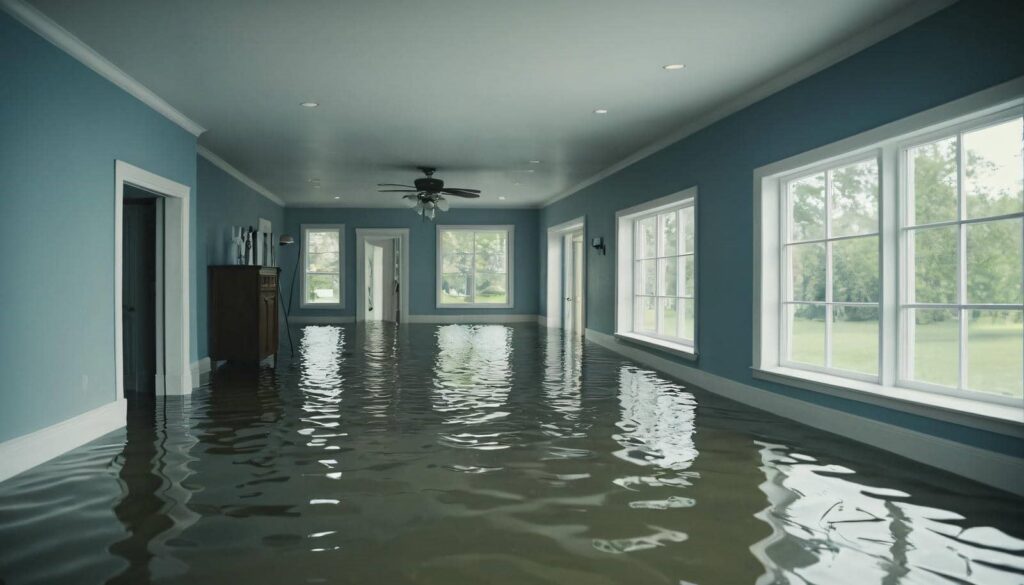
When flood damage strikes, filing an insurance claim becomes essential for your financial recovery. It’s not just about repairing your home; it’s also about addressing immediate needs like temporary housing and replacing lost belongings. Understanding the nuances of your policy can greatly influence your claim’s success. However, many overlook important steps or fall prey to common misconceptions. Knowing what to do next could make a considerable difference in your recovery journey.
Key Takeaways
Filing insurance claims for flood damage helps alleviate the financial burden of repairs and temporary housing costs after a disaster.
Prompt claims enable quicker reimbursement, allowing homeowners to focus on rebuilding and restoring their lives.
Thorough documentation of damage is crucial in maximizing insurance payouts and ensuring claims are processed efficiently.
Understanding policy coverage and limits helps navigate potential gaps in claims and avoid common pitfalls leading to denials.
Engaging with your insurance company early can improve the chances of a successful claim and mitigate further damage.
What You Need to Know About Flood Damage
When it comes to flood damage, understanding the specifics is essential, especially if you’re facing the aftermath of a flood. The flood impact can be devastating, affecting your property and your emotional well-being.
It’s vital to assess the extent of the damage quickly. Start by documenting everything—photos, videos, and detailed notes will be invaluable for your recovery strategies.
Prioritize safety; don’t enter flooded areas without proper gear. Consider the immediate need for professional help, whether it’s for cleanup or repairs.
Developing a recovery strategy involves restoring your home and seeking resources and support from your community.
How Insurance Claims Help Reduce Financial Stress
While maneuvering the aftermath of a flood, filing insurance claims can substantially alleviate your financial burden. These claims provide essential financial relief, covering costs related to repairs, temporary housing, and replacing damaged belongings.
This support eases financial strain and fosters emotional support during a challenging time. You’re not alone in this process; many find comfort in knowing that their insurance can help restore stability.
The prompt reimbursement from claims can help you focus on rebuilding rather than worrying about expenses. By understanding your policy’s benefits, you can navigate the complexities of recovery with confidence.
Ultimately, insurance claims can play an important role in lessening the overall stress you face after a flood.
Key Steps to Filing Your Flood Damage Insurance Claim
When you’re ready to file your flood damage insurance claim, focus on three key steps.
First, gather all necessary documentation to support your claim.
Next, make certain you understand your policy coverage and file your claim promptly to ensure a smoother process.
Gather Necessary Documentation
Filing a flood damage insurance claim requires meticulous preparation, starting with gathering the necessary documentation.
Begin by creating a documentation checklist to ensure you don’t miss anything crucial. This should include photographs or videos of the damage, a detailed inventory of affected items, and any receipts for repairs or replacements.
It’s also essential to obtain a flood assessment report, which provides an official evaluation of the damage. Collecting these documents helps establish the extent of your loss and supports your claim.
Understand Your Policy Coverage
Understanding your policy coverage is essential before you proceed with your flood damage insurance claim. Start by reviewing your policy to identify coverage limits; knowing these can help you gauge the financial support available for repairs.
Pay close attention to policy exclusions, as these can greatly impact what’s covered. For instance, some policies may not cover certain types of damage or specific areas of your property. Clarifying these details can prevent surprises later.
If you’re unsure about any terms, don’t hesitate to contact your insurance agent for clarification. By grasping your policy’s specifics, you’ll be better equipped to navigate the claims process and ensure you receive the compensation you deserve.
File Claim Promptly
To ensure a smooth claims process, acting quickly after experiencing flood damage is essential. Start by notifying your insurance company as soon as possible to adhere to claim deadlines. Delays can complicate your situation and may jeopardize your claim.
Familiarize yourself with the specific claim procedures outlined in your policy, as each provider may have different requirements. Document the damage thoroughly with photos and notes, ensuring you have a clear record of your losses.
Submit any necessary forms promptly, and follow up to confirm receipt. Being proactive helps you meet deadlines and fosters a sense of control during a stressful time.
Debunking Myths About Flood Insurance Claims
Many people hold misconceptions about flood insurance claims that can affect their financial recovery.
Understanding the common myths, recognizing coverage limitations, and simplifying the filing process is essential for effective claims management.
Common Misconceptions Explained
While flood insurance is essential for homeowners in high-risk areas, misconceptions about the claims process can lead to costly mistakes. Many believe that flood insurance covers all water damage, but that’s a common misconception. It’s vital to understand that not all policies are the same and some damages may not be covered.
Another prevalent myth is that you must experience a major disaster to file a claim; in reality, even minor flooding can result in significant damage. Additionally, some think filing a claim will automatically increase their premiums, but this isn’t always the case.
Coverage Limitations Clarified
Understanding the coverage limitations of flood insurance is essential for homeowners looking to file a claim effectively. Many people mistakenly believe that their flood policy covers all damage, but various factors create coverage gaps.
Familiarizing yourself with the following aspects can help clarify these limitations:
Coverage Types: Know what’s included—structural damage versus personal property loss.
Payout Limits: Each flood policy has specific payout limits that could affect your claim.
Filing Timeline: Claims must be filed within a certain period; missing this window can jeopardize your claim.
Filing Process Simplified
The filing process for flood insurance claims can seem overwhelming, but breaking it down into manageable steps can clarify the path ahead.
First, document the damage with photos and detailed notes. Next, notify your insurance company promptly; timely reporting is essential for your claim’s success.
Gather any recovery resources, like repair estimates, to support your case. Understand your policy’s coverage limitations to avoid surprises.
Many think that filing a claim is complicated, but it’s simply about following the outlined procedures. Flood prevention measures, such as maintaining proper drainage, can also bolster your case.
Necessary Documents for Your Flood Damage Insurance Claim
Filing a flood damage insurance claim requires a specific set of documents to ensure a smooth process.
To facilitate effective claim preparation, it’s essential to gather the following items for your documentation checklist:
Proof of Ownership: This could be your property deed or mortgage documents, confirming your ownership.
Damage Assessment: Detailed photographs and a written account of the damage can substantiate your claim.
Repair Estimates: Obtain quotes from qualified contractors to support your financial needs.
Having these documents ready will streamline your claim process and bolster your case.
What to Do if Your Claim Is Denied
If your flood damage insurance claim is denied, it’s essential to assess the reasons behind the denial before taking any action.
Start by reviewing the denial letter closely; it often outlines specific denial reasons, such as insufficient documentation or coverage limitations. Understanding these factors is vital for crafting a strong claim appeal.
Gather any additional evidence that supports your case, including photographs, repair estimates, or expert opinions.
Next, contact your insurance company to discuss the denial and clarify any misunderstandings. Don’t hesitate to ask questions; staying informed helps you feel more connected and empowered.
If necessary, consider seeking assistance from a public adjuster or an attorney experienced in insurance disputes to improve your chances of a successful appeal.
Tips to Maximize Your Flood Damage Insurance Payout
Understanding the factors that led to a denied claim can be the first step in maximizing your flood damage insurance payout. To ensure you receive the compensation you deserve, consider these tips:
Review Your Policy: Familiarize yourself with your coverage limits and exclusions to identify any gaps related to flood prevention strategies.
Document Everything: Take clear photos and keep records of all damage. This evidence can support your claim during the evaluation process.
Compare Policies: Regularly conduct insurance policy comparisons to ensure you’re adequately covered for future incidents, adapting your policy as needed.
Why Acting Quickly After a Flood Matters
Acting quickly after a flood can greatly influence the outcome of your insurance claim and the recovery process. Your immediate response actions are essential; they mitigate further damage and strengthen your position when filing a claim.
Document the damage thoroughly with photos and notes, as this evidence can be critical for a successful payout. Implementing effective flood recovery strategies—such as contacting your insurance company promptly—ensures you’re steering through the claims process efficiently.
Delays can result in complications or even denials. By taking swift action, you protect your property and foster a sense of community resilience, reassuring you and your neighbors that recovery is possible.
Your proactive steps can make all the difference.
Frequently Asked Questions
How Does Flood Insurance Coverage Differ From Standard Homeowners Insurance?
Flood insurance basics focus specifically on flood-related damages, unlike standard homeowners insurance, which often excludes such coverage. You’ll face coverage limitations with homeowners policies, leaving you vulnerable without a separate flood insurance policy.
Can I File Multiple Claims for Different Flood Events?
Yes, you can file multiple claims for different flood events. Each claim process addresses specific damages, so keep detailed records and communicate clearly with your insurer to ensure you receive the support you need.
Will My Premiums Increase After Filing a Flood Damage Claim?
Yes, your premium rates might increase after you go through the claim process for flood damage. Insurers often assess claims’ impact on risk, which can lead to higher premiums based on your claims history.
Are There Deadlines for Filing Flood Damage Insurance Claims?
Yes, there are deadlines for filing flood damage insurance claims. You must initiate the claim process promptly and meet documentation requirements to ensure eligibility. Check your policy for specific timelines to avoid complications.
What Happens if I Don’t Have Flood Insurance?
If you don’t have flood insurance, you’ll struggle with flood recovery costs and may miss out on essential financial assistance. Without coverage, you’ll bear the full burden of repairs and losses, impacting your financial stability.
Recap
So, if you think ignoring flood damage insurance claims is a brilliant idea, good luck building your dream home with a pile of soggy drywall! Filing a claim isn’t just about paperwork; it’s your lifeline to financial recovery. By understanding your policy and acting quickly, you can turn your disaster into a manageable setback. Remember, the sooner you file, the sooner you can swap your flood woes for fresh paint and new memories.