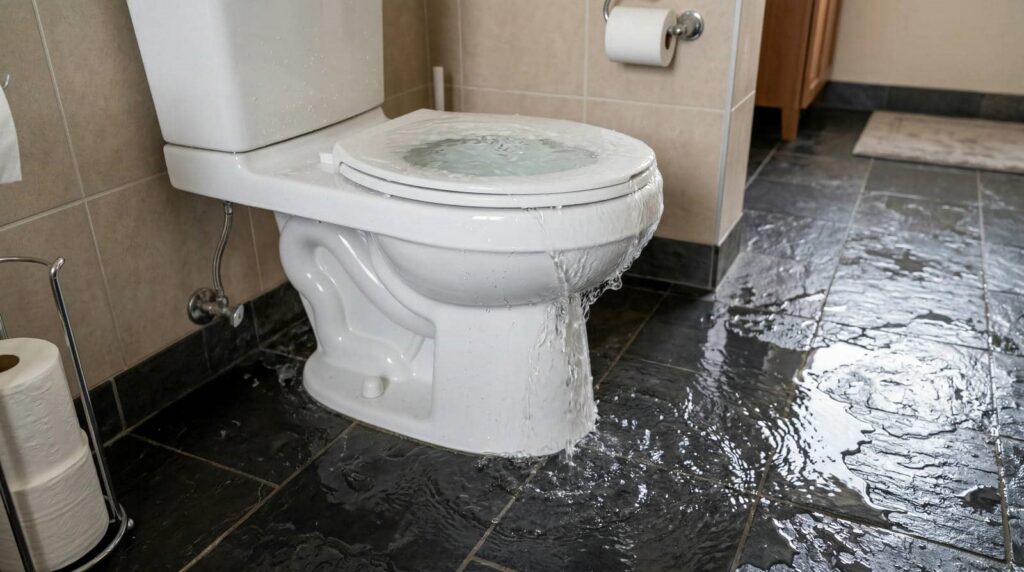
When a sewage backup floods your basement, the urgency to act becomes paramount. You need to prioritize safety first, donning protective gear like gloves and masks. Next, it’s essential to document the damage for insurance purposes. But what specific steps should you take to ensure a thorough cleanup? Understanding the process can help mitigate health risks and prevent future incidents. Let’s explore effective strategies for managing this unpleasant situation.
Key Takeaways
- Ensure safety by removing people and pets from the area and wearing protective gear during cleanup.
- Turn off electricity in the affected space to prevent electrical hazards and ensure proper ventilation.
- Use essential cleanup tools like a wet/dry vacuum, disinfectants, and sturdy trash bags for waste disposal.
- Seal contaminated items in heavy-duty plastic bags and label them as “Contaminated Waste” for proper disposal.
- Contact local authorities for hazardous waste disposal guidelines and seek professional help if the damage is extensive.
What to Do Immediately After a Sewage Backup
When you discover a sewage backup, it’s crucial to act quickly to minimize damage and health risks.
First, make sure everyone’s safety by removing pets and people from the affected area. Turn off the electricity in the affected space to prevent electrical hazards. Notify your local health department for guidance on emergency response.
Wear protective gear—gloves, masks, and boots—to implement essential health precautions. Avoid direct contact with sewage and contaminated materials. If possible, contain the backup by blocking off the area to prevent further exposure.
Document the damage through photographs for insurance purposes. Finally, consider contacting professionals for proper cleanup and restoration, ensuring a safe return to your home.
Your prompt actions can greatly reduce health risks and further damage.
Safety Tips for Cleaning Up Sewage
When cleaning up sewage, your safety is paramount. Always wear protective gear, including gloves and masks, to shield yourself from contaminants.
Ensure proper ventilation in the area and dispose of waste according to local regulations to minimize health risks.
Wear Protective Gear
Cleaning up sewage can expose you to harmful pathogens and contaminants, so wearing protective gear is essential.
Start with high-quality protective gloves; they create a barrier against bacteria and viruses. Look for gloves made from durable materials like nitrile, as they offer better resistance to punctures and tears.
Next, invest in heavy-duty boots to protect your feet from contaminated water and debris. These boots should be waterproof and easy to clean, ensuring you stay safe while traversing the affected area.
Additionally, consider wearing a face mask and goggles to shield your eyes and respiratory system from harmful particles.
Prioritizing your safety with the right protective gear safeguards your health and ensures a more effective cleanup process.
Ventilate The Area
Ventilating the area is essential for ensuring safety during sewage cleanup. Proper air circulation helps reduce harmful odors and prevents the buildup of toxic gases.
Here are some key steps to effectively ventilate the space:
Open Windows and Doors: Create cross-ventilation by opening all windows and doors to allow fresh air in.
Use Fans: Position fans to promote air circulation and push contaminated air outside.
Dehumidifiers: Utilize dehumidifiers to aid in moisture control, reducing the risk of mold growth.
Wear a Mask: Always wear a mask to protect yourself from airborne contaminants.
Use Proper Disposal
Proper disposal of sewage and contaminated materials is essential for safety and hygiene during cleanup.
First, wear protective gear, including gloves, masks, and boots. Use appropriate disposal methods to minimize health risks. Seal contaminated items in heavy-duty plastic bags before discarding them.
Check local regulations for waste management guidelines, as improper disposal can lead to legal issues and environmental hazards. If possible, hire professionals who specialize in sewage cleanup; they’ve the necessary training and equipment.
For large amounts of waste, consider renting a dumpster designed for hazardous materials. Always sanitize the area after disposal to eliminate lingering pathogens.
Essential Cleanup Tools After a Sewage Backup
After a sewage backup, having the right tools is essential for effective cleanup.
You’ll need protective gear, such as gloves and masks, to safeguard your health.
Additionally, sanitation equipment like disinfectants and wet/dry vacuums will help ensure a thorough and safe restoration of your space.
Protective Gear Essentials
When dealing with a sewage backup, prioritizing your safety is crucial, so equipping yourself with the right protective gear is necessary. Here’s a checklist to guide your protective gear selection:
Protective Clothing: Opt for long-sleeved shirts and pants to minimize skin exposure.
Safety Goggles: Protect your eyes from splashes and potential contaminants.
Gloves Selection: Choose heavy-duty, waterproof gloves to provide skin protection against harmful bacteria.
Boot Options: Wear knee-high rubber boots to prevent contact with sewage.
Additionally, consider appropriate mask types to guard against inhalation of harmful particles.
Sanitation Equipment Needed
Once you’ve equipped yourself with the right protective gear, it’s time to gather the sanitation equipment necessary for effective cleanup. Start by collecting sturdy gloves, masks, and goggles to protect yourself from harmful pathogens.
You’ll also need high-quality sanitation supplies like disinfectants and enzymatic cleaners that neutralize bacteria. A wet/dry vacuum is essential for removing standing water, while mops and buckets will help with further cleaning.
Don’t forget sturdy trash bags for waste disposal, and a sponge for finer cleaning methods. Having a utility knife on hand can assist in removing damaged materials.
With these tools, you can ensure a thorough cleanup, safeguarding both your health and your living environment.
Proper Disposal of Contaminated Materials
Proper disposal of contaminated materials is essential for preventing further health risks and environmental damage.
To effectively manage contaminated waste, follow these disposal methods:
Seal in Plastic: Place contaminated materials in heavy-duty plastic bags, sealing them tightly to prevent leaks.
Label Clearly: Mark bags as “Contaminated Waste” to inform others of the hazards.
Contact Local Authorities: Reach out to your local waste management for guidelines on hazardous waste disposal.
Avoid Regular Trash: Never dispose of contaminated materials in standard trash bins; this can spread contamination.
When to Hire a Professional for Sewage Issues?
Sewage issues can escalate quickly, making it crucial to know when to call in a professional. If you notice persistent backups, foul odors, or slow drainage, it’s time to act.
A thorough sewage inspection can identify underlying problems that mightn’t be visible. Additionally, if your plumbing maintenance routine hasn’t caught up with system demands, you risk larger, costly repairs.
Professionals have the tools and expertise to handle hazardous materials safely, protecting both your property and health. Don’t hesitate to hire help if sewage spills occur or if you’re unsure how to proceed.
Taking swift action can prevent further damage and ensure your home remains a safe, healthy environment for everyone.
Maintenance Tips to Prevent Future Sewage Backups
To prevent future sewage backups, regular maintenance is essential.
Implementing a proactive approach can save you from unpleasant surprises. Here are four key tips to keep in mind:
Conduct Regular Drain Maintenance: Clear debris and grease buildup to ensure smooth flow.
Schedule Plumbing Inspections: Have a professional check your plumbing system annually to identify potential issues.
Use Drain Screens: Install screens to catch hair and food particles before they enter your drains.
Be Mindful of What Goes Down the Toilet: Only flush waste and toilet paper; avoid disposing of other items.
Common Causes and Risks of Sewage Backups
While many homeowners may not realize it, several factors can lead to sewage backups, posing serious risks to both health and property.
Clogged pipes are a primary culprit, often caused by grease, hair, or foreign objects. When these obstructions occur, wastewater can’t flow properly, increasing the risk of overflow and potential flood damage.
Additionally, heavy rainfall can overwhelm sewer systems, leading to backups that can contaminate your home.
The health risks associated with sewage exposure are significant, including the spread of harmful bacteria and viruses.
Understanding these common causes can help you take preventive measures and protect your home from the severe consequences of sewage backups.
Being proactive is key to ensuring a safe living environment for you and your family.
Frequently Asked Questions
How Can I Tell if Sewage Backup Is From My Property?
You can tell if sewage backup’s from your property by detecting sewage odors and noticing slow drains. Implement backup prevention methods, like regular maintenance and inspections, to minimize risks and keep your home safe.
Will My Insurance Cover Sewage Backup Cleanup Costs?
Your insurance might cover sewage backup cleanup expenses, but it depends on your policy. Check your coverage for specific terms, exclusions, and limits. Understanding your insurance can help you manage unexpected costs effectively.
Can I Use Regular Cleaning Products for Sewage Cleanup?
You shouldn’t use regular cleaning products for sewage cleanup. Instead, follow proper cleaning procedures and safety precautions, using specialized disinfectants designed for biohazard situations to ensure effective and safe sanitation of contaminated areas.
How Long Does It Take to Fully Dry After a Sewage Backup?
After a sewage backup, the drying process typically takes 3 to 7 days. Conduct regular moisture assessments to ensure all areas are adequately dried, preventing mold growth and ensuring a safe environment for you and your family.
What Health Risks Are Associated With Untreated Sewage Exposure?
Untreated sewage exposure can trigger a storm of health risks. You might face symptoms like nausea, skin irritation, or respiratory issues. Long-term effects could include chronic infections and organ damage, making prompt action essential for your well-being.
Review
Tackling a sewage backup can feel like maneuvering through a stormy sea, but with the right precautions and tools, you can steer your ship to safety. Prioritize safety with protective gear, act swiftly to remove contaminated items, and ensure proper disposal of hazardous materials. Regular maintenance is your lighthouse, guiding you away from future mishaps. If the situation overwhelms you, don’t hesitate to call in professionals to restore calm to your home.