
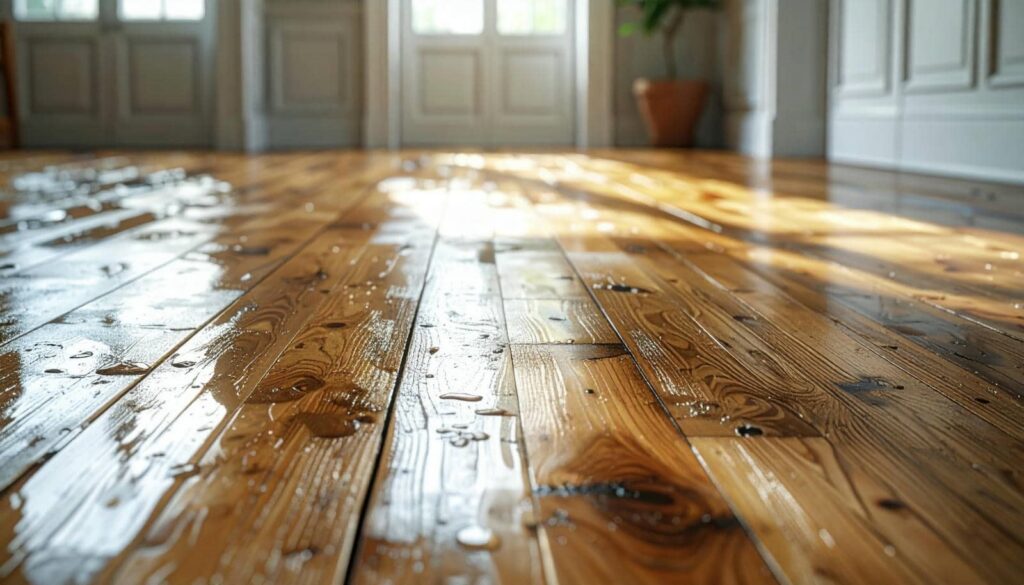
If you’re facing flood damage in your home, it’s essential to act quickly and methodically. Understanding the proper steps for flood cleanup can make a significant difference in your recovery. From evaluating safety risks to choosing the right supplies, each step is critical. But before you start, there are some important factors to take into account that could impact your cleanup efforts.
Key Takeaways
- Prioritize safety by assessing structural integrity and checking for gas leaks before entering the flooded area.
- Use submersible pumps or wet/dry vacuums for effective water extraction and ensure thorough drying to prevent mold growth.
- Wear protective gear and utilize eco-friendly cleaners and disinfectants for safe and effective cleanup.
- Regularly maintain gutters and install sump pumps to prevent future flooding and water damage.
- Test and maintain sump pumps to ensure reliability and enhance home safety against flooding risks.
Assess the Damage and Ensure Safety
How can you effectively evaluate the damage after a flood? Start by prioritizing your safety. Before entering your home, check for hazards like gas leaks or unstable structures.
Once it’s safe, conduct a thorough flood evaluation. Document the damage with photos and notes, focusing on structural issues, damaged belongings, and potential health risks like mold. Use a checklist to guide your review and ensure nothing gets overlooked.
Follow safety protocols, including wearing protective gear like gloves and boots to prevent injury or contamination.
Remove Standing Water and Moisture
After evaluating the damage, it’s time to tackle the standing water and moisture that can lead to further issues like mold growth.
Start with water extraction; use a submersible pump or a wet/dry vacuum to remove as much water as possible. Don’t forget to check hidden areas, like basements and crawl spaces, where water can accumulate.
Once the bulk of the water is gone, focus on moisture control. Open windows and doors to promote airflow and use fans or dehumidifiers to speed up drying.
Inspect and dry out furniture, carpets, and personal belongings to prevent long-term damage.
What Supplies Do You Need for Cleanup?
When preparing for flood cleanup, having the right supplies on hand can make all the difference in restoring your home efficiently.
Start with heavy-duty gloves and masks to protect yourself from contaminants. A submersible pump is essential for effective water extraction, while wet/dry vacuums help remove residual moisture.
You’ll need fans and dehumidifiers to dry out affected areas quickly. Stock up on towels, mops, and buckets for manual cleanup. Don’t forget disinfectants to sanitize surfaces afterward.
If you have flood insurance, keep your policy details handy as you document damages. This can ease the claims process and help you feel more supported during this challenging time.
Being prepared fosters a sense of community and belonging amid the chaos.
Effective Methods for Cleaning and Sanitizing After a Flood
After a flood, your safety is paramount, so make certain to wear protective gear before starting the cleanup.
You’ll need effective cleaning solutions to tackle mud and debris, and understanding disinfection techniques is essential to eliminate harmful pathogens.
Let’s explore the best practices to ensure your home isn’t only clean but safe for you and your family.
Safety Precautions First
Before diving into the cleaning process, ensuring your safety is paramount, especially in a flooded environment.
Start by evaluating the situation and preparing yourself for the tasks ahead. Here are some essential precautions to keep in mind:
- Check flood insurance details to understand coverage for damages.
- Contact emergency contacts and local authorities for guidance and support.
- Wear protective gear like gloves, boots, and masks to shield against contaminants.
- Avoid electrical hazards by turning off power supplies in flooded areas.
Taking these steps protects you and fosters a sense of community as you navigate this challenging situation.
Effective Cleaning Solutions
Effective cleaning solutions are essential for restoring your home after a flood. Start by removing all wet materials, replacing them with flood-resistant materials whenever possible.
For cleaning surfaces, use eco-friendly cleaners that effectively eliminate contaminants without harming the environment. Look for products with natural ingredients—these will protect your home while ensuring your family’s safety.
When tackling stubborn stains or odors, consider a mixture of vinegar and water, which is both effective and non-toxic. Remember to thoroughly dry the area afterward to prevent mold growth.
You’re not just cleaning; you’re reclaiming your space and creating a safe haven for you and your loved ones. Embrace this process, and you’ll foster a sense of belonging in your renewed home.
Disinfection Techniques Explained
Cleaning your home isn’t just about removing dirt; it’s also crucial to ensure surfaces are disinfected to eliminate harmful bacteria and viruses that floodwaters can introduce.
Following proper disinfection protocols is essential for effective microbial control. Here are some techniques you can use:
- Use EPA-registered disinfectants: Confirm you’re using products proven to kill pathogens.
- Focus on high-touch surfaces: Pay extra attention to doorknobs, light switches, and countertops.
- Follow dwell time: Allow disinfectants to sit for the recommended time to be effective.
- Wash fabrics thoroughly: Launder items like curtains and upholstery with hot water to eliminate lingering microbes.
Repairing Water-Damaged Structures
As you begin the process of repairing water-damaged structures, it’s crucial to assess the extent of the damage thoroughly. Look for signs of mold growth, as it can compromise both health and structural integrity.
Once you’ve identified affected areas, prioritize mold remediation to ensure a safe environment; this often involves cleaning, disinfecting, and sometimes replacing materials. Pay close attention to drywall, insulation, and flooring, as these can retain moisture.
After addressing mold, evaluate the structural components—beams, joists, and foundations—to verify they’re sound. If any structural integrity is compromised, consult a professional for repairs.
Preventing Future Flooding and Water Damage
To prevent future flooding and water damage, you’ll need to take proactive steps that protect your home.
Regularly maintaining your gutters, landscaping for proper drainage, and installing sump pumps can greatly minimize risks.
Each of these measures plays an essential role in keeping your living space safe and dry.
Regular Gutter Maintenance
Regular gutter maintenance is essential for preventing future flooding and water damage to your home.
By staying on top of this task, you’ll protect your property and foster a sense of community well-being.
Here are some key steps to follow:
- Choose the right gutter types for your home’s design and environment.
- Inspect your gutters monthly to catch clogs or damage early.
- Clean your gutters at least twice a year to prevent buildup of leaves and debris.
- Consider installing gutter guards to reduce maintenance frequency and keep your gutters clear.
Taking these proactive measures ensures that water flows away from your foundation, helping you maintain a safe and welcoming space for your family and friends.
Landscaping for Drainage
Proper gutter maintenance helps channel water away, but landscaping plays a pivotal role in managing drainage as well.
To prevent flooding, consider using landscaping materials that promote effective water flow. Implementing swales—shallow, sloped channels—can direct rainwater away from your home. Native plants with deep root systems absorb excess moisture, enhancing soil stability and reducing runoff.
Incorporating permeable pavers allows rainwater to infiltrate the ground, minimizing surface pooling. Additionally, installing rain gardens can capture and filter water, providing both beauty and function.
Install Sump Pumps
Installing a sump pump can be a game-changer in preventing future flooding and water damage in your home. By choosing the right sump pump types, you’ll gain peace of mind knowing you’re protected.
Here are some essential steps to take into account:
- Select the right sump pump for your needs—submersible or pedestal.
- Ensure proper installation to maximize efficiency and minimize potential issues.
- Schedule regular sump pump maintenance to keep it in peak condition.
- Test your pump frequently to make sure it’s operating correctly.
Taking these proactive steps safeguards your home and fosters a sense of security for you and your family.
With a reliable sump pump, you’re investing in your home’s future.
Frequently Asked Questions
How Long Does It Take to Completely Dry Out a Flooded Area?
It usually takes several days to weeks for a flooded area to dry completely, depending on drying time, ventilation, and moisture detection. Regularly check moisture levels to ensure thorough drying and prevent mold growth.
Can I File an Insurance Claim for Flood Damage?
Absolutely, you can file a claim for flood damage! Explore your flood insurance policy, gather documentation, and start the claim process. It’s essential for recovery, and you’re not alone in this challenging journey.
What Health Risks Are Associated With Floodwater Exposure?
Exposure to floodwater contaminants can lead to serious health symptoms like gastrointestinal issues, skin infections, and respiratory problems. It’s essential you take precautions and seek medical advice if you experience any concerning signs after exposure.
Should I Hire Professionals or Attempt Cleanup Myself?
You should consider hiring professionals for safety and completeness, especially if you face extensive damage. DIY cleanup can be tempting, but professional services ensure a thorough approach, protecting your health and restoring your home effectively.
How Can I Identify Hidden Mold After Flooding?
To identify it, conduct a moisture assessment, checking damp areas. Use mold detection tools like moisture meters and infrared cameras to uncover potential threats swiftly.
Summary
As you stand amid the remnants of the flood, remember that each step you take is essential in reclaiming your home and peace of mind. The journey ahead may feel overwhelming, but with determination and the right strategies, you can restore your property and your sense of security. Will you rise to the challenge, transforming this devastation into a resilient future? The choice is yours, and every action counts in this crucial moment.