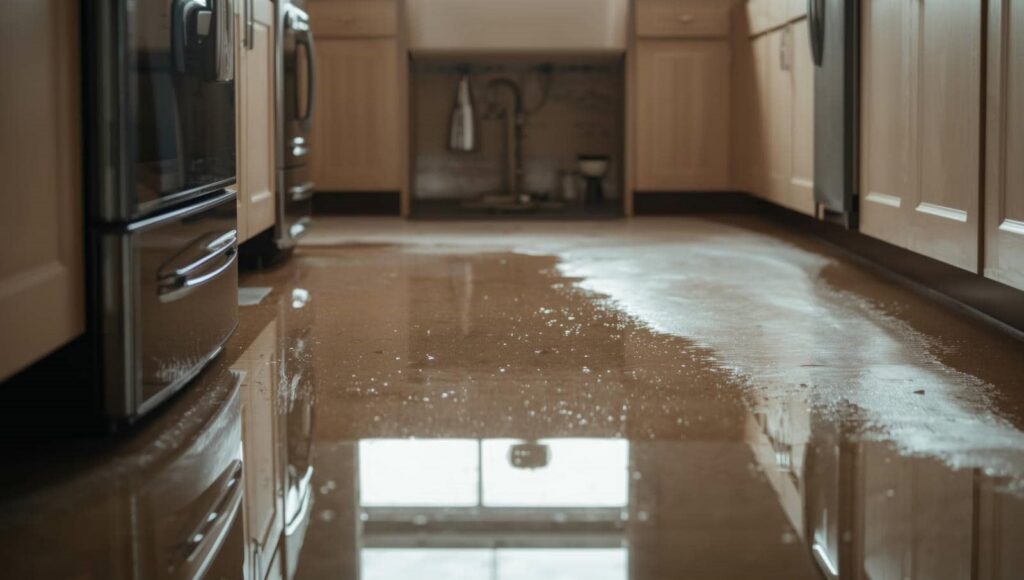
You might not realize that the first 24 to 48 hours after water damage are essential in preventing long-term issues like mold growth. Immediate assessment and safety measures are critical, as is quick extraction of standing water. Knowing the right techniques and equipment can make a significant difference in the restoration process. Understanding these key practices protects your property and ensures a smoother recovery. So, what steps should you take next?
Key Takeaways
- Assess the extent of water damage and prioritize safety before beginning restoration efforts.
- Extract standing water promptly using appropriate tools to minimize further damage and mold growth.
- Utilize drying equipment and promote ventilation to ensure all moisture is effectively removed.
- Document all damage thoroughly with photos and notes for insurance claims and future reference.
- Consider hiring professionals for extensive damage, mold issues, or to expedite the restoration process.
Understanding Water Damage Types and Their Impacts
When you face water damage, understanding its types and impacts is essential for effective restoration.
Water categories—clean, gray, and black—define the level of contamination and dictate the restoration approach. Clean water, from sources like broken pipes, poses minimal health risks, while gray water, from appliances, may contain contaminants. Black water, from sewage or flooding, is hazardous and requires immediate attention.
The damage consequences vary considerably based on the water category. Clean water typically leads to minor damage, while gray water can escalate into mold growth if not addressed quickly.
Black water can compromise structural integrity and health. By recognizing these categories and their impacts, you empower yourself to make informed decisions during the restoration process, fostering a sense of community and support.
Immediate Steps to Take After Water Damage
After experiencing water damage, your first step is to assess the situation to determine the extent of the flooding and any potential hazards.
Next, turn off utilities such as electricity and gas to prevent further damage and ensure safety.
Taking these actions promptly can greatly reduce risks and facilitate a more effective restoration process.
Assess the Situation First
Although water damage can be overwhelming, taking immediate action is essential for minimizing its impact. Start with a thorough damage evaluation—identify affected areas, noting visible water and any structural concerns.
Next, conduct a moisture assessment using a moisture meter to detect hidden dampness in walls and floors. This step helps you understand the extent of the problem and prioritize your response effectively.
Document your findings with photos and notes; this information can be invaluable for insurance claims or professional help later.
Turn Off Utilities
In the face of water damage, your first step should be turning off utilities to prevent further complications.
Start with utility disconnection—locate your main water shut-off valve and turn it off to stop the flood.
Next, ensure electrical safety by switching off the power at your circuit breaker. This minimizes the risk of electrocution and equipment damage.
If you smell gas, evacuate immediately and contact the utility company.
It’s essential to act quickly; the longer you wait, the greater the damage.
Once utilities are off, you create a safer environment for restoration efforts.
Essential Equipment for Water Damage Restoration
When tackling water damage restoration, having the right equipment is essential for effective and timely remediation. Start with water extraction tools, like pumps and vacuums, which help you remove standing water quickly and efficiently.
Once the water’s out, focus on drying equipment, such as dehumidifiers and air movers, to eliminate moisture from surfaces and the air. These tools work together to prevent mold growth and further damage, ensuring a thorough restoration process.
Invest in moisture meters to monitor humidity levels and confirm that your space is dry. By utilizing these essential pieces of equipment, you’ll create a safer environment for everyone involved, fostering a sense of community and belonging as you restore your space to its original condition.
Essential Safety Tips for Water Damage Cleanup
Before you plunge into water damage cleanup, it’s essential to prioritize safety to protect yourself and others. Following these essential safety tips will help you navigate the situation without unnecessary risks:
Wear appropriate safety gear: Use gloves, masks, and rubber boots to shield yourself from contaminants.
Ensure proper ventilation: Open windows and doors to reduce harmful fumes and promote airflow.
Maintain personal hygiene: Wash your hands frequently and avoid touching your face to minimize infection risk.
Shut off power: If water has entered electrical areas, turn off the electricity to prevent shocks.
Effective Drying Techniques for Water-Damaged Areas
Once you’ve confirmed safety during the cleanup, effective drying becomes your top priority.
Start by measuring moisture levels with a hygrometer to identify the most affected areas. Utilize dehumidifiers to extract excess moisture from the air; this speeds up drying and helps prevent secondary damage.
Place the dehumidifier in the center of the room, ensuring proper airflow around it. Fans can also be strategically positioned to enhance air circulation, especially in corners where moisture tends to linger.
Keep monitoring moisture levels regularly to ascertain your efforts are effective.
Remember, thorough drying is essential to restore your space and maintain a healthy environment.
Take these steps, and you’ll feel more secure in your restoration process.
Mold Prevention After Water Damage
To prevent mold growth after water damage, you need to act quickly by ensuring immediate water extraction.
Implementing proper ventilation techniques will help maintain low humidity levels, creating an environment that discourages mold.
Additionally, regular inspections and maintenance can catch potential issues early, keeping your space safe and dry.
Immediate Water Extraction
Acting swiftly, you can greatly reduce the risk of mold growth after water damage by prioritizing immediate water extraction.
Using effective water removal techniques and specialized extraction equipment is essential in this process. Here’s what you should focus on:
Identify the source: Determine where the water is coming from to stop further damage.
Use extraction equipment: Employ high-capacity pumps or vacuums to remove standing water quickly.
Assess affected areas: Inspect carpets, walls, and furniture for water saturation.
Act within 24-48 hours: The sooner you start, the less likely mold will develop.
Proper Ventilation Techniques
While immediate water extraction is essential, proper ventilation techniques play an important role in preventing mold growth after water damage. You need to ensure ideal air circulation throughout the affected area.
Start by opening windows and doors to promote fresh airflow. Use ventilation systems like fans and dehumidifiers to expedite the drying process. Position fans strategically to create cross-ventilation, which helps in removing moisture-laden air.
Additionally, check for any obstructions in vents that might hinder airflow. Regularly monitor humidity levels; aim for below 60% to inhibit mold growth.
Regular Inspections and Maintenance
Regular inspections and maintenance are essential for preventing mold growth after water damage, as they allow you to identify potential issues before they escalate.
Implementing preventive measures through routine checks can save you from costly repairs and health risks.
Here are key steps to follow:
- Check for leaks in plumbing and appliances regularly.
- Inspect areas prone to moisture, such as basements and bathrooms.
- Monitor humidity levels to ensure they stay below 60%.
- Clean and maintain gutters to prevent water accumulation.
How to Document Water Damage for Insurance Claims?
Documenting water damage for insurance claims is essential for ensuring you receive the compensation you deserve. Start by taking thorough photo documentation of the affected areas, showing the extent of the damage from various angles.
Capture close-ups of any damaged materials, like flooring and walls, as well as broader shots for context. Keep a detailed record of dates, times, and descriptions of the damage, noting any immediate actions you took.
Maintain clear insurance communication by notifying your insurer promptly and providing them with all necessary documentation, including photos and written records.
This organized approach strengthens your claim and fosters a sense of community as you work through the process with your insurance provider.
When to Call in Professional Restoration Services
Recognizing when to call in professional restoration services can greatly impact the outcome of your water damage recovery.
If you notice any of the following issues, it’s time to reach out for help:
Widespread damage: When the water has affected multiple areas of your home.
Mold growth: If you spot mold or mildew, immediate action is essential.
Structural concerns: When water has compromised walls, ceilings, or floors.
Time constraints: If you’re facing a tight timeline, emergency services can expedite the restoration process.
Professional water restoration experts can assess the damage, implement effective solutions, and ensure thorough cleanup, reducing long-term risks to your home.
Don’t hesitate to seek assistance—your home deserves the best care.
Frequently Asked Questions
How Long Does the Water Damage Restoration Process Usually Take?
The water damage restoration process usually takes 3 to 7 days. You’ll start with water extraction, followed by thorough mold remediation to prevent further issues, ensuring your space is safe and restored effectively.
Can I Attempt Restoration Without Professional Help?
You can attempt restoration without professional help, but be cautious— water damage repairs fail. Use effective DIY techniques and prioritize safety precautions to protect yourself and ensure proper recovery.
What Are the Costs Associated With Water Damage Restoration?
Water damage restoration costs vary, often influenced by insurance claims and the restoration equipment needed. You’ll need to evaluate factors like labor, materials, and potential structural repairs to effectively assess your financial commitment.
How Can I Prevent Future Water Damage?
To prevent future water damage, implement effective waterproofing methods and install proper drainage solutions. Regularly inspect your property for leaks, maintain gutters, and ensure downspouts direct water away from your foundation for lasting protection.
What Should I Do With Damaged Personal Belongings?
Assess your damaged belongings and create a personal inventory. Use salvage techniques like drying, cleaning, or restoring items where possible. Discard irreparable items responsibly to minimize loss and protect your remaining possessions.
Wrap-Up
In the domain of water damage restoration, acting swiftly is your best defense. By employing essential equipment and effective drying techniques, you can mitigate damage and curb mold growth. Don’t forget to document everything for insurance—not doing so is like trying to catch fish with a net full of holes. If the situation feels overwhelming, don’t hesitate to call in the pros. They’ve got the expertise to ensure your space returns to its former glory, free of long-term risks.