
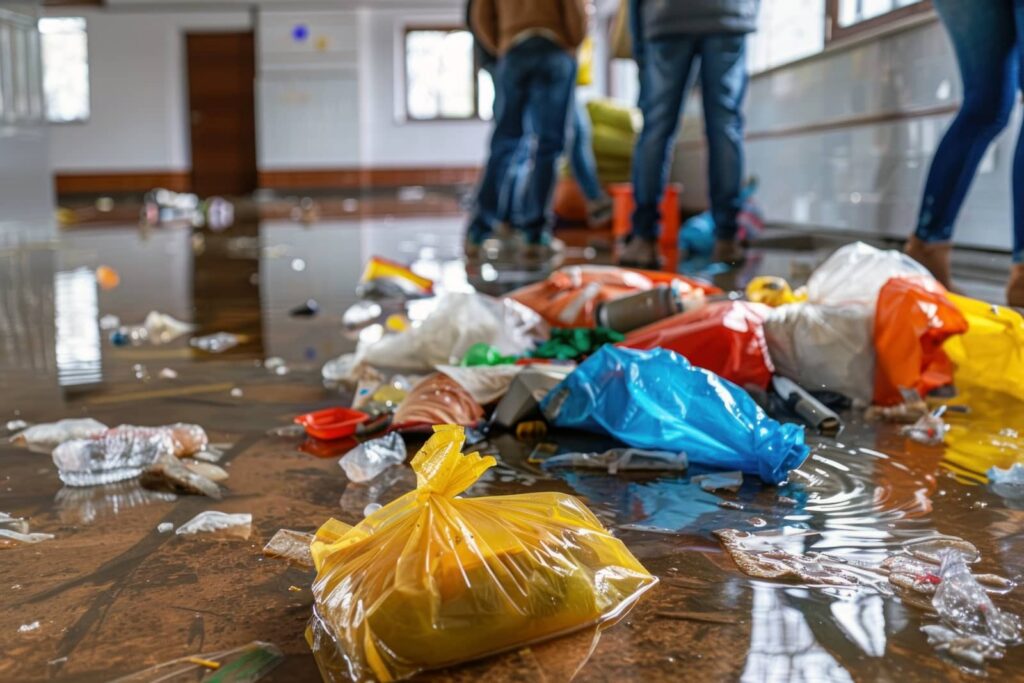
Home Water Removal is essential when water invades your home, because quick action can help prevent further damage and mold. You’ve got several DIY methods at your disposal, from using a wet/dry vacuum to employing towels for smaller spills. Understanding the right tools and techniques can make a significant difference. But what about the hidden moisture that lingers after the initial cleanup? Let’s explore effective strategies to tackle water removal and ensure your space stays dry and safe.
Key Takeaways
- Use a wet/dry vacuum to efficiently remove standing water from floors and carpets.
- Deploy submersible pumps for deeper water levels in basements or flooded areas.
- Increase air circulation with heavy-duty fans to expedite the drying process.
- Utilize dehumidifiers to reduce moisture levels and prevent mold growth.
- Identify and fix the water source to prevent future accumulation before starting cleanup.
Why You Need to Remove Water Fast
When water starts to accumulate in your home, it’s essential to act quickly, as delays can lead to significant damage.
Water damage threatens your home’s structural integrity and poses serious health risks. Mold growth can begin within 24-48 hours, impacting air quality and creating a hazardous living environment.
A quick response minimizes these risks and safeguards your property value. If you wait too long, you might face complications with insurance claims, as many policies require prompt action to cover damages.
Being prepared for emergencies by knowing how to handle water accumulation can save you time, money, and stress.
Don’t wait; protect your home and loved ones by addressing water issues immediately.
Essential Tools for Effective Water Removal
To tackle water removal effectively, you’ll need the right tools on hand.
Start with essential equipment like wet/dry vacuums and sump pumps to quickly eliminate standing water.
Don’t forget protective gear, such as gloves and boots, to keep yourself safe while you work.
Essential Water Removal Equipment
Having the right tools can make all the difference when tackling water removal at home. Start with a reliable wet/dry vacuum; it’s essential for sucking up water quickly and efficiently.
Consider adding submersible pumps to your arsenal for deeper water issues, especially in basements. You’ll also want to invest in moisture meters to detect hidden dampness, which helps in implementing effective flood recovery strategies.
Heavy-duty fans and dehumidifiers are vital for drying out affected areas, ensuring you prevent mold growth. Finally, don’t forget personal protective equipment like gloves and masks to keep yourself safe.
With these water removal systems in place, you’ll be well-prepared to handle any water-related challenges that come your way.
Effective Pumping Solutions
While water removal might seem intimidating, effective pumping solutions can simplify the process considerably. You’ll want to take into account various pumping methods, like submersible pumps and utility pumps, which are designed for quick and efficient water removal.
Submersible pumps are ideal for deeper water levels, while utility pumps work well in shallower areas.
For drainage solutions, make sure you choose a pump with the right capacity to handle your specific needs. Don’t forget to have hoses and connectors on hand to direct the water away from your home, preventing further issues.
Familiarizing yourself with these tools not only boosts your confidence but also creates a sense of belonging within your DIY community. With the right pumping solution, you’ll tackle water removal like a pro.
Protective Gear Necessities
When it comes to effective water removal, investing in the right protective gear is essential to safeguard yourself from potential hazards.
Start with a solid gloves selection; look for waterproof, durable options that can handle sharp objects and prevent skin contact with contaminated water. This will protect your hands from cuts and bacteria.
Next, don’t overlook eye protection. Safety goggles or glasses will shield your eyes from splashes and debris, ensuring you can work without distractions or injuries.
Consider wearing a mask, especially if you’re dealing with mold or chemicals.
With the right gear, you’ll feel more confident tackling the task at hand, knowing you’re taking the necessary steps to keep yourself safe and healthy.
Proven Techniques for Efficiently Draining Standing Water
When tackling standing water at home, utilizing a sump pump can be a game changer for efficient drainage.
If you don’t have one, a wet vacuum is another practical option that can help you remove water quickly and effectively.
Both methods are straightforward and can save you a lot of hassle in the long run.
Sump Pump Utilization
To effectively tackle standing water, utilizing a sump pump can be one of your best solutions. There are various sump pump types, including submersible and pedestal pumps, each suited for different needs and spaces.
Make certain you choose one that fits your home’s specific requirements. Regular sump pump maintenance is essential; check the pump’s functionality and clean the inlet screen to prevent clogs.
Also, make sure the discharge pipe directs water away from your foundation. By being proactive and prepared, you create a safer environment for your family.
With the right sump pump and a little effort, you can efficiently manage standing water and protect your home from potential damage.
Wet Vacuum Techniques
Using a wet vacuum can be a game-changer when it comes to efficiently draining standing water from your home.
First, choose the right wet vacuum type for your needs—portable models work well for small areas, while larger ones handle extensive flooding.
Before starting, check the vacuum’s filters and hoses for any clogs. Proper wet vacuum maintenance is essential; empty the tank frequently and clean the filters to ensure peak performance.
As you work, use a slow and steady motion to prevent splashing.
After draining, consider drying out the area thoroughly to prevent mold growth.
Safely Using Towels and Mops for Cleanup
Although water removal can feel overwhelming, properly using towels and mops can make the process efficient and effective.
Start with towel techniques: use absorbent towels to blot up water, pressing down firmly to soak up as much liquid as possible. Rotate and wring out the towels frequently to maintain their effectiveness.
For larger areas, mop methods are key. Use a damp mop to gather excess water, ensuring it’s not dripping wet to avoid spreading moisture. Work in sections, moving from clean areas to the affected spots.
After mopping, rinse the mop regularly to prevent dirt buildup. By combining these techniques, you’ll create a cleaner, drier environment, making your home feel welcoming again.
Natural Ways to Dehumidify After Water Removal
Once you’ve tackled the initial water removal, it’s essential to dehumidify your space to prevent mold and mildew. You can use natural methods to achieve this, ensuring your home feels fresh and safe.
Start by fostering natural air circulation; open windows and doors to let fresh air flow through.
Consider these homemade dehumidifiers:
- Baking Soda: Place bowls around your space to absorb moisture effectively.
- Rock Salt: Fill a container with rock salt to draw out humidity.
- Charcoal Briquettes: These can absorb moisture and odors, keeping your area drier.
Tips for Preventing Mold Growth Post-Cleanup
To effectively prevent mold growth after cleanup, you must maintain a dry environment and monitor for moisture.
Start by using dehumidifiers to keep humidity levels below 60%. Regularly check areas prone to dampness, like basements and bathrooms, and ensure proper ventilation. Open windows when possible and use exhaust fans to circulate air.
If you notice any leaks, fix them promptly to avoid water accumulation. Consider applying mold-resistant paint in vulnerable areas to enhance mold prevention.
Regularly inspect your home for signs of moisture, like discoloration or a musty smell, and address these issues immediately.
When to Call a Professional for Water Removal?
If you find yourself facing significant water damage, it’s essential to recognize when it’s time to call in a professional for help.
Ignoring the signs can lead to more extensive damage and costly repairs. Here are some key indicators:
- Extent of Water Damage: If the water covers a large area or is deeper than a few inches, you need emergency response.
- Hidden Water: If you suspect water behind walls or under floors, a professional’s damage assessment is vital.
- Mold Growth: If mold is already forming, it’s time to bring in experts to handle the situation safely.
Don’t hesitate to seek professional help; it’s a smart investment in the long-term health of your home.
Common Mistakes to Avoid During Water Extraction
While tackling water extraction on your own can save you money, it’s easy to make mistakes that could worsen the situation. One common error is neglecting water source identification; without knowing where the water is coming from, you might waste time and effort.
Make sure to locate and stop the source before starting cleanup.
Another mistake is skipping thorough drying. If you don’t dry all affected areas, you risk mold growth, which can lead to bigger problems down the line.
Additionally, using improper equipment can exacerbate the issue. Instead of relying solely on towels, consider using a wet/dry vacuum for effective extraction.
Avoid these common cleanup errors, and you’ll protect your home and make your DIY efforts more successful.
Frequently Asked Questions
How Can I Assess the Extent of Water Damage in My Home?
To assess water damage, start with a thorough damage assessment. Use moisture detection tools like a hygrometer or moisture meter to identify affected areas. Check walls, floors, and ceilings for signs of dampness or mold growth.
What Should I Do if My Electricity Is Affected by the Water?
If water’s creeping like a silent thief, cut the power at the main switch. Ensure water safety by avoiding wet areas, and beware of electrical hazards. Call an electrician for professional help to restore safety.
Are There Specific Safety Precautions to Take During Water Removal?
When removing water, wear safety gear like gloves and boots. Keep emergency contacts handy in case of hazards. Always assess your surroundings for electrical risks, ensuring your safety’s a priority throughout the process.
How Long Does It Usually Take for a Home to Dry Completely?
A home typically takes 5 to 7 days to dry completely. Using effective drying techniques and moisture monitoring ensures you stay on track, helping you reclaim your space and fostering a sense of comfort and belonging.
What Types of Insurance Cover Home Water Removal Costs?
Your homeowners policy often covers water damage, but check your coverage limits. Flood insurance might be necessary for specific situations. Review your policies to ensure you’re protected against potential water removal costs.
Conclusion
Removing water quickly is essential to prevent extensive damage and mold growth in your home. By using the right tools and techniques, you can tackle water removal like a pro and restore your space in no time. Remember, staying vigilant and addressing the source of the water is key—like fighting a dragon before it wreaks havoc! If the situation feels overwhelming, don’t hesitate to call in professionals. Your home deserves the best care.