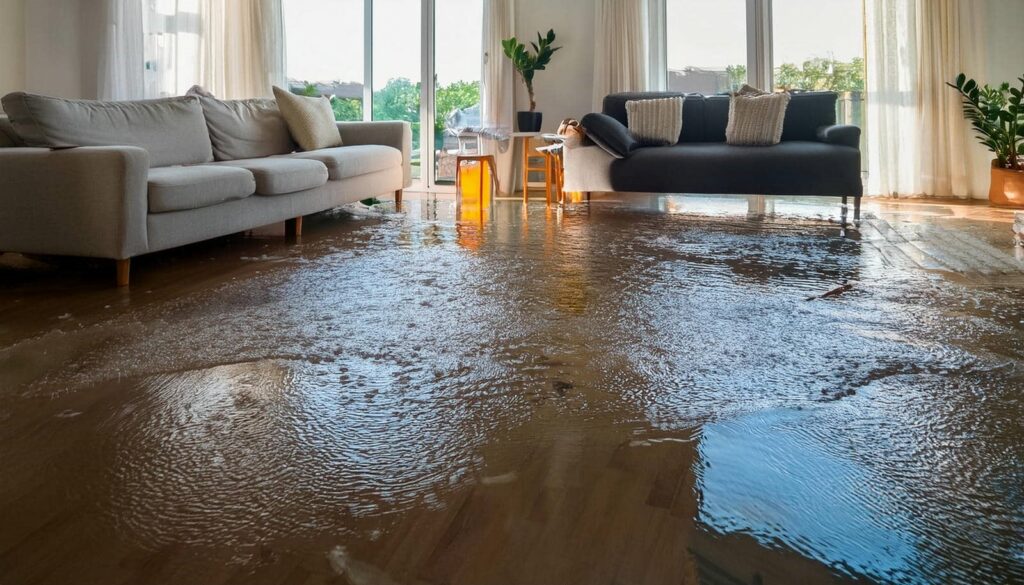
When facing flood damage, you know the right tools can make all the difference in a successful cleanup. From protective gear to effective drying equipment, having the essentials on hand isn’t just practical—it’s crucial for your safety and the integrity of your home. You’ll want to reflect on everything from moisture meters to community tech solutions. Let’s explore what you truly need to tackle this challenge effectively.
Key Takeaways
- Wear protective gear, such as gloves and masks, to ensure safety during flood damage cleanup.
- Utilize wet/dry vacuums and dehumidifiers for effective water and moisture removal.
- Employ air movers to enhance air circulation and expedite drying in affected areas.
- Use moisture meters and assessment tools to evaluate structural damage and moisture levels.
- Consider renting equipment for short-term needs or buying for frequent use to ensure reliability.
How to Approach Flood Cleanup: Essential Tools and Techniques
When facing the aftermath of a flood, it’s essential to tackle cleanup with the right tools and techniques to ensure your safety and restore your space effectively.
Start by prioritizing flood safety; wear gloves, masks, and sturdy boots to protect yourself from contaminants. You’ll need a sturdy shovel for debris, a mop, and a bucket for draining water. A wet/dry vacuum can help you remove excess moisture efficiently.
Create a cleanup timeline to keep you organized and focused, ensuring you address the most critical areas first.
Top Drying Equipment for Flooded Areas
After addressing immediate safety and debris removal, your next focus should be on drying out the affected areas to prevent mold and further damage.
Effective drying equipment is essential for restoring your space. Consider these key tools:
Dehumidifier options: Choose from portable or whole-home units to remove excess moisture efficiently.
Air mover benefits: These powerful fans circulate air, speeding up the drying process and ensuring even airflow throughout the area.
Moisture meters: Use these to monitor humidity levels and track your progress.
Investing in the right drying equipment helps you reclaim your space and fosters a sense of community as you work to restore your home together.
Flood Cleanup Supplies to Prevent Mold
When tackling flood cleanup, it’s vital to have the right supplies on hand to prevent mold from taking over.
You’ll need essential cleaning products that target moisture and bacteria, along with moisture control techniques to keep your space dry.
Don’t forget protective gear to keep yourself safe while you work; your health is just as important as the cleanup itself.
Essential Cleaning Products
As you tackle flood damage cleanup, having the right cleaning products on hand can make all the difference in preventing mold growth.
You’ll want to choose effective cleaning agents that are also eco-friendly, ensuring safety for your family and the environment.
Consider stocking up on:
- Hydrogen peroxide: This powerful cleaner kills mold spores effectively.
- Baking soda: A natural deodorizer that helps absorb excess moisture and odors.
- Vinegar: This versatile product cleans and discourages mold growth.
These essential supplies will help you create a safe space as you navigate this challenging time.
Moisture Control Techniques
To effectively combat mold growth during flood cleanup, you’ll need to implement moisture control techniques that address lingering dampness in your home.
Start by using moisture detection tools like hygrometers to check humidity levels. Ideally, keep indoor humidity below 60% to prevent mold.
Invest in dehumidifiers to help regulate moisture, especially in damp areas. Ensure proper ventilation by opening windows or using fans to circulate air.
If possible, remove soaked materials promptly; the quicker you act, the better your chances of preventing mold.
Remember, it’s not just about cleanup—it’s about creating a safe, healthy environment for you and your loved ones.
Your efforts in humidity regulation can make all the difference in restoring your home.
Protective Gear Necessities
While tackling flood cleanup, protecting yourself with the right gear is essential to prevent mold exposure and ensure your safety.
Following proper safety protocols shields you and fosters a sense of community among those in similar situations.
Here’s what you’ll need for effective protection:
N95 respirator masks: These filter out harmful spores and dust, keeping your airways clear.
Waterproof gloves: They provide a barrier against contaminated materials, ensuring your hands stay safe.
Sturdy boots: A solid pair keeps your feet dry and protected from debris.
Essential Protective Gear for Flood Cleanup
When you’re tackling flood cleanup, having the right protective gear is essential for your safety.
Invest in sturdy, waterproof footwear to keep your feet dry and prevent injuries, and don’t forget about personal protective equipment like gloves and masks to shield yourself from contaminants.
This gear protects you physically and gives you peace of mind as you work through the challenging cleanup process.
Proper Footwear Selection
Choosing the right footwear is essential for your safety during flood cleanup, especially since standing water can conceal sharp objects and hazardous debris. You’ll want to invest in water-resistant boots to keep your feet dry and protected.
Look for features like slip-resistant soles to help you navigate slippery surfaces with confidence.
Sturdy construction: Ensures durability against sharp objects lurking beneath the water.
Comfortable fit: Allows you to move freely, making your cleanup efforts less exhausting.
Easy to clean: Makes post-cleanup care a breeze, keeping you ready for the next challenge.
With the right footwear, you protect yourself and feel a sense of belonging in your community’s recovery efforts.
Stay safe and strong!
Personal Protective Equipment
In the aftermath of a flood, having the right personal protective equipment (PPE) is essential for your safety and well-being. You’ll need sturdy gloves, goggles, and a mask to shield yourself from hazardous materials and contaminants.
Remember, adhering to safety protocols protects you and fosters a sense of community among those working together to recover. Invest in durable gear and practice regular gear maintenance to ensure everything remains effective and reliable.
This commitment to your safety helps you feel more secure as you navigate the challenging cleanup process. By prioritizing PPE, you’re not just safeguarding yourself; you’re also contributing to a safer environment for everyone involved in the recovery efforts.
Tech Tools to Track Damage
As you navigate the aftermath of a flood, leveraging tech tools can simplify the challenging task of tracking damage. Utilizing tracking software can help you perform a thorough damage assessment, providing real-time updates that keep you informed.
Here’s how these tools can assist you:
Document damage: Capture photos and notes for accurate insurance documentation.
Organize repairs: Keep track of what needs fixing, ensuring nothing gets overlooked.
Communicate efficiently: Share updates with family, friends, or contractors, fostering a sense of community.
These resources help you manage the situation and provide a structured approach to recovery, so you feel supported and connected during this tough time.
Dispose of Contaminated Materials Safely
When floodwaters recede, the next important step is ensuring you dispose of contaminated materials safely.
It’s essential to recognize that many items, like carpets and drywall, can harbor harmful bacteria and mold. Start by identifying hazardous waste and separating it from salvageable items.
Check local regulations for disposal procedures, as improper handling can pose health risks to you and your community. Wearing protective gear is necessary; gloves and masks can safeguard you while you work.
Consider contacting local waste management services for guidance—they can often provide specific instructions tailored to your area.
Restoration Tools for Structural Integrity
While floodwaters can wreak havoc on your home’s structural integrity, having the right restoration tools at your disposal can make a world of difference.
Begin with a thorough structural assessment to identify hidden damage. Then, gather essential tools for effective foundation repair:
Moisture Meters: These help detect lingering dampness, ensuring you tackle all issues.
Laser Levels: Perfect for checking alignment and making sure everything’s level post-repair.
Jack Posts: Essential for providing temporary support while you fix any compromised beams.
These tools aid in restoring your home and help you regain peace of mind.
Choosing the Right Cleanup Equipment
Restoring your home after flood damage involves more than just fixing structural issues; it requires the right cleanup equipment to tackle the aftermath effectively.
Start by identifying essential cleanup equipment types, like wet/dry vacuums, dehumidifiers, and air movers. Each plays a vital role in removing water and moisture, preventing mold growth.
Don’t forget to prioritize equipment maintenance tips, such as cleaning filters and checking hoses, to ensure everything operates smoothly. This attention to detail enhances efficiency and fosters a sense of community as you share experiences and support one another.
Choosing the right tools can make a challenging journey more manageable, helping you reclaim your space and restore your home to its former glory.
Renting vs. Buying: Best Options for Flood Cleanup?
How do you decide between renting or buying equipment for flood cleanup? It often depends on your specific needs and long-term plans. Here’s a practical cost comparison to guide you:
Renting equipment: Ideal for short-term projects or emergencies, allowing you to access high-quality tools without the upfront cost.
Buying options: A smart long-term investment if you anticipate frequent use, providing you with reliability and convenience at your fingertips.
Maintenance and storage: Owning equipment means you’ll need to evaluate upkeep and where to store your tools when not in use.
Ultimately, weigh your situation carefully. You want to feel secure and equipped to tackle any flood damage, knowing you’ve made the right choice for your cleanup efforts.
Frequently Asked Questions
How Long Does Flood Cleanup Typically Take to Complete?
Flood cleanup duration varies, usually spanning days to weeks, depending on damage severity and response efficiency. You’ll want to act quickly, as prompt action helps minimize damage and restore your space faster.
What Are the Health Risks Associated With Floodwater Exposure?
Floodwater can harbor over 30 types of pathogens, putting you at risk for infections. You must take health precautions, like wearing protective gear, to stay safe while traversing this dangerous environment. Your health matters!
Should I Contact My Insurance Before Starting Cleanup?
Yes, you should contact your insurance first. Starting the cleanup without notifying them can complicate your insurance process and delay your cleanup timeline. They’ll guide you on necessary precautions and documentation to ensure coverage.
Can I Use Regular Household Items for Flood Cleanup?
Yes, you can use regular household items for flood cleanup. Gather cleaning supplies like buckets and mops for water extraction. Just make sure you prioritize safety and tackle one area at a time for effective results.
What Should I Do if I Find Hazardous Materials?
If you find hazardous waste, prioritize safety precautions. Wear protective gear, avoid direct contact, and ventilate the area. Contact local authorities for proper disposal guidance. Your safety and health matter, so don’t hesitate to ask for help.
Recap
In flood cleanup, having the right tools and techniques not only speeds up the process but also safeguards your health and home. As you engage in this challenging task, remember that each piece of equipment plays an essential role in preventing mold and restoring structural integrity. By carefully considering whether to rent or buy, you can tailor your approach to your needs. With the right support and resources, you can navigate this tough journey and reclaim your space.