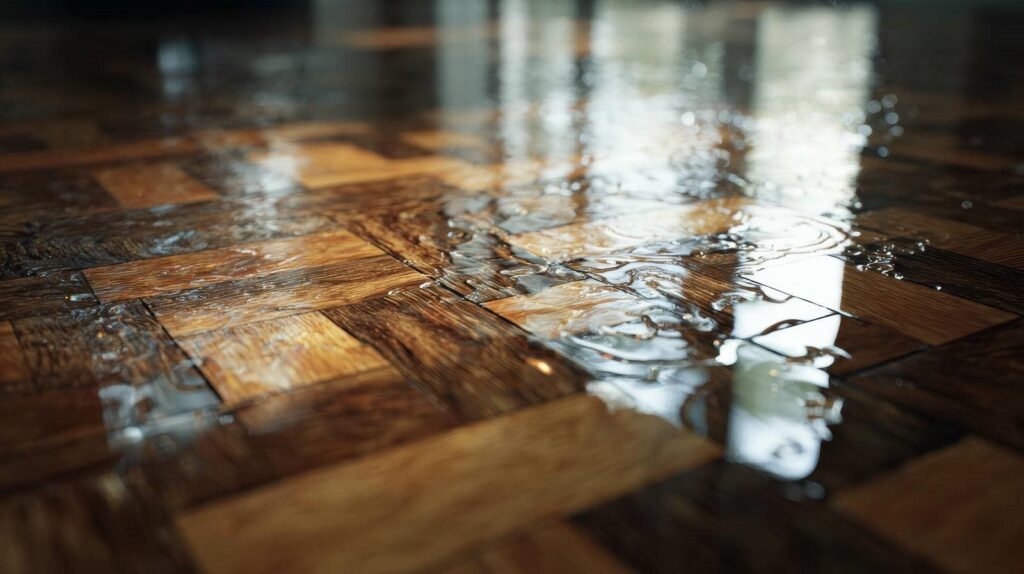
Water damage can turn your home into a disaster zone in a matter of minutes. Water Damage Restoration is essential for effectively tackling this issue, as it helps minimize damage and restore your property as quickly as possible. To achieve the best results, it’s vital to understand the types of damage and the necessary steps for restoration. Knowing when to call in professionals and how to assess the situation can make all the difference. Let’s explore essential tips that ensure you navigate the restoration process smoothly and efficiently.
Key Takeaways
- Assess Damage Thoroughly: Conduct a detailed inspection to identify both visible and hidden water damage before initiating restoration efforts.
- Document Everything: Capture photographic evidence and inventory damaged items to support insurance claims and ensure accurate restoration.
- Prioritize Safety: Wear appropriate safety gear and turn off power and gas supplies to minimize risks during cleanup and restoration.
- Utilize Professional Expertise: Engage certified professionals for extensive damage or contaminated water situations to ensure effective and safe restoration.
- Invest in Proper Equipment: Use advanced tools for moisture detection and high-powered drying to expedite the restoration process and prevent future issues.
Understanding the Different Types of Water Damage
When you encounter water damage, it’s essential to recognize that not all types are the same. There are three main water categories: clean, gray, and black.
Clean water originates from sources like broken pipes, presenting minimal health risks. Gray water, from appliances like dishwashers, may contain contaminants and requires careful handling. Black water, stemming from sewage or flooding, poses significant health hazards and demands immediate professional intervention.
Understanding these water categories helps you identify damage sources and informs your restoration methods. For instance, clean water damage may involve simple drying techniques, while black water requires extensive sanitation and removal.
Recognizing the type of water damage you face ensures effective restoration and protects your health and property.
How to Assess Damage and Document for Insurance?
To effectively assess water damage and document it for insurance purposes, start by prioritizing a thorough inspection of the affected areas.
Your damage evaluation should focus on visible and hidden damage alike. Follow these steps for an efficient documentation process:
- Take Photos: Capture clear images of all affected areas, including walls, floors, and personal belongings. These will serve as essential evidence.
- List Damaged Items: Create an inventory of damaged or destroyed items, noting their value and condition. This helps substantiate your claim.
- Record Water Source: Document the source of the water damage, whether it’s a leaky pipe or flooding, as this is critical for insurance purposes.
Key Safety Precautions for Water Damage Cleanup
Before diving into water damage cleanup, it’s essential to prioritize safety to avoid potential hazards. Start by wearing appropriate safety gear, including gloves, masks, and waterproof boots, to protect yourself from contaminants.
Confirm you’re aware of hazards, such as electrical risks or structural instability, before entering the affected area. Turn off power and gas supplies to minimize risks, and always check for mold, which can pose serious health threats.
Keep a first aid kit nearby and know how to use it. Communicating with your team about potential dangers fosters a collective sense of safety.
Steps for Water Damage Restoration
Three essential steps form the foundation of effective water damage restoration: assessment, drying, and repair. By following these steps, you’ll ensure a thorough process that minimizes further damage.
- Assessment: Start with moisture detection methods to identify the extent of the damage. This helps you understand where to focus your efforts.
- Drying: Utilize effective water extraction techniques to remove standing water. After extraction, employ dehumidifiers and fans to thoroughly dry the affected areas.
- Repair: Once everything is dry, address structural damage, replace any compromised materials, and ensure everything is restored to its original condition.
Preventing Mold After Water Damage: Best Practices
After completing the initial steps of assessment, drying, and repair, the next focus should be on preventing mold growth, which can develop rapidly in damp environments.
Implement effective mold prevention strategies by ensuring all affected areas are thoroughly dried within 24 to 48 hours. Use humidity control techniques, such as dehumidifiers and air conditioning, to maintain indoor humidity levels below 60%.
Regularly inspect hidden areas like behind walls or under carpets, as mold can thrive unnoticed. Ensure proper ventilation in bathrooms and kitchens to reduce moisture accumulation.
Finally, consider applying mold-resistant products during repairs to enhance long-term protection against mold growth.
When to Choose DIY or Call Professionals for Water Damage Restoration
When evaluating water damage, it’s essential to determine its severity.
If the damage is extensive or requires specialized equipment you don’t have, calling professionals is often the best choice.
On the other hand, minor leaks or surface issues might be manageable with DIY methods if you’re equipped and knowledgeable.
Assessing Damage Severity
How can you determine whether to tackle water damage restoration yourself or call in professionals? Start by evaluating the damage severity using specific damage indicators on the severity scale.
Here are three key factors to take into account:
- Extent of Damage: If water has affected large areas or multiple rooms, it’s best to consult professionals.
- Type of Water: Contaminated water (like sewage) poses significant health risks, making DIY unsafe.
- Structural Concerns: If you notice sagging ceilings or warped floors, structural integrity is at stake, and experts should handle it.
Understanding these elements will help you make an informed decision on whether to take on the challenge yourself or seek professional assistance for effective restoration.
Required Equipment Availability
While evaluating water damage, having the right equipment on hand is vital for effective restoration. If you’re considering a DIY approach, you’ll need specific equipment types like dehumidifiers, water extractors, and moisture meters. These tools help you assess the situation and prevent further damage.
However, rental options are available if you don’t own them.
For extensive damage or if you’re unsure about the process, calling professionals is wise. They come equipped with advanced technology and expertise that ensures thorough restoration.
Must-Have Gear for Water Damage Restoration
To effectively tackle water damage restoration, having the right gear at your disposal is essential. You’ll want to invest in these must-have items:
- Moisture Meters: These essential tools help you detect hidden moisture levels, ensuring you address all affected areas.
- Water Extraction Equipment: High-capacity pumps and vacuums are vital for quickly removing standing water, preventing further damage.
- Air Movers and Dehumidifiers: These restoration supplies facilitate rapid drying, minimizing mold growth and structural issues.
Equipping yourself with the right gear isn’t just about efficiency; it fosters a sense of belonging within the restoration community.
With the right tools, you’ll be ready to handle any water damage situation that comes your way.
The Role of Technology in Water Damage Restoration
In the modern landscape of water damage restoration, technology plays a pivotal role in enhancing efficiency and accuracy. Smart sensors are revolutionizing the industry by providing real-time data on moisture levels, allowing you to pinpoint problem areas quickly. This means you can act faster, reducing the risk of further damage.
Additionally, drone inspections offer a unique perspective, enabling you to assess hard-to-reach areas without risking safety. By utilizing these advanced tools, you can ensure a thorough evaluation and restoration process.
Embracing technology streamlines your work while fostering a sense of community among professionals who prioritize quality and precision. As you lean into these innovations, you’ll find a supportive network dedicated to excellence in water damage restoration.
How to Choose a Water Damage Restoration Service?
How can you ensure you’re choosing the right water damage restoration service? Start by evaluating key factors that confirm you receive quality assistance.
- Service Reputation: Research online reviews and ask for recommendations. A company with a solid reputation indicates reliability and expertise.
- Certifications: Verify the service provider has the necessary certifications and training. This illustrates their commitment to industry standards.
- Cost Estimates: Request detailed cost estimates before committing. Transparent pricing helps you avoid unexpected charges and confirms you understand the scope of work.
Frequently Asked Questions
How Quickly Should I Act After Discovering Water Damage?
You should act immediately after discovering water damage. Begin with a thorough water damage assessment to identify the source and extent. Quick action can minimize further damage and reduce restoration costs considerably. Don’t delay; every moment counts.
Will My Homeowner’s Insurance Cover Water Damage Restoration Costs?
Your homeowner’s insurance might cover water damage restoration, but maneuvering through the claim process can feel like wading through a flooded basement. Check your policy for specifics on insurance coverage to avoid unexpected surprises later.
Can Water Damage Affect My Home’s Structural Integrity?
Yes, water damage can seriously affect your home’s structural integrity. It can lead to mold growth and foundation issues, compromising the safety and value of your property. Addressing water damage promptly is essential for prevention.
What Are the Long-Term Effects of Untreated Water Damage?
Untreated water damage can lead to persistent mold growth, creating hidden health risks that linger like shadows in your home. You might face respiratory issues and allergies, compromising your family’s well-being and comfort over time.
How Can I Prevent Future Water Damage Incidents?
To prevent future water damage, implement effective drainage solutions and maintain humidity control. Regularly inspect your property for leaks and ensure gutters are clear. These proactive measures will protect your home and enhance its longevity.
Review
You should prioritize expertise, thoroughly assess the damage, and ensure safety during water damage restoration. You must compare estimates, utilize advanced technology, and follow best practices to prevent mold growth. By knowing when to DIY or call in professionals, and by equipping yourself with the right gear, you set the stage for effective restoration. Trustworthy service providers will ensure a successful outcome, safeguarding your property and peace of mind for the future.