When faced with a sewage flood, your immediate response is vital. You need to assess the situation quickly and stop any ongoing contamination. Wearing protective gear is non-negotiable, as exposure can pose significant health risks. Understanding effective water removal techniques and proper disinfection methods will be imperative for a successful cleanup. Yet, many overlook important steps that can impact the outcome. Let’s explore these strategies further to ensure you’re prepared for any challenges ahead.
Key Takeaways
- Assemble an emergency kit with protective gear, disinfectants, and first aid supplies to ensure safety during cleanup efforts.
- Use industrial pumps for rapid water extraction, followed by wet/dry vacuums to remove residual moisture effectively.
- Ventilate affected areas by opening windows and using fans to reduce airborne contaminants and odors.
- Assess damage carefully; if water levels are significant or health risks are present, seek professional assistance immediately.
- Implement long-term prevention strategies, such as improving drainage and regular infrastructure checks, to minimize future flood risks.
Understanding the Dangers of Sewage Floods
Understanding the dangers of sewage floods is essential, especially since exposure can lead to serious health risks. Contaminated water often carries pathogens like bacteria, viruses, and parasites, which can cause gastrointestinal illnesses and skin infections.
You need to be aware of common contamination sources, such as broken sewer lines, stormwater runoff, and industrial discharges. Even brief contact with contaminated water can pose significant health threats. The material may also harbor harmful chemicals, adding another layer of risk.
Recognizing these dangers isn’t just about safeguarding your health; it’s about protecting your community. By understanding the implications of sewage floods, you contribute to a collective awareness that fosters safety and preparedness among your peers.
How to Prepare for Sewage Flood Cleanup
Preparing for sewage flood cleanup is essential to ensure safety and efficiency during the process. Start by assembling an emergency kit, which should include gloves, masks, disinfectants, and a first aid kit.
Create a cleanup checklist that outlines the necessary steps and tools needed for the task. Assess the situation to determine if professional help is required; if so, document the damage for insurance purposes.
Make sure you have a reliable source of information about local regulations regarding waste disposal. Finally, establish a communication plan with family or team members to coordinate efforts effectively.
Safety First: Protective Gear for Cleanup
When tackling sewage flood cleanup, wearing appropriate protective gear is essential for your safety and health. Exposure to contaminated water poses significant health risks, so equip yourself properly.
Here’s a list of vital protective equipment you should wear:
Rubber boots: These keep your feet dry and shield against harmful pathogens.
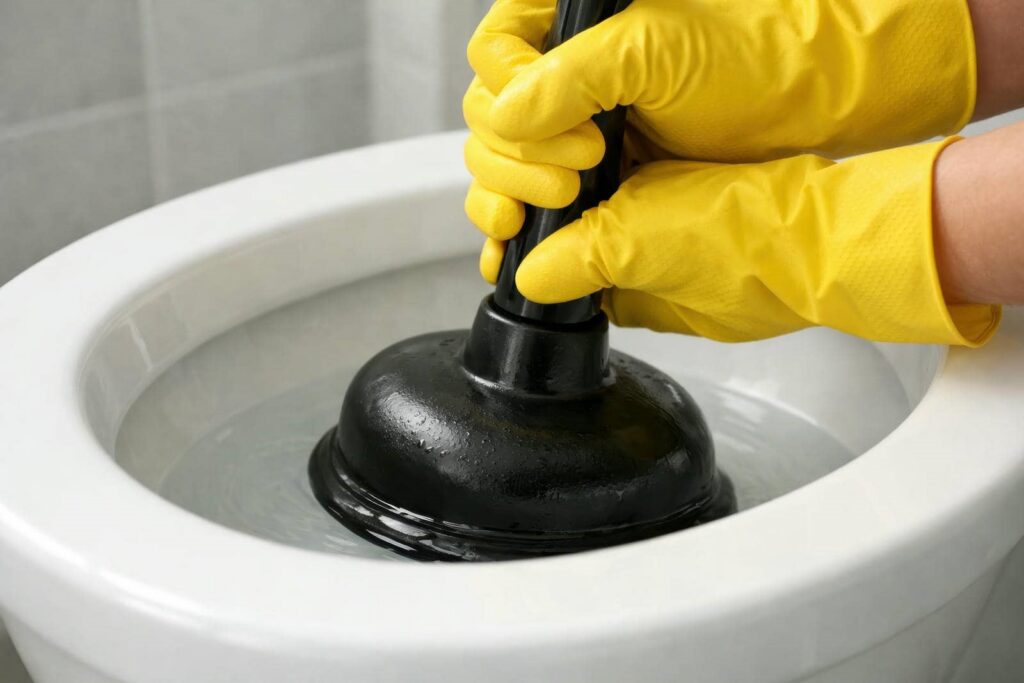
Gloves: Opt for long, waterproof gloves to protect your hands from direct contact.
Face mask: A mask filters airborne contaminants, reducing inhalation risks.
Using this gear minimizes exposure to hazardous materials, ensuring you stay safe throughout the cleanup process.
Steps to Take Immediately After a Sewage Flood
After a sewage flood, acting quickly is essential to mitigate damage and health risks.
First, ensure everyone’s safety by evacuating the area and contacting emergency services if necessary.
Next, identify the source of the flood and stop it to prevent further contamination.
Make immediate actions to secure your health: don protective gear and avoid direct contact with sewage.
Ventilate the space by opening windows and using fans, but avoid creating dust.
Document the damage with photos for insurance claims.
If you can, begin removing standing water and contaminated materials, but prioritize your safety.
Finally, consult with professionals for thorough cleanup and disinfection, as lingering pathogens can pose severe health hazards.
Your safety and well-being are paramount.
Effective Techniques for Water Removal
To effectively remove water after a sewage flood, you should start by using industrial pumps for rapid extraction.
Next, employ wet/dry vacuums to clear residual moisture from surfaces.
Finally, utilize absorbent materials to capture any remaining water and prevent further damage.
Use Industrial Pumps
Industrial pumps are essential for effective sewage flood cleanup, rapidly removing large volumes of contaminated water.
To ensure peak performance, focus on the following techniques:
Pump Selection: Choose pumps based on the specific needs of your site, considering factors like flow rate and head pressure.
Pump Maintenance: Regularly inspect and maintain your pumps to prevent breakdowns during critical operations. This includes checking seals, filters, and motor functions.
Emergency Preparedness: Have backup pumps ready and establish a clear plan for deployment to minimize downtime.
Employ Wet/Dry Vacuums
Wet/dry vacuums are invaluable tools for efficiently removing water and debris after a sewage flood. Their versatility allows you to tackle various cleanup challenges, making them essential for your toolkit.
One of the key wet/dry vacuum benefits is their ability to handle both liquids and solids without clogging. When selecting the best vacuum models, consider factors like tank capacity, suction power, and filtration systems, which are vital for effectively managing sewage materials.
High-efficiency particulate air (HEPA) filters are particularly important for minimizing airborne contaminants. By choosing the right wet/dry vacuum, you can streamline your cleanup process, ensuring a safer and cleaner environment for you and your family.
Investing in quality equipment fosters a sense of community and shared responsibility in recovery efforts.
Utilize Absorbent Materials
While effective water removal is essential after a sewage flood, utilizing absorbent materials can greatly enhance your cleanup efforts.
These materials help improve cleanup efficiency by soaking up residual moisture that vacuums might miss. Here are three effective absorbent materials you should consider:
Super Absorbent Polymer (SAP): Ideal for quickly absorbing large volumes of water, SAP can be a game-changer in extensive flood situations.
Cotton Towels: They’re versatile and can be used for smaller areas, making them perfect for detailed cleanup.
Absorbent Mats: Place these strategically to capture excess moisture and prevent further spread.
Incorporating these absorbent materials accelerates your cleanup and helps maintain a hygienic environment post-flood.
How to Clean and Disinfect Affected Areas
After you’ve removed the standing water, it’s vital to assess the extent of the damage to determine which areas require immediate attention.
Effective disinfection techniques are necessary to eliminate pathogens and prevent future health risks.
Assessing Damage Extent
Evaluating the extent of damage in areas affected by sewage flooding is essential for effective cleanup and disinfection.
A thorough damage assessment helps determine if the structural integrity of your property is compromised. Here are three key steps to follow:
Inspect Surfaces: Check walls, floors, and ceilings for visible stains, warping, or softness, indicating water damage.
Assess Materials: Identify which materials (e.g., drywall, insulation) can be salvaged or need replacement based on contamination levels.
Evaluate Safety Risks: Look for potential hazards, like electrical issues or mold growth, that could pose health risks.
Effective Disinfection Techniques
Once you’ve assessed the extent of the damage, the next step is to implement effective disinfection techniques to eliminate pathogens and contaminants from the affected areas.
Begin by employing appropriate disinfection methods, such as using chemical agents like bleach or hydrogen peroxide, which are effective against a wide range of bacteria and viruses. Confirm you follow the manufacturer’s instructions for dilution and contact time to maximize efficacy.
Use personal protective equipment (PPE) to safeguard yourself during the process. After applying the disinfectant, allow surfaces to dry completely to ensure thorough sanitization.
For porous materials, consider replacing items that can’t be adequately cleaned. By adhering to these steps, you’ll foster a safer environment for everyone involved in the cleanup.
How to Handle Odors From Sewage Flood Cleanup
When dealing with the aftermath of a sewage flood, managing the accompanying odors is essential for maintaining a safe and healthy environment. Effective odor control and odor neutralization techniques can make a significant difference.
Here are three strategies to evaluate:
Ventilation: Open windows and use fans to circulate air, helping to dissipate odors quickly.
Absorbents: Utilize activated charcoal or baking soda to absorb lingering smells, placing them in affected areas for maximum effect.
Odor Neutralizers: Apply commercial-grade products specifically designed for sewage odors, ensuring they meet safety guidelines for your environment.
Implementing these methods will help you create a fresher atmosphere, allowing you to focus on the restoration process with confidence and comfort.
When Should You Get Professional Help for Sewage Floods?
How can you determine if it’s time to call in professionals after a sewage flood? First, assess the extent of the damage.
If water levels exceed a few inches or if your home’s structure is compromised, that’s a clear sign of urgency. Contaminated water poses health risks; don’t underestimate the dangers associated with pathogens.
If your attempts at cleanup aren’t yielding results within a few hours, it’s wise to call in experts. Additionally, if odors persist or mold begins to form, seek professional help immediately.
Remember, your health and safety are paramount. When to call is essential; trusting your instincts can make a significant difference.
Don’t hesitate—act swiftly to protect your home and loved ones.
Preventing Future Sewage Flooding: Long-Term Solutions
To effectively prevent future sewage flooding, you must implement a combination of proactive measures and regular maintenance. Here are three key strategies to weigh:
Upgrade drainage systems: Invest in infrastructure improvements that enhance the capacity of your drainage systems, reducing the risk of sewage backups.
Implement flood barriers: Use flood barriers in vulnerable areas to protect against overflow during heavy rains, ensuring your property remains safe.
Enhance landscape grading: Proper grading directs water away from your foundation, reducing the risk of flooding.
Additionally, foster public awareness through community planning initiatives that emphasize the importance of regular maintenance and collaboration among residents.
Frequently Asked Questions
Can I Use Regular Household Cleaners for Sewage Cleanup?
You shouldn’t use regular household cleaners for sewage cleanup. Instead, opt for specialized cleaning agents that effectively eliminate pathogens. Always prioritize safety precautions, like gloves and masks, to protect yourself during the cleanup process.
How Long Does It Take for Sewage Damage to Appear?
Sewage damage can appear within hours if not addressed. Your sewage damage timeline depends on initial response steps. Prompt action minimizes health risks and limits structural damage, so don’t delay in starting cleanup efforts.
What Are the Signs of Mold Growth After Sewage Flooding?
After sewage flooding, watch for dark spots, musty odors, or increased humidity. These signs signal potential mold growth, posing serious health risks. Prioritize mold prevention to safeguard your environment and ensure your well-being.
Is Sewage Flood Cleanup Covered by Homeowners Insurance?
Sewage flood cleanup’s often covered by homeowners insurance, but it depends on your policy. Check for specific flood damage clauses, as some plans exclude sewage-related incidents. Understanding your coverage’s essential for effective recovery and financial protection.
Can Pets Safely Return Home After a Sewage Flood?
Like a ship maneuvering through stormy seas, you should wait to bring pets home after a sewage flood. Assess contamination risks thoroughly; ensure all areas are sanitized. Pet safety must come first before returning them.
Review
In the battle against sewage floods, every second counts—your home could transform into a toxic wasteland in the blink of an eye! By following these strategies, you’re not just cleaning; you’re reclaiming your space from the brink of disaster. Don’t gamble with your health; act swiftly, gear up, and tackle the mess head-on. Remember, if the situation spirals beyond your control, calling in professionals isn’t just wise—it’s essential for your safety and peace of mind!