When you encounter a sewage backup, immediate action is critical. You need to identify symptoms like foul odors or standing water and stop all water usage right away. Securing the area prevents further exposure to hazardous materials. Documenting the damage is essential for insurance claims, but safety comes first. Understanding the proper techniques for removal and sanitation can greatly influence the restoration process. What steps will you take to ensure your space is safe and sanitary?
Key Takeaways
- Identify symptoms of sewage backup, such as odors and pooling water, and cease all water use immediately to prevent further contamination.
- Use personal protective equipment (PPE) like gloves and masks to ensure safety while documenting damage and assessing the situation.
- Implement preventative maintenance by scheduling regular plumbing inspections to catch potential issues like blockages or aging infrastructure early.
- Employ sewage pumps to efficiently remove standing water and assess moisture levels to prevent mold growth during cleanup.
- Educate household members on proper waste disposal and recognize when to seek professional help for persistent odors or structural damage.
What to Do When You Experience a Sewage Backup?
When you experience a sewage backup, it’s vital to act quickly to minimize damage and ensure safety.
First, identify sewage symptoms, such as unpleasant odors, gurgling drains, or water pooling. If you notice these signs, immediately stop using all water sources to prevent further contamination.
Next, secure the area by blocking off access to keep others safe.
It’s imperative to reach out to emergency contacts, including your local plumbing service and health department, to address the issue professionally.
Document the damage for insurance claims, and avoid attempting to clean contaminated areas without proper protective gear.
Acting swiftly and effectively can help restore your space and protect your well-being during this distressing event.
Understanding Causes and Risks of Sewage Backups
Understanding the causes and risks of sewage backups is essential for preventing future incidents and protecting your property. Common causes include blockages in your sewage system due to tree roots, grease buildup, or foreign objects. Heavy rainfall can also overwhelm drainage systems, leading to backups.
You should be aware that aging infrastructure increases the likelihood of failures, as old pipes may corrode or collapse. The risks of sewage backups are substantial; they can lead to health hazards, property damage, and costly repairs.
Safety Tips for Cleaning Up Sewage
When cleaning up sewage, prioritize your safety by using appropriate personal protective equipment, including gloves, masks, and boots.
Ensure proper ventilation to maintain air quality and minimize exposure to harmful pathogens.
Additionally, follow guidelines for the safe disposal of contaminated materials to prevent further health risks.
Personal Protective Equipment Essentials
Cleaning up sewage can pose serious health risks, so having the right personal protective equipment (PPE) is vital.
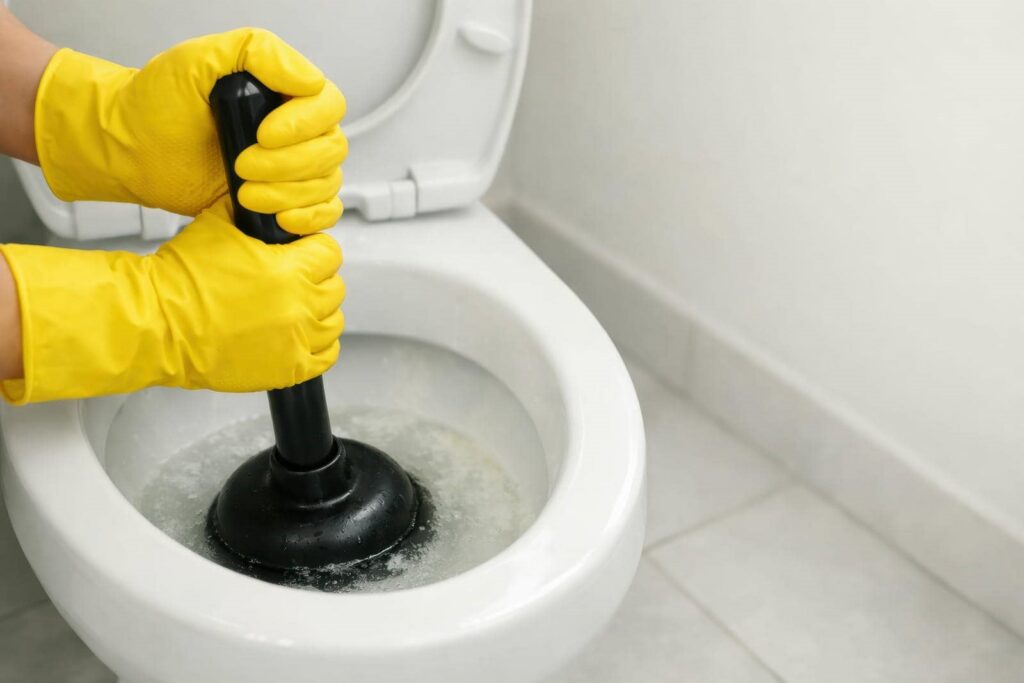
Start with gloves selection: choose heavy-duty, rubber gloves that are puncture-resistant to prevent skin contact with hazardous materials. Make certain they fit snugly to avoid any gaps.
Next, focus on mask types; a respirator with a particulate filter is essential to protect you from airborne pathogens. Avoid simple dust masks, as they won’t offer adequate protection.
Additionally, consider protective eyewear to shield against splashes, and wear rubber boots to keep your feet safe from contamination.
Finally, don’t forget a full-body suit to minimize skin exposure.
Prioritize your safety to ensure a successful cleanup and safeguard your health.
Ventilation and Air Quality
To ensure a safe and effective sewage cleanup, proper ventilation and air quality management are essential. Start by ensuring adequate air circulation in the affected area. Open windows and doors to promote natural airflow, and consider using fans to enhance movement. This helps dissipate harmful odors and airborne pathogens.
Moisture control is equally important. Use dehumidifiers to reduce humidity levels, preventing mold growth and further air quality issues. Regularly monitor humidity levels with a hygrometer to keep them in check.
Always wear appropriate personal protective equipment (PPE) during this process, and allow sufficient time for the area to air out before re-entering.
Proper Waste Disposal Methods
After ensuring proper ventilation and air quality, the next step involves effective waste disposal methods to handle sewage safely.
Start by using biodegradable products wherever possible; they break down naturally and reduce environmental impact. If you have a composting toilet, it’s essential to follow the manufacturer’s guidelines for maintenance and waste disposal to prevent contamination.
Always wear protective gear, including gloves and masks, to shield yourself from harmful pathogens. Dispose of collected waste in a designated area, following local regulations.
Avoid flushing non-biodegradable items, as this can exacerbate sewage issues. By implementing these methods, you not only protect your health but contribute to a cleaner, more sustainable environment for your community.
Effective Techniques for Removing Sewage Water
Removing sewage water requires a systematic approach to ensure safety and effectiveness.
Start by turning off electricity in affected areas to prevent hazards. Use drain cleaning tools to clear any clogs that may contribute to backups.
Next, deploy sewage pumps to extract standing water efficiently. Confirm you choose pumps with adequate capacity for the volume you’re dealing with, as this speeds up the removal process.
Wear protective gear, including gloves and masks, to safeguard against contaminants.
Once the bulk of the sewage water is removed, assess the area for lingering moisture.
How to Sanitize Areas After a Sewage Backup
After a sewage backup, ensuring safety is your top priority before starting the sanitization process.
You need to wear appropriate personal protective equipment (PPE) and use effective cleaning solutions to eliminate harmful pathogens.
Once you’ve established a safe environment, you can focus on thoroughly cleaning and disinfecting the affected areas.
Essential Safety Precautions
Sewage backups pose significant health risks, making it essential to prioritize safety during cleanup efforts. You should take necessary precautions to protect yourself and your family.
Here are some essential safety measures:
Wear protective gear: Use gloves, masks, and boots to shield against contaminants.
Ventilate the area: Open windows and doors to circulate air and reduce harmful fumes.
Isolate the affected space: Keep pets and children away to prevent exposure.
Dispose of contaminated items: Safely discard any materials that can’t be sanitized.
Effective Cleaning Solutions
Once you’ve taken the necessary safety precautions, it’s time to focus on effective cleaning solutions to sanitize the affected areas. Start by using eco-friendly cleaners specifically designed for sewage backups. These products often contain biological agents that break down waste materials and neutralize odors.
Apply the cleaner generously to surfaces, allowing it to dwell for the recommended time to ensure maximum efficacy.
Use hot water for rinsing, and don’t forget to clean hard-to-reach spots, as bacteria can linger there. After rinsing, thoroughly dry the area to prevent mold growth.
Finally, dispose of any contaminated materials safely, and consider using air purifiers to enhance air quality. Following these steps will help you restore your space effectively and safely.
Assessing Structural Damage After a Sewage Backup
When dealing with a sewage backup, evaluating structural damage is essential to confirm safety and prevent further deterioration.
Start your damage assessment by focusing on key areas to verify the structural integrity of your property:
Foundation: Check for cracks or water pooling that may compromise support.
Walls: Look for discoloration, warping, or moisture, indicating potential structural weakness.
Floors: Inspect for sagging or soft spots that reveal hidden damage beneath the surface.
Ceiling: Watch for stains or bulging, as these signs can indicate water infiltration.
Thoroughly documenting these issues helps you understand the extent of the damage and informs your next steps.
Timely action can mitigate risks and restore your space effectively, securing your environment for future use.
Long-Term Solutions to Prevent Sewage Backups
To effectively prevent sewage backups, it’s essential to implement proactive measures that address potential issues before they escalate.
Start with regular preventative maintenance of your plumbing system. Schedule inspections to identify weaknesses or blockages, ensuring your pipes remain clear.
Consider plumbing upgrades, like installing backflow valves, which act as a barrier against sewage intrusion.
Additionally, keep an eye on your landscaping; avoid planting large trees near sewer lines, as roots can infiltrate and cause clogs.
Educate household members about proper waste disposal—never flush non-biodegradable items.
Finally, stay informed about local sewer infrastructure changes, as these can impact your home’s drainage.
When to Call Professional Restoration Services?
How can you tell if it’s time to call in professional restoration services for a sewage backup? If you notice any of the following, it’s essential to seek emergency response:
Widespread sewage overflow: Water is pooling in multiple areas, indicating a severe issue.
Foul odors: Persistent, unpleasant smells suggest contamination that needs professional handling.
Structural damage: Walls or floors show signs of deterioration, requiring a thorough professional assessment.
Health risks: If you or your family experience symptoms like nausea or respiratory issues, prioritize safety and call experts.
Timely intervention can mitigate damage and protect your home, ensuring a safe and healthy environment for you and your loved ones.
Don’t hesitate—your home deserves the best care.
Frequently Asked Questions
How Can I Identify a Sewage Backup Early?
You can identify a sewage backup early by noticing a sewage odor, water discoloration, toilet backup, drain gurgling, slow drainage, or any unusual plumbing issues indicating potential pipe blockage or sewer line problems.
What Health Risks Are Associated With Sewage Exposure?
Sewage exposure can lead to severe pathogen exposure, risking gastrointestinal illnesses and infections. While prevention can safeguard your health, neglecting contamination risks might invite serious consequences. Stay vigilant and prioritize safety to protect yourself and others.
Can I File an Insurance Claim for Sewage Damage?
Yes, you can file an insurance claim for sewage damage if your policy covers it. Review your insurance policies carefully and follow the claim process outlined to ensure you receive the coverage you need.
How Often Should I Inspect My Sewage System?
You should inspect your sewage system at least once a year for ideal maintenance. Regular checks help catch issues early, ensuring your system functions efficiently and preventing costly damages down the line. Stay proactive!
What Materials Are Safest for Cleaning Sewage Spills?
For cleaning sewage spills, use biodegradable cleaners to minimize environmental impact. Always wear protective gear, like gloves and masks, to safeguard yourself. These measures ensure a safer, more responsible approach to managing hazardous situations.
Wrap-Up
In the aftermath of a sewage backup, think of your home as a ship sailing through stormy waters. You must act swiftly to patch leaks and secure your vessel. By applying the mitigation techniques outlined, you not only restore safety but also fortify against future storms. Remember, regular maintenance and education are your guiding tools, steering you away from potential hazards. When in doubt, don’t hesitate to call in professionals—they’re the lighthouse guiding you to safety.