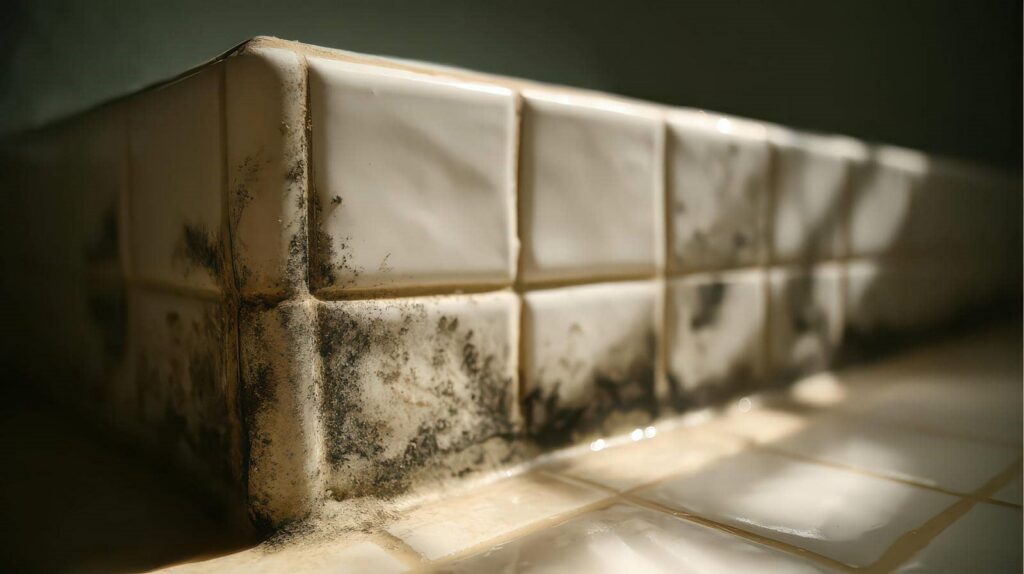
If you’ve faced this issue, mold control is essential to protect your home and health. Effective strategies start immediately after the incident and continue through recovery. You’ll want to understand how to properly dry out affected areas, monitor humidity, and select the right materials. Let’s explore the key steps to ensure your space remains mold-free.
Key Takeaways
- Act quickly to remove standing water and moisture to prevent mold growth.
- Use dehumidifiers and fans to thoroughly dry affected areas.
- Select mold-resistant products when repairing or renovating damaged spaces.
- Keep indoor humidity below 60% by using hygrometers and ventilation.
- Seek professional help if mold persists or if there are structural concerns.
What to Do Immediately After Water Damage?
When water damage strikes, act quickly to minimize its effects. Start by ensuring everyone’s safety; turn off electricity and gas if necessary.
Next, begin flood cleanup by removing standing water using pumps or wet vacs. Dry out affected areas with fans and dehumidifiers, as moisture can lead to mold growth.
Document the damage thoroughly for your insurance claims; take photos and make lists of affected items. Contact your insurance provider promptly to discuss your coverage and next steps.
Keep records of all communications and expenses related to the cleanup. By taking these initial actions, you’ll protect your home and create a safer environment for everyone, reinforcing a sense of community and belonging in recovery efforts.
How to Effectively Dry Out Water-Damaged Areas
To effectively dry out water-damaged areas, you must act swiftly and utilize the right equipment. Start by removing excess water with a wet/dry vacuum.
Next, employ effective drying techniques such as using fans and dehumidifiers to promote airflow and reduce humidity. Open windows and doors to enhance ventilation, but only if outdoor conditions are favorable.
Pay attention to hidden spaces, like behind walls and under floors, as these areas are prone to mold growth if overlooked.
Be cautious of common drying mistakes, like not drying items thoroughly or ignoring damp materials, as they can lead to further damage.
Regularly check the moisture levels to verify everything is drying properly, preventing mold from taking root.
Choosing Mold-Resistant Products for Water Damage Recovery
After thoroughly drying out water-damaged areas, selecting mold-resistant products becomes essential for effective recovery.
Start by choosing mold-resistant paints for walls and ceilings, which contain antimicrobial properties to inhibit mold growth. These paints protect and enhance the aesthetic of your space.
Next, consider installing moisture barriers in areas prone to high humidity, like basements and bathrooms. These barriers prevent moisture from seeping through walls and floors, creating a challenging environment for mold.
When selecting materials, prioritize those specifically designed for moisture-prone areas, ensuring long-lasting protection.
Keep an Eye on Humidity Levels
Monitoring humidity levels is essential in preventing mold growth after water damage. High humidity can create the perfect environment for mold spores to thrive, so effective humidity monitoring is vital. Aim to keep indoor humidity below 60%.
You can use a hygrometer to track these levels accurately. If you notice humidity climbing, take immediate steps for moisture control, such as using dehumidifiers or improving ventilation.
Make sure that areas prone to dampness, like basements or bathrooms, are well-ventilated, and consider using exhaust fans. By staying proactive with humidity management, you’ll greatly reduce the risk of mold reappearing and help maintain a healthier living space.
When to Seek Professional Help for Water Damage?
Humidity control is just one part of the mold prevention puzzle. Knowing when to seek professional help is vital for effective mold identification and water damage restoration.
Here are three key indicators:
Extensive Water Damage: If you notice significant water pooling or structural damage, don’t hesitate to call in professionals.
Persistent Mold Growth: If mold reappears despite your cleaning efforts, it’s a sign that hidden moisture exists.
Health Concerns: If you or your family experience respiratory issues or allergic reactions, professional assessment is essential.
Frequently Asked Questions
How Long Does It Take for Mold to Develop After Water Damage?
Mold can start developing within 24 to 48 hours after water damage, depending on various factors like humidity and temperature. Understanding the mold growth timeline helps you act quickly to prevent extensive damage.
Can I Remove Mold Myself, or Should I Hire a Professional?
You can tackle mold removal yourself with DIY methods, but think twice—it’s a beast lurking in the shadows. If the infestation’s severe, hiring a professional ensures safety and thoroughness, keeping your home a sanctuary.
What Are the Health Risks Associated With Mold Exposure?
Mold exposure can lead to various health risks, including mold symptoms like coughing, sneezing, and skin irritation. You might also experience respiratory issues, particularly if you have asthma or other pre-existing conditions. Stay vigilant!
Are There Specific Cleaning Products That Effectively Kill Mold?
You wouldn’t use a rusty tool to fix your car, right? For mold, effective disinfectants like hydrogen peroxide or vinegar work wonders. Choose mold removal products labeled for efficacy to ensure a thorough clean and peace of mind.
How Can I Prevent Mold From Returning After Cleanup?
To prevent mold from returning, ensure you maintain proper ventilation systems and control humidity levels. Regularly check for moisture accumulation and repair leaks promptly. Keeping spaces dry and well-ventilated is key to long-term mold prevention.
Conclusion
In the battle against mold after water damage, remember: “An ounce of prevention is worth a pound of cure.” By promptly drying affected areas, monitoring humidity, and using mold-resistant materials, you can greatly reduce the risk of mold growth. Don’t hesitate to seek professional help if you encounter persistent issues. Taking these steps helps protect your home and creates a healthier living environment for you and your family. Stay vigilant and proactive in your mold control efforts.