In flood situations, knowing the right water extraction technique can greatly impact your restoration efforts. While submersible pumps are powerful for large volumes, wet/dry vacuums offer quick solutions for smaller areas. Additionally, dehumidifiers play an essential role in speeding up the drying process. Explore how these methods work together to tackle flood damage effectively.
Key Takeaways
- Submersible Pumps are ideal for large-scale water removal, effectively extracting water during severe flooding situations.
- Wet/Dry Vacuums provide quick and portable solutions for minor flooding, efficiently removing both water and debris from tight spaces.
- Dehumidifiers accelerate drying in affected areas, reducing moisture and preventing mold growth after water extraction efforts.
- Proper Installation of pumps and equipment is crucial for optimal performance and to prevent electrical hazards or damage.
- Combining Techniques enhances cleanup efficiency, maximizing water extraction and drying speed for faster restoration.
Best Water Extraction Technique: Submersible Pumps
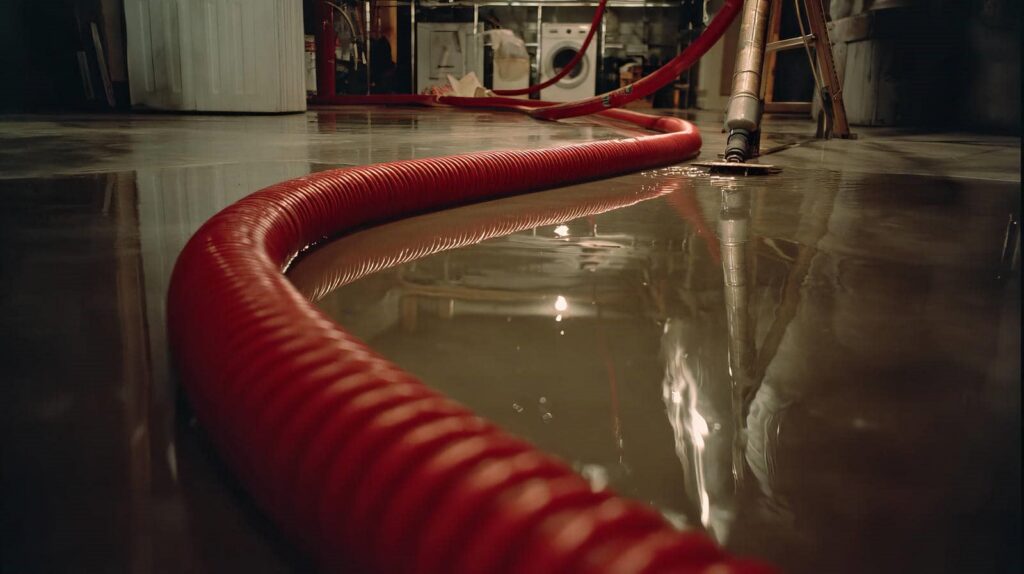
Submersible pumps are the go-to solution for effective water extraction in emergency situations. These pumps come in various submersible pump types, each designed for specific applications, whether it’s handling dirty water, sewage, or clean water.
When you’re faced with flooding, understanding the right pump installation is essential. You’ll want to ensure that the pump is fully submerged to maintain efficiency and prevent damage. Proper installation includes securing the power supply and checking for any leaks.
How Wet/Dry Vacuums Help in Small Floods?
In small flood situations, wet/dry vacuums provide an efficient solution for quick water removal. With their powerful suction power, these vacuums can tackle water accumulation in basements, garages, or other affected areas.
They’re designed to handle both liquid and solid debris, making them versatile for flood cleanup tasks. Unlike standard vacuums, wet/dry models can absorb large volumes of water, allowing you to clear out standing water rapidly.
You’ll appreciate their portability, enabling easy maneuvering in tight spaces. Additionally, many models come with various attachments to reach corners and crevices.
Using Dehumidifiers to Speed Up Drying
To effectively accelerate the drying process after a flood, using dehumidifiers can be vital. Proper dehumidifier placement is important; set them in areas with the highest moisture levels, such as basements or damp rooms.
By positioning them strategically, you enhance moisture control throughout the space, allowing for quicker evaporation.
Make sure windows and doors are closed to maximize efficiency, as this helps the dehumidifier work harder to extract moisture from the air. Regularly check and empty the water reservoir to maintain peak performance.
Additionally, consider using multiple units for larger areas to ensure thorough moisture removal. With the right setup, dehumidifiers can greatly reduce drying time, helping restore your environment faster and more effectively.
Frequently Asked Questions
How Do I Ensure My Safety During Water Extraction?
To ensure your safety during water extraction, follow safety precautions like wearing protective gear, securing electrical sources, and maintaining clear emergency procedures. Always stay alert to hazards and keep communication lines open with others nearby.
What Personal Protective Equipment Should I Wear?
You should wear water-resistant gear and safety goggles to protect yourself during extraction. This equipment minimizes exposure to contaminants and ensures your safety, helping you work efficiently and confidently in challenging conditions. Stay safe!
Can I Use Household Items for Water Extraction?
Yes, you can use household tools for water extraction. Employ DIY methods like mops, towels, and buckets to absorb and remove water effectively. Just make sure you prioritize safety while tackling the situation.
How Do I Prevent Mold Growth After Extraction?
To prevent mold growth after extraction, use effective drying techniques like fans and dehumidifiers. Implement mold prevention strategies by ensuring proper ventilation and maintaining low humidity levels, creating a healthier environment for everyone involved.
When Should I Call a Professional for Help?
You should call a professional when water damage exceeds your capabilities, especially during an emergency response. They’ll ensure thorough extraction and prevent long-term issues like mold, safeguarding your home and health effectively.
Wrap-Up
Effectively tackling floodwater requires a strategic combination of submersible pumps, wet/dry vacuums, and dehumidifiers. For instance, after Hurricane Harvey, homeowners who utilized submersible pumps to quickly remove water found their properties dried out faster when paired with dehumidifiers. This approach mitigated damage and facilitated quicker recovery. By employing these techniques, you can ensure a more efficient restoration process and protect your property from long-term issues.