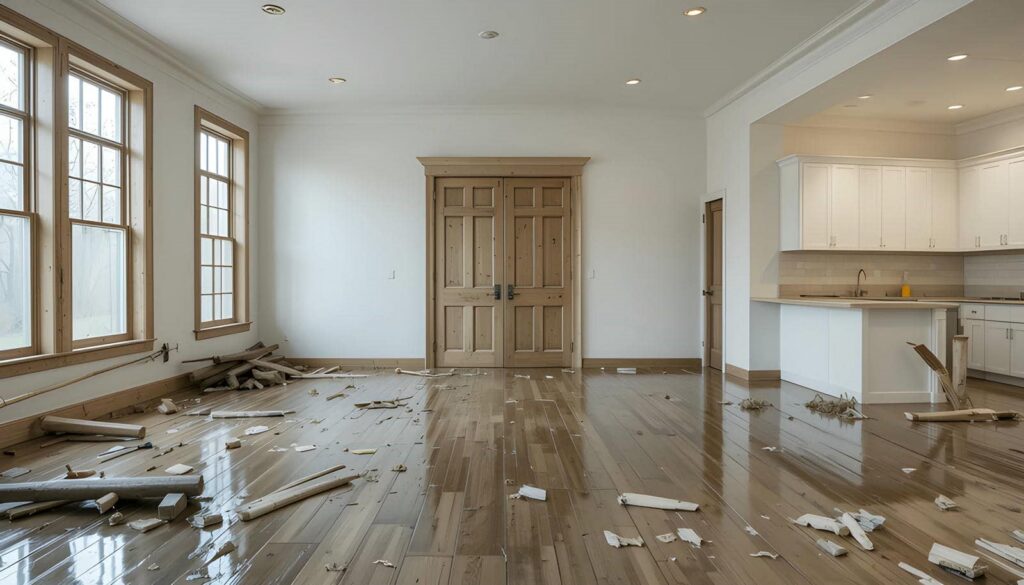
Imagine coming home to find your basement flooded due to a burst pipe—an all-too-common scenario for homeowners. Understanding your water damage insurance options can mean the difference between financial recovery and significant loss. It’s crucial to recognize the various types of coverage available, including flood insurance and sewer backup protection. But do you really know what your policy covers and what it excludes? Exploring these details can help you safeguard your home effectively.
Key Takeaways
- Water damage insurance may require separate policies for flood and sewer backup coverage, which are often excluded from standard plans.
- Understand the difference between Actual Cash Value and Replacement Cost to choose the best financial protection for your needs.
- Review your policy documents to identify coverage limits and exclusions, ensuring you’re adequately protected against potential water damage.
- Document all damage thoroughly and contact your insurance provider promptly to initiate the claims process effectively.
- Regular maintenance and preventive measures can reduce water damage risks and improve your chances of successful claims.
Types of Water Damage Insurance Coverage
When considering water damage insurance coverage, it’s important to understand the various options available to you. Flood insurance is a key component, especially if you live in a flood-prone area.
Additionally, you might need coverage for sewer backup, which often isn’t included in standard policies. Look into policy endorsements that can enhance your protection, including mold remediation and emergency repairs.
Water extraction services can be essential after an incident, so verify if your coverage includes these costs. Implementing preventive measures and following maintenance tips can greatly reduce the risk of future damage.
Determining Your Coverage Limits
Understanding the types of water damage insurance coverage is just the beginning; knowing your coverage limits is equally important. A thorough coverage assessment helps you identify the extent of your policy limits and ensures your financial protection.
To effectively determine your coverage limits, consider the following:
Review your policy documents for specifics on covered damages.
Evaluate your home’s value and potential repair costs.
Consult with your insurance agent to clarify any uncertainties.
Compare different providers to find the best coverage options.
Actual Cash Value vs. Replacement Cost Explained
When it comes to water damage insurance, understanding the difference between Actual Cash Value (ACV) and Replacement Cost is essential for your financial protection.
ACV considers depreciation, meaning you’ll receive less than what you originally paid for the damaged item, while Replacement Cost covers the full expense of replacing it without factoring in depreciation.
Knowing these definitions can greatly impact your claims and out-of-pocket expenses.
Actual Cash Value Defined
While you may think all insurance policies cover the full replacement cost of damaged property, many rely on the Actual Cash Value (ACV) method, which greatly influences your compensation.
ACV takes into account depreciation, meaning you’ll receive the current market value of your damaged items rather than what it would cost to replace them completely. This can be essential when dealing with water damage claims.
Consider these key points about ACV:
- Depreciation: Older items have lower ACV.
- Market Value: Reflects current worth, not replacement cost.
- Insurance Terminology: Important to understand your policy.
- Claim Impact: ACV affects payout amounts considerably.
Understanding these elements ensures you’re better prepared for potential claims.
Replacement Cost Explained
Replacement cost coverage offers a distinct advantage over Actual Cash Value (ACV) by ensuring you receive funds to replace damaged items without accounting for depreciation. This means you can restore your home to its pre-damage condition without financial loss, highlighting one of the key replacement cost advantages.
However, it’s essential to evaluate replacement cost disadvantages, such as potentially higher premiums. While you gain peace of mind, the upfront cost may be a concern for some homeowners.
Ultimately, understanding these factors helps you make informed decisions about your insurance needs. Balancing replacement cost benefits with your budget can lead to a more secure and fulfilling living environment, ensuring you feel protected and valued in your home.
Filing a Water Damage Insurance Claim?
Filing a water damage insurance claim can often feel overwhelming, especially when you’re already dealing with the stress of the damage itself.
Understanding the claim process is essential for a smoother experience. Here are key steps to follow:
- Document the damage thoroughly with photos and notes.
- Review your insurance policy for specifics on coverage and requirements.
- Contact your insurance provider promptly to initiate the claim process.
- Keep all relevant insurance documentation organized for easy reference.
Key Exclusions in Water Damage Insurance Policies
Understanding the key exclusions in water damage insurance policies is essential, as it can greatly affect your coverage.
Commonly excluded events include flood damage, which typically requires separate flood insurance. Sewer backup may also not be covered unless you have specific policy endorsements.
Additionally, damage resulting from mold remediation is often limited, leaving you vulnerable if mold develops after initial water issues.
Maintenance issues, such as neglecting a sump pump or failing to repair burst pipes, can lead to denied claims.
Be mindful of your deductible options, as higher deductibles mightn’t provide sufficient protection against these exclusions.
Knowing these gaps helps you make informed decisions and ensures you’re adequately covered when water damage strikes.
Choosing the Right Water Damage Insurance Policy
When choosing the right water damage insurance policy, it’s essential to understand the different types of water damage you might face.
You’ll also need to scrutinize policy exclusions and limitations, as these can greatly impact your coverage.
Types Of Water Damage
While managing the complexities of water damage insurance, it’s essential to recognize the various types of water damage that can impact your policy choices.
Understanding these distinctions can help you select the right coverage for your needs.
Flood Damage: Often not covered by standard policies, requiring separate flood insurance.
Plumbing Failures: Issues like burst pipes or appliance leaks can lead to significant damage.
Storm Damage: Water intrusion from severe weather can complicate claims.
Sewage Backups: Contaminated water can cause health risks and may require specialized coverage.
Policy Exclusions And Limitations
Maneuvering the intricacies of water damage insurance requires a keen awareness of policy exclusions and limitations.
You’ll find that understanding these policy nuances is vital to ensuring you have adequate protection. Many standard policies exclude specific types of water damage, such as flooding or gradual leaks, creating potential coverage gaps that can leave you vulnerable.
It’s important to read the fine print and ask your insurer about any limitations that may apply. Additionally, some policies may impose caps on payouts for certain damages, affecting your financial recovery.
Frequently Asked Questions
How Do I Find a Reliable Water Damage Insurance Agent?
To find a reliable water damage insurance agent, check their qualifications, ask about coverage limits, and read reviews. Connecting with local homeowners can provide recommendations, ensuring you choose someone trustworthy and experienced in your area.
Can I Purchase Separate Flood Insurance if I Have Homeowners Insurance?
Yes, you can purchase separate flood insurance even if you have homeowners insurance. It often comes with specific coverage limits, so make certain you understand what’s included to adequately protect your property against flooding risks.
What Are the Common Causes of Water Damage Not Covered by Insurance?
Common causes of water damage not covered by insurance include issues from poorly maintained plumbing and appliances, as well as flooding from non-designated flood zones. Regular maintenance can help mitigate these risks and potential financial burdens.
How Does My Credit Score Affect My Water Damage Insurance Premiums?
Your credit score dramatically impacts your water damage insurance premiums. Higher scores often lead to considerably lower premium differences, while poor scores can inflate costs, making it essential to maintain a solid credit profile for better rates.
Are There Special Considerations for Renters Regarding Water Damage Coverage?
Yes, renters should consider their rights regarding coverage limits. Many policies exclude water damage from specific sources. Reviewing your lease and insurance policy ensures you understand what’s covered, protecting your belongings effectively.
Wrap-Up
In the end, you might find that the insurance you thought would protect you from water damage is more like a safety net with holes. The irony is that while you pay premiums for peace of mind, a single overlooked exclusion could leave you high and dry. To truly safeguard your home, it’s essential to dive deep into your policy details. After all, a well-informed homeowner is the best defense against unexpected water woes.