
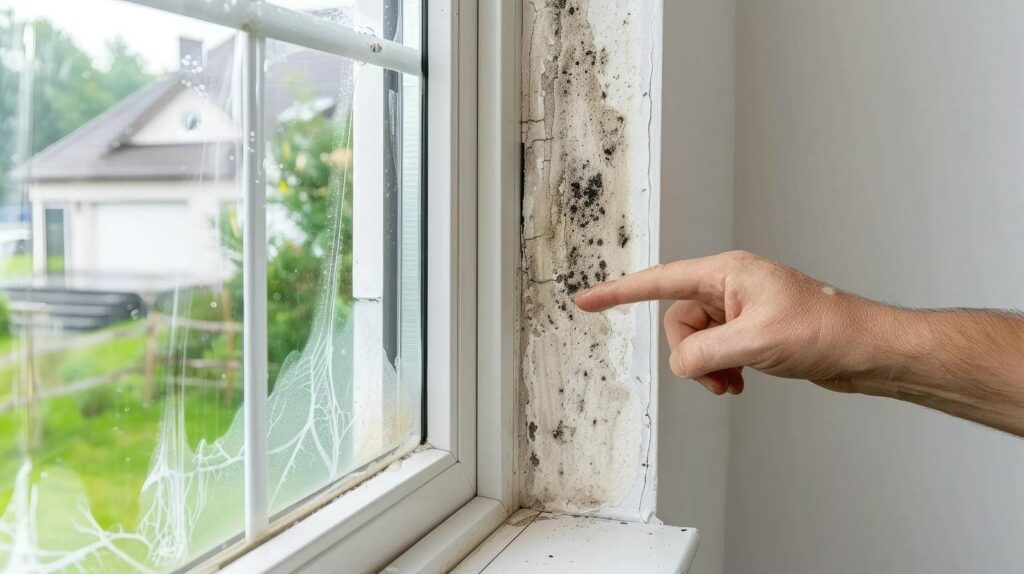
After flooding, the risk of mold growth escalates considerably if immediate action isn’t taken. You need to prioritize water removal and ensure thorough drying of your home. Understanding how moisture retention occurs is critical, as it can lead to hidden mold problems that aren’t immediately visible. By following specific guidelines and employing effective strategies, you can considerably reduce the chance of mold taking root. The initial steps are essential, but the ongoing maintenance is just as important.
Key Takeaways
- Remove soaked items immediately and thoroughly dry affected areas to prevent mold growth.
- Set up dehumidifiers and fans to lower humidity levels and enhance airflow.
- Inspect and remove water-damaged materials like carpets and drywall promptly.
- Conduct regular moisture assessments to identify hidden areas prone to dampness.
- Maintain indoor humidity levels below 60% to inhibit mold development.
Immediate Actions to Take After a Flood
After a flood, it’s essential to act quickly to minimize mold growth. Start by gathering your emergency supplies, including gloves, masks, and buckets. These items protect you while you assess the damage.
Next, reach out to community resources for support; local organizations often provide assistance and information on mold prevention. Document the damage for insurance claims, taking photos of affected areas.
If you can, ventilate the space by opening windows and doors to promote airflow. Remove soaked items immediately, as they can harbor mold.
How to Safely Remove Standing Water and Excess Moisture
Once you’ve assessed the damage and gathered your supplies, the next step is to remove standing water and excess moisture from your home.
Start with water extraction, using a sump pump or wet/dry vacuum to efficiently eliminate large volumes of water. Make sure you wear protective gear, including gloves and masks, to safeguard against contaminants.
Once the bulk of the water’s gone, conduct a thorough moisture assessment. Check hidden areas like basements and behind walls, as lingering moisture can lead to mold growth.
Open windows and use fans to enhance airflow, expediting the drying process. By taking these steps, you’ll create a safer environment and greatly reduce the risk of mold taking hold in your home.
Best Practices for Drying Out Your Home Thoroughly
Thoroughly drying out your home after flooding is essential in preventing mold growth and preserving structural integrity.
To effectively manage this process, consider these best practices:
Use Dehumidifiers: Set up dehumidifiers in affected areas to reduce humidity levels quickly.
Ventilate: Open windows and doors to promote airflow, aiding in the drying process.
Apply Drying Techniques: Utilize fans to circulate air and speed up evaporation, especially in confined spaces.
Inspect and Remove Materials: Check materials like drywall and carpeting for water damage; remove items that can’t be dried thoroughly.
Key Conditions That Lead to Mold Growth After Flooding
After flooding, certain conditions can greatly increase the risk of mold growth in your home.
Moisture retention areas, like carpets and drywall, provide an ideal breeding ground, while poor ventilation spaces hinder proper air circulation.
Understanding these factors is essential for effective mold prevention.
Moisture Retention Areas
When floodwaters recede, they often leave behind moisture retention areas that create ideal conditions for mold growth.
To combat this, you should focus on effective moisture control strategies. Here are four key actions to take into account:
Install moisture barriers: Use vapor barriers in basements and crawl spaces to prevent moisture from seeping in.
Implement drainage solutions: Make sure gutters and downspouts direct water away from your foundation.
Regularly inspect for standing water: Check your property frequently for any pooling that could lead to mold.
Use dehumidifiers: Maintain indoor humidity levels below 60% to deter mold proliferation.
Poor Ventilation Spaces
Although proper ventilation is crucial in preventing mold growth, many spaces in homes, such as attics, basements, and crawl spaces, often lack adequate airflow.
These poorly ventilated areas create perfect conditions for mold, especially after flooding. Without effective ventilation systems, moisture accumulates, stifling air circulation and promoting mold proliferation.
To combat this, consider installing vents or fans to enhance airflow. Regularly inspecting these spaces ensures that any obstructions to ventilation are addressed promptly.
Additionally, using dehumidifiers can help maintain ideal humidity levels. By prioritizing ventilation, you safeguard your home and foster a healthier living environment, making it a space where you and your loved ones can thrive without the worry of mold.
Select Mold-Resistant Materials for Repairs
Selecting mold-resistant materials for repairs is essential if you want to safeguard your home against future infestations.
By choosing the right products, you can notably reduce mold growth risk. Here’s a quick list to guide your selections:
Mold-Resistant Paints: These paints contain antimicrobial agents that inhibit mold growth on surfaces.
Moisture Barriers: Installing moisture barriers in areas prone to dampness helps prevent water infiltration.
Water-Resistant Drywall: This type of drywall is specifically designed to withstand humidity and resist mold.
Composite Lumber: Ideal for outdoor repairs, this lumber is less susceptible to mold compared to traditional wood.
Tips for Maintaining Indoor Air Quality Post-Flooding
After a flood, maintaining indoor air quality is essential for your health.
You should focus on improving ventilation and managing airflow to reduce moisture levels.
Additionally, implementing humidity control strategies can help prevent mold growth and ensure a safer living environment.
Ventilation and Airflow Management
When you’re dealing with indoor air quality after flooding, effective ventilation and airflow management are crucial to preventing mold growth. Proper air circulation helps maintain a humidity balance, reducing the risk of mold spores settling.
Here are some tips to enhance your indoor environment:
Open Windows: Whenever weather permits, open windows to facilitate fresh air exchange.
Use Fans: Position fans strategically to promote airflow throughout the space.
Install Exhaust Vents: Utilize exhaust fans in kitchens and bathrooms to expel moisture-laden air.
Conduct Regular Inspections: Regularly check for blockages in vents and ducts to ensure ideal airflow.
Humidity Control Strategies
While maintaining indoor air quality post-flooding, controlling humidity is vital to prevent mold growth.
Start by using a dehumidifier to reduce moisture levels effectively. Aim for indoor humidity to stay below 60%—this can markedly curtail mold proliferation.
Regular humidity monitoring is important; consider investing in a hygrometer to keep track of moisture levels in your space. If humidity spikes, act quickly by adjusting your dehumidifier settings or using fans to enhance airflow.
Make sure that areas prone to dampness, like basements and bathrooms, receive special attention.
When to Hire Professionals for Mold Remediation?
Knowing when to hire professionals for mold remediation can greatly impact your health and property. If you notice mold growth after flooding, consider seeking expert help.
Here are four key indicators:
Extensive Growth: If mold covers a large area (more than 10 square feet), you’ll need professional services for a thorough mold assessment.
Persistent Odor: A musty smell that lingers indicates hidden mold, which requires specialized detection.
Health Symptoms: If you or your family experience respiratory issues, it’s vital to consult professionals.
Flooding Severity: After significant flooding, professional services are essential to ensure complete remediation and prevent recurrence.
Taking these steps can safeguard your living environment and secure your peace of mind.
Regular Maintenance Tips to Prevent Future Mold Issues
To effectively prevent future mold issues, regular maintenance of your home is essential.
Start by implementing preventive measures like keeping humidity levels below 60%. Use dehumidifiers in damp areas and ensure proper ventilation throughout your home.
Schedule routine inspections of your roof, plumbing, and foundation to catch leaks early. Check for water stains or discoloration on walls and ceilings, as these can indicate hidden moisture.
Clean gutters regularly to prevent water accumulation that can lead to mold growth.
Finally, assess your HVAC system; dirty filters can circulate spores.
Frequently Asked Questions
How Long Does It Take for Mold to Develop After Flooding?
Mold can start developing within 24 to 48 hours after flooding, making timely flood damage prevention essential. Understanding the mold growth timeline helps you act quickly, protecting your space and maintaining a healthy environment.
Can I Use Bleach to Kill Mold Effectively?
Using bleach to kill mold is like putting a Band-Aid on a deeper wound; it’s temporary. For effective mold removal, consider bleach alternatives like vinegar or hydrogen peroxide, which can penetrate better and prevent future growth.
What Are the Signs of Hidden Mold Growth?
You’ll notice signs of hidden mold growth through musty odors, water stains, or visible mold types in hidden areas. Utilize detection methods like moisture meters or infrared cameras to identify and address potential problems quickly.
Are There Specific Indoor Plants That Help Reduce Mold?
Yes, certain air purifying plants like peace lilies and spider plants help reduce mold by absorbing moisture and improving humidity control. Incorporating them into your space can enhance air quality and promote a healthier environment.
How Can I Tell if My Insurance Covers Flood-Related Mold Damage?
You can’t leave your mold coverage to chance! Check your flood insurance policy for specific mold damage clauses. Contact your provider to clarify what’s covered, ensuring you’re fully protected against potential flood-related mold issues.
Recap
In the wake of flooding, your home can feel like a ticking time bomb for mold growth. By acting swiftly to remove moisture and implementing preventive measures, you safeguard your space and your health. Stay vigilant with regular inspections and maintenance to keep humidity levels at bay. Remember, an ounce of prevention is worth a pound of cure—investing time and effort now can save you from costly mold remediation down the line.