
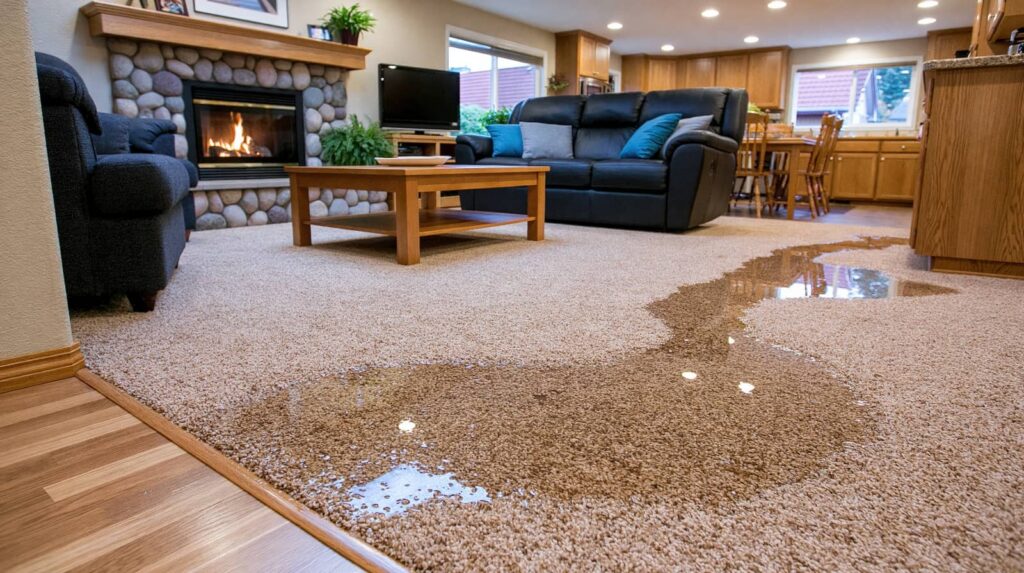
When basement water shows up, you need to act fast to limit damage and mold risk. Basement Water Mitigation starts with finding the source, then removing standing water, drying the space, and protecting exposed surfaces before they deteriorate further. You also need to clean up contaminated materials and control humidity. If the problem keeps returning, a flood damage pro can identify what’s causing the issue and help determine what needs to be fixed next.
Key Takeaways
- Stop the water source immediately and check plumbing, gutters, downspouts, and foundation cracks for leaks.
- Remove standing water fast with a wet vacuum, squeegee, or pump to prevent further damage.
- Improve drainage by clearing floor drains, extending downspouts, and directing runoff away from the foundation.
- Dry the basement thoroughly with fans and dehumidifiers, and remove saturated materials quickly.
- Call a water damage professional promptly to assess hidden moisture, hazards, and needed repairs.
Stop Basement Water at the Source
Before you tackle damp walls or puddles inside the basement, you need to stop water from entering at the source.
Start outside: clear gutters, extend downspouts, and grade soil so runoff moves away from your foundation. Seal visible cracks with hydraulic cement and inspect window wells, pipe penetrations, and cold joints for leaks.
If groundwater pressure keeps building, you may need sump pump installation to control seepage before it spreads. Pair that with waterproofing solutions such as exterior membranes or interior drainage channels, chosen to match your basement’s layout and moisture pattern.
You’re not fixing this alone; every step you take protects your home and helps your space stay dry, stable, and ready for the people who live there.
Remove Standing Water Fast
Start by locating the water source so you can stop more flooding before you remove what’s already there.
Use a wet vacuum to clear standing water quickly from the floor and corners.
Then improve drainage flow by opening clogged paths and redirecting water away from the basement.
Locate Water Source
First, find where the water’s coming in so you can stop the leak at the source and remove standing water fast. Start with a water detection scan around walls, floor joints, and window wells.
Check pipe runs, supply valves, and the water heater during a quick plumbing inspection. Use leak identification cues like damp insulation, peeling paint, rust, or mineral streaks.
Map wet spots across the slab and lower wall with moisture mapping so you can see the path, not just the puddle. If you’re part of a crew, assign one person to trace the source while another logs findings. That shared process helps you move like a team and prevents wasted effort.
Once you confirm the entry point, mark it clearly and prepare for the next repair step.
Use Wet Vacuum
Grab a wet vacuum and remove the standing water as soon as you’ve identified the source. Work in short passes, starting at the deepest area and pulling water toward the intake. Keep the nozzle flat so you don’t splash debris into walls or trim.
Empty the tank often to maintain suction and speed up effective water extraction. Use wet vacuuming techniques that match the floor type: a squeegee attachment helps on smooth concrete, while a narrow nozzle reaches corners and seams.
Wear gloves and non-slip shoes, and move cords clear of the work path. If the water is mixed with mud, take small loads to avoid clogging.
You’re not alone here; fast, steady cleanup protects your space and supports the whole crew.
Improve Drainage Flow
Once the visible water is out, clear the path so drainage can do its job. You can move fast by checking floor drains, trench channels, and sump inlets for debris.
If water still pools, push it toward low outlets with a squeegee or stiff broom. Your basement team should also inspect exterior runoff, because clogged gutters and poor landscape grading can send new water right back in.
Use these drainage solutions to restore flow:
- Open drain covers
- Remove mud and lint
- Flush lines with clean water
- Redirect downspouts away from walls
- Recheck after ten minutes
Work methodically, and you’ll protect the space you share from repeat flooding.
If drainage slows again, call a pro before moisture spreads into walls, joints, and stored items.
Dry the Basement Thoroughly
After you remove standing water, dry every affected surface as quickly as possible.
Use pumps, wet vacs, towels, or a squeegee to clear any remaining moisture, then increase air circulation with fans and a dehumidifier.
Keep airflow steady until the basement and hidden materials are fully dry.
Remove Standing Water
Start by removing all standing water as quickly as possible so moisture doesn’t keep seeping into walls, flooring, and framing. In this emergency response, use proven water removal techniques to reclaim the space fast and safely. You’re not dealing with a small puddle; every minute matters.
- Shut off the source if you can.
- Use a sump pump for deep water.
- Run a wet/dry vacuum on shallow water.
- Push water toward a drain or exit.
- Collect hidden water from corners and seams.
After the main area looks clear, check behind stored items and along the perimeter for trapped water. Dispose of saturated cardboard and textiles right away.
Keep your focus on total extraction, because a drier basement gives you the best shot at preventing further damage and staying in control.
Increase Air Circulation
With the standing water gone, you need to move air through the basement fast so moisture doesn’t linger in walls, framing, insulation, and flooring.
Set up box fans to create crossflow, aim one toward an open window or doorway, and keep interior doors open. Use dehumidifiers alongside fans for stronger drying, especially in humid conditions.
If your basement has vents, open them; if not, use temporary ducting or a window exhaust fan as practical ventilation solutions.
Check hidden corners, behind furniture, and under stairs, because trapped air slows drying.
These airflow techniques help your space dry evenly, reduce mold risk, and get your basement back to a safe, familiar place you can trust again.
Protect Walls and Floors From Damage
Even when you control the water source, moisture can still seep into basement finishes and cause long-term damage. You can protect your space by reinforcing surfaces before stains, swelling, or cracking start.
Use wall sealing and floor waterproofing to create a tighter moisture barrier, and treat every vulnerable joint.
- Inspect concrete and masonry for hairline cracks.
- Seal wall penetrations around pipes and conduits.
- Apply compatible waterproof coatings to floors.
- Install baseboard or edge flashing where needed.
- Monitor damp spots after storms or humidity spikes.
You’re not just defending materials; you’re keeping your basement usable and reliable for everyone who depends on it.
Choose products rated for below-grade use, follow cure times, and recheck problem areas each season.
Clean Up After Floodwater
After floodwater recedes, remove wet debris, mud, and standing water as soon as you can to limit mold growth and material damage.
Wear gloves, boots, and a respirator if needed, and shut off power to the basement first.
Follow floodwater safety rules by checking for hidden hazards, such as sharp metal, broken glass, and contaminated residue.
Use a wet/dry vacuum, squeegee, buckets, and mops from your emergency supplies to speed cleanup.
Bag debris tightly and carry it out before it soaks other areas.
Rinse hard surfaces with clean water, then scrub them with a detergent solution.
Keep windows open and fans running to improve airflow.
Work methodically, section by section, so you and your household can restore the space with confidence.
Prevent Basement Mold Growth
To prevent basement mold growth, dry every surface completely within 24 to 48 hours and keep humidity below 60 percent. You can protect your space with consistent mold prevention steps and tight humidity control.
Work fast, and don’t leave damp materials in place.
- Run fans to move air.
- Use a dehumidifier daily.
- Remove wet cardboard.
- Clean hard surfaces with detergent.
- Check hidden corners and wall edges.
Keep floors, insulation, and storage items dry, because mold spreads where moisture lingers.
Seal small leaks, monitor condensation, and track indoor humidity with a gauge. If you stay disciplined, you’ll build a healthier basement and a safer home environment that your whole household can trust.
Call a Flood Damage Repair Pro
When water damage affects walls, flooring, insulation, or electrical systems, call a flood damage repair pro right away so they can assess the full extent of the loss and start mitigation fast.
You’ll get a trained team that measures moisture, checks hidden cavities, and stops secondary flood damage before it spreads. Their restoration services can extract water, dry structural materials, sanitize affected areas, and document conditions for insurance.
You shouldn’t guess about wiring, HVAC, or load-bearing materials; a pro can spot hazards and recommend targeted repairs.
If you act quickly, you help your home recover faster and keep your crew of helpers aligned. Trusted restoration services also give you a clear plan, so you know what’s next and can protect your basement with confidence.
Frequently Asked Questions
How Can I Tell if Water Is Entering Through Foundation Cracks?
You can tell by checking for damp streaks, efflorescence, or active drips on cracks, then using moisture detection tools during a foundation inspection. If readings spike after rain, water’s likely entering through those cracks.
What Basement Items Should Be Moved First During a Flood?
You should move electronics, important documents, medications, and emergency supplies first. Next, lift furniture, photos, and stored valuables onto higher ground. Prioritize flood preparedness by protecting items that damage easily and support your household’s recovery.
Are Dehumidifiers Enough to Dry a Flooded Basement?
No, dehumidifiers alone won’t dry a flooded basement; they’re like a soft breeze over a soaked stone floor. You’ll need pumping, ventilation, and cleanup too. Dehumidifier efficiency improves after flood prevention steps reduce incoming water.
How Soon Should Electrical Systems Be Inspected After Flooding?
You should inspect electrical systems immediately after flooding, before you restore power. You’ll protect electrical safety, support flood preparedness, and catch hidden damage fast. If you’re unsure, call a licensed electrician right away.
Can Basement Water Damage Affect Indoor Air Quality?
Yes—basement water damage can hurt your indoor air quality. You’ll trap moisture, support mold growth, and reduce air circulation. Act fast, because even a knight’s armor wouldn’t save your lungs from lingering damp contaminants.
Review
When water sneaks into your basement, act fast and keep it from becoming a flood of problems. You can stop the source, remove standing water, dry the space, and protect surfaces before damage spreads. Clean up contaminated materials, control humidity, and watch for mold. If the situation feels like a battle you can’t win alone, call a pro. Like a ship in rough seas, your basement needs quick, steady hands to stay safe.