
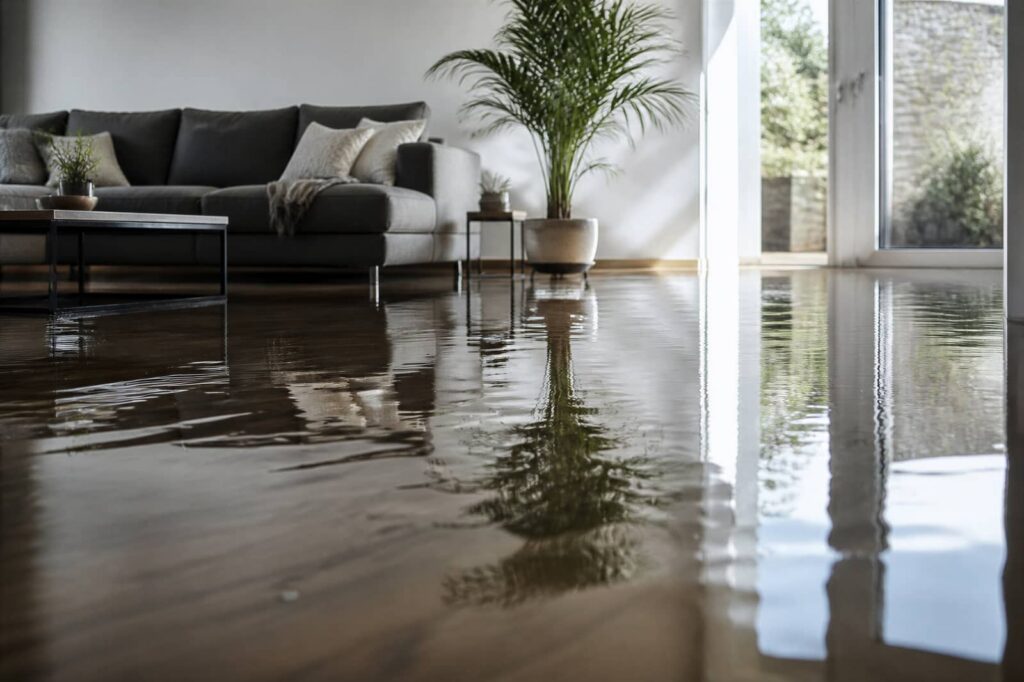
You probably don’t know that water damage can keep spreading even after the visible puddle is gone. Water Cleanup starts with stopping the source, cutting power if it’s safe to do so, and removing standing water quickly before moisture soaks deeper into materials. Then you can dry, clean, and inspect for mold or sewage risks while determining whether repairs or professional help are the right next step.
Key Takeaways
- Stop the water source immediately and shut off power if water reaches electrical areas.
- Remove standing water quickly, then dry surfaces with fans, dehumidifiers, and airflow.
- Clean and disinfect affected surfaces, checking carefully for mold or sewage contamination.
- Inspect for structural damage, including warped drywall, floors, trim, and insulation.
- Call professionals for contaminated water, soaked insulation, or hidden moisture problems.
Stop the Water at Its Source
Before you clean up any standing water, you need to stop the source so the problem doesn’t keep getting worse. Identify the water source quickly: a broken supply line, appliance failure, roof intrusion, or drain backup.
Use leak detection methods to trace moisture and confirm where flow begins. If you can’t isolate it immediately, call for a plumbing inspection so a technician can verify the failure point.
Take emergency measures only as needed, such as closing valves or redirecting flow away from vulnerable areas. Use water diversion to limit spread and support property protection while you prepare for cleanup.
Keep your response focused, calm, and efficient. When you act decisively, you protect your space and help your team restore control faster.
Shut Off Power and Stay Safe
If water has reached outlets, appliances, or wiring, shut off power to the affected area at the breaker panel and keep clear of any standing water until you know the circuit is de-energized. You’re protecting yourself and everyone in the space by treating every wet surface as a possible conductor.
Use a flashlight, not a switch, and if you can’t reach the panel safely, call a licensed electrician or your utility provider. These safety precautions help reduce electrical hazards and give your team a safer starting point.
Mark the affected rooms so no one enters, and don’t reset breakers until a qualified person confirms the system is dry and stable. Staying cautious now keeps your cleanup organized, controlled, and safer for everyone involved.
Remove Standing Water Fast
You should extract standing water as quickly as possible with a wet vacuum, pump, or professional extraction equipment to limit structural damage and microbial growth.
After removal, dry all wet surfaces immediately with air movers and dehumidifiers to reduce residual moisture.
Keep checking affected materials until they’re fully dry so you can prevent hidden water damage.
Fast Water Extraction
Start fast by removing standing water as soon as it’s safe to do so, because prompt extraction limits damage and reduces the risk of mold growth.
You should use proven water removal techniques, such as wet vacuums, squeegees, and pumps, to pull water from floors and low spots. Choose extraction equipment sized for the affected area so you can work efficiently and avoid unnecessary strain.
Move methodically from the farthest point toward the exit, and empty recovery tanks before they overflow. If electricity or structural damage is present, stop and call a qualified team.
When you act quickly and correctly, you protect the space and help your household regain control with confidence.
Drying Wet Surfaces
Once standing water is gone, dry the affected surfaces immediately to slow deterioration and limit microbial growth. You’ll want to move quickly and methodically, because every wet hour raises risk.
Start with clean towels, squeegees, and wet vacs for porous and nonporous materials. Lift rugs, separate furniture, and expose hidden moisture behind baseboards and under edges.
Use dehumidifier use to pull moisture from the air, and combine it with ventilation techniques like opening interior doors, running fans, and exhausting humid air outdoors.
Check walls, floors, and trim with a moisture meter until readings normalize. When you work together and keep the space moving, you protect the structure, restore comfort, and help everyone feel confident the cleanup is on track.
Move Furniture and Salvage Items
Lift furniture and other movable items out of the affected area as soon as it’s safe to do so. You’ll reduce structural load, protect finishes, and keep your team’s path clear.
Use furniture protection, such as pads or plastic barriers, to shield clean pieces from contamination. Apply salvage techniques by separating porous items, valuables, and documents so you can prioritize what belongs in recovery.
Tag each item, move it to a dry staging space, and keep hardware together in labeled bags.
- Unplug and inspect before moving
- Lift with proper body mechanics
- Wrap sharp edges and fragile corners
- Log damaged items for recovery
Dry Floors, Walls, and Carpets
With furniture and loose items out of the way, focus on drying all exposed surfaces as quickly as possible. You should open windows if weather allows, run fans across floors, and direct airflow along baseboards and carpet edges.
Blot standing water with clean towels, then lift carpet corners so the backing can dry evenly. For wood or laminate, keep heat moderate to prevent warping. Use dehumidifier use to pull excess vapor from the air and speed evaporation throughout the room.
Replace soaked padding if needed, and check that moisture barriers aren’t trapping water beneath surfaces. Work methodically, room by room, so you can track progress and feel confident each area is improving.
When surfaces stay dry to the touch, you’ve built a solid foundation for the next cleanup step.
Clear Moisture From Hidden Spaces
Even after visible surfaces dry, moisture can remain trapped in wall cavities, under flooring, and inside cabinets, so you’ll need to check these concealed areas directly.
Use a moisture meter, remove access panels, and feel for cool spots that signal hidden moisture. If you notice swelling, soft drywall, or damp insulation, act quickly and ventilate the space.
- Lift a corner of flooring to inspect the subfloor.
- Open cabinet toe kicks and look behind plumbing lines.
- Pull back baseboards to release trapped air.
- Monitor insulation concerns and replace saturated material.
You’re not alone in this step; careful inspection helps your home recover with confidence.
Keep air moving, dehumidifiers running, and checks consistent until readings stay stable.
Clean and Disinfect Water-Damaged Areas
Once the affected areas are dry, you should clean hard surfaces with warm water and a detergent to remove dirt, residue, and any visible contamination.
Then disinfect them with a product labeled for the material and the type of water exposure. Follow the contact time on the label so the disinfectant can work fully.
Use clean cloths or mops, and change the solution when it looks dirty. Rinse food-contact surfaces after disinfection, if the label requires it.
Wear gloves, ventilate the space, and keep children and pets out until surfaces are dry.
This routine helps restore water quality in your home and lowers health risks from lingering contaminants.
If you stay methodical, you’re taking the right steps toward a safe, usable space again.
Check for Mold and Sewage Risks
You should inspect water-damaged areas for mold growth signs such as discoloration, musty odors, and visible surface colonies.
Check for sewage contamination by looking for backups, staining, or residue near drains, floors, and lower walls.
If you find either risk, you’ll need to isolate the area and use the correct protective and cleanup measures.
Mold Growth Signs
When water damage lingers, check for mold growth and sewage contamination right away, because both can create serious health and structural risks. You can spot mold by musty odors, fuzzy patches, discoloration, warped drywall, and damp insulation. These signs often appear within 24 to 48 hours, so act quickly.
- Inspect hidden corners, baseboards, and behind furniture.
- Track moisture with a hygrometer or meter.
- Use mold prevention tips: dry surfaces, lower humidity, and improve airflow.
- Follow safe mold removal techniques only on small, nonporous areas.
If you notice spreading growth, stop cleanup and call a qualified professional.
You’re not dealing with this alone; careful inspection helps you protect your space, your team, and your peace of mind.
Sewage Contamination Checks
Sewage contamination needs immediate attention because it can expose you to bacteria, viruses, and hazardous debris. You should inspect walls, floors, insulation, and hidden cavities for dark staining, slimy residue, and strong odors.
If you see backed-up drains, toilet overflow, or stormwater intrusion, treat those as contamination sources and assume the water is unsafe. Wear gloves, boots, and a mask while you document affected areas. Keep children and pets away, and isolate the room if you can.
For sewage safety, remove porous materials that stayed wet, then clean hard surfaces with approved disinfectant. If odor persists or moisture remains, call a licensed cleanup team. You’re not handling this alone; careful checks help protect your space and your community.
Fix Warped Floors, Drywall, and Trim
Once the structure dries, inspect floors, drywall, and trim for swelling, buckling, or separation. You’ll protect structural integrity by documenting damage, then planning floor repair, trim replacement, and drywall installation in the affected zones.
Use moisture barriers before reinstalling finishes, and choose water resistant materials where splash exposure may continue. For subfloor damage, compare flooring alternatives such as engineered plank or tile, balancing aesthetic considerations with cost implications and long term maintenance.
Cut back softened drywall to solid edges, patch seams, and confirm fastener hold. Replace warped baseboards and casing so joints stay tight and the room feels cohesive.
You’re restoring a space that belongs to you, and precise repairs help it look right, perform reliably, and stay easier to maintain.
When to Call Water Damage Cleanup Pros
If the water has soaked insulation, spread behind walls, touched electrical systems, or come from a contaminated source, you should call water damage cleanup pros right away.
You’re not overreacting; you’re protecting your home and everyone in it.
When you notice water damage signs like odor, staining, swelling, or recurring dampness, the problem may already be hidden in framing or subflooring.
Professionals use moisture meters, thermal imaging, and controlled drying to stop structural decay and mold growth.
They’ll also help you document losses and coordinate repairs.
If you’re unsure, trust your instincts and get an inspection.
The right team gives you clear next steps and practical prevention tips so you can restore your space with confidence and stay connected to a safer, healthier home.
Frequently Asked Questions
What Insurance Documents Should I Gather After Water Damage?
Gather your policy, photos, videos, repair estimates, receipts, and any plumber or mitigation reports. These documents support the claim process, clarify deductible amounts, and help you feel prepared, informed, and included throughout recovery.
How Long Does Water Cleanup Usually Take?
You’ll usually need 1–7 days, depending on damage severity, drying equipment, and cleanup efficiency. Your water damage timeline shortens when you act fast, document conditions, and work with a coordinated team that keeps you informed.
Can I Stay in My Home During Minor Flooding?
Yes, you can stay if water’s shallow, power’s off, and flood safety checks pass; you should monitor conditions, secure valuables, and keep an emergency kit ready, because you’re protecting yourself and your home.
What Smells Indicate Hidden Water Damage?
You’ll notice hidden water damage through musty odors, mildew growth, damp earth smells, or sour, stale air. These signals often mean moisture lingers behind walls or floors, so you should inspect promptly and safely.
Should I Replace Soaked Insulation Immediately?
Yes—you should replace soaked insulation immediately; hidden mold starts in damp cavities. You’ll protect your home’s thermal barrier, reduce odors, and support insulation replacement with faster drying and reliable containment.
Conclusion
If you act fast, you can limit damage and restore your space safely. For example, if a burst supply line soaks your kitchen at 2 a.m., shutting off the water, killing power, and extracting standing water within minutes can stop mold before it starts. Dry everything thoroughly, disinfect all affected surfaces, and replace compromised materials as needed. If you’re dealing with sewage, hidden moisture, or major structural damage, call water cleanup professionals right away.