When unexpected water intrusion occurs, it can lead to unwelcome guests—mold being one of the most persistent. To effectively prevent this, you need to act swiftly and strategically. Immediate water removal is just the beginning; understanding the nuances of drying techniques and humidity control is essential. But are you aware of how ventilation plays a pivotal role in this water damage process? Exploring these steps can greatly reduce your risk of mold growth in the aftermath.
Key Takeaways
- Act quickly to remove standing water using pumps or wet vacuums within 24-48 hours to minimize mold growth risk.
- Utilize high-quality drying equipment, such as dehumidifiers and air movers, to achieve optimal airflow and reduce humidity levels.
- Ensure proper ventilation by opening windows, using exhaust fans, and maintaining mechanical ventilation systems in moisture-prone areas.
- Regularly monitor indoor humidity with a hygrometer, keeping levels between 30-60% to discourage mold development.
- Inspect for leaks and structural cracks, and address moisture sources promptly to prevent mold recurrence in the future.
Identify the Risks of Mold From Water Damage: Here’s How to Prevent It
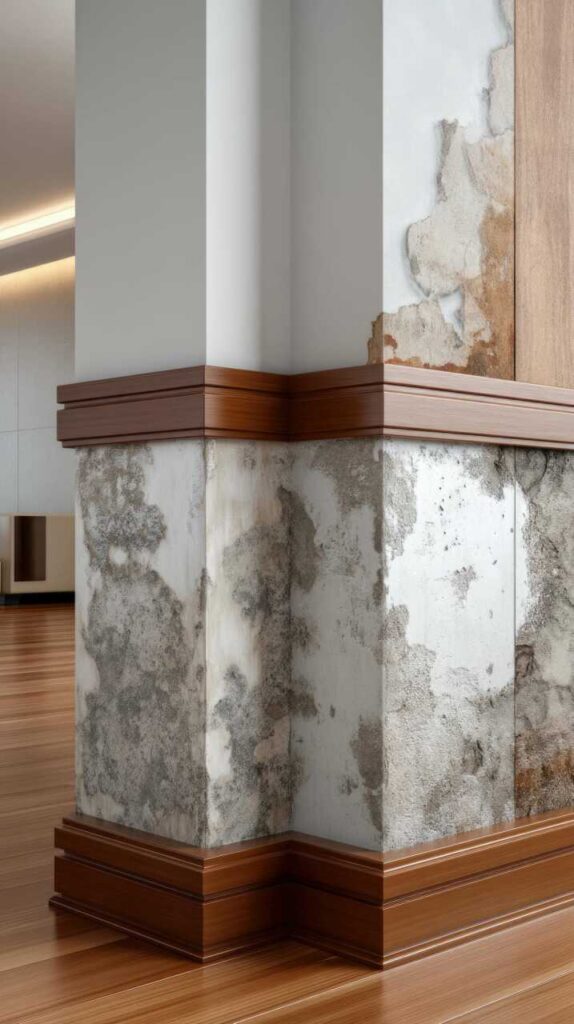
When water damage occurs, it creates an ideal environment for mold to thrive, making it essential to understand the associated risks.
Mold can lead to health issues and structural damage, jeopardizing your home and wellbeing. To mitigate these risks, begin with a thorough water damage assessment to identify affected areas.
Implement mold prevention strategies such as ensuring proper ventilation, using dehumidifiers, and sealing leaks.
Regularly inspect hidden spaces, like basements and attics, for early signs of moisture.
By taking proactive measures, you protect your living space and foster a sense of community responsibility.
Act Quickly: The Importance of Immediate Water Removal
After evaluating the risks of mold due to water damage, the next step is to act swiftly. Immediate action is essential; the longer standing water remains, the higher the chance for mold growth.
Focus on water extraction as your first priority. Utilize pumps, wet vacuums, or professional services to remove water quickly and efficiently. This minimizes damage and greatly reduces the likelihood of mold developing.
Remember, mold can begin to grow within 24-48 hours if conditions are right. Your proactive response can make all the difference.
Best Drying Techniques to Eliminate Moisture
To effectively eliminate moisture after water damage, employing the right drying techniques is crucial. Start by using high-quality drying equipment, such as dehumidifiers and air movers, to accelerate moisture absorption.
Position these devices strategically to ensure ideal airflow throughout the affected areas. Monitor humidity levels regularly; aim for below 60% to prevent mold growth.
For porous materials like carpets and drywall, consider extraction methods that remove water before drying. Additionally, utilizing thermal imaging can help identify hidden moisture pockets.
Why Ventilation Is Key for Mold Prevention
Proper ventilation is essential for preventing mold growth, especially after water damage occurs. By implementing effective ventilation types, you can greatly reduce humidity levels and promote airflow management within your space.
Open windows and doors to enhance natural ventilation, or consider using exhaust fans in areas prone to moisture, like bathrooms and kitchens. Mechanical ventilation systems can also help circulate air, keeping it fresh and dry.
Remember, stagnant air invites mold, so maintain consistent airflow to prevent damp conditions. Regularly checking and cleaning vents ensures they function well.
Use Dehumidifiers: Essential for Mold Prevention
To effectively prevent mold growth, you need to maintain ideal humidity levels in your home.
Positioning dehumidifiers correctly ensures they operate efficiently, removing excess moisture where it’s most needed.
Optimal Humidity Levels
While you mightn’t realize it, maintaining ideal humidity levels is crucial in preventing mold after water damage. Effective humidity control is essential for moisture management, especially in affected areas.
Aim to keep indoor humidity between 30-60% to discourage mold growth.
Here are some tips to help you achieve optimal humidity levels:
- Use dehumidifiers to extract excess moisture.
- Ventilate rooms by opening windows or using exhaust fans.
- Monitor humidity regularly with a hygrometer.
- Seal leaks in walls or roofs to prevent water intrusion.
- Insulate pipes and walls to reduce condensation.
Proper Placement Techniques
Achieving ideal humidity levels is only part of the mold prevention puzzle; where you place your dehumidifiers plays a crucial role in their effectiveness.
To maximize their impact, you need to use proper equipment and ensure strategic airflow throughout the affected area. Position your dehumidifiers in central locations, away from walls or furniture that could obstruct airflow.
Make sure to keep doors and windows closed to maintain a controlled environment. Additionally, consider using multiple units if the space is large or if there are several problem areas.
Effective Cleaning Products to Combat Mold
When combating mold, choosing the right cleaning products is essential.
You can opt for effective commercial mold removal products or create your own DIY solutions that target mold growth.
Understanding their active ingredients and application methods will help you select the best option for your situation.
Best Mold Removal Products
Choosing the right mold removal products is essential for effectively combating mold after water damage.
Utilizing effective cleanup methods will tackle existing mold and support your mold prevention strategies. Here are some top products to evaluate:
- Bleach: A powerful disinfectant that kills mold on non-porous surfaces.
- Vinegar: An eco-friendly option that can penetrate porous materials.
- Baking Soda: Great for deodorizing and removing mold without harsh chemicals.
- Hydrogen Peroxide: An antifungal agent effective against mold on various surfaces.
- Commercial Mold Removers: Formulated specifically for mold, these products often target stubborn infestations.
DIY Cleaning Solutions
To effectively combat mold, you can turn to a variety of DIY cleaning solutions that are both accessible and potent.
Homemade sprays using vinegar solutions are great for breaking down mold and preventing regrowth. Baking soda mixed with water acts as a gentle abrasive, perfect for scrubbing surfaces.
For a more fragrant approach, consider adding essential oils like tea tree oil to your cleaning mix, as they possess natural antifungal properties. Hydrogen peroxide is another powerful option; it can kill mold spores effectively.
Ultimately, soap solutions combined with water can help remove mold without harsh chemicals.
How to Monitor Humidity to Keep Mold Away
How can you effectively monitor humidity levels to prevent mold growth? Keeping track of humidity measurement is essential for mold control. Ideally, you want indoor humidity to stay between 30% and 60%.
Here are some practical steps to help you manage humidity effectively:
- Use a hygrometer to regularly check humidity levels.
- Ventilate areas prone to moisture, like bathrooms and kitchens.
- Run dehumidifiers in damp spaces.
- Keep windows closed during humid weather to minimize moisture entry.
- Regularly inspect areas like basements for signs of water accumulation.
How to Spot and Fix Structural Issues to Prevent Mold
While structural integrity often goes unnoticed, it plays an essential role in preventing mold growth. Start by inspecting your home for any signs of damage, like cracks in walls or sagging ceilings.
These issues can compromise moisture barriers, allowing dampness to seep in. Check your foundation and roof for leaks; even minor issues can lead to significant problems.
If you find areas with excessive moisture, consider sealing them with waterproof materials to restore structural integrity.
Additionally, ensure proper drainage around your property to direct water away from your foundation.
When to Call in the Pros for Mold Issues?
When should you consider bringing in professionals to tackle mold issues? If you notice significant mold growth or smell a musty odor, it’s time to act. A professional assessment can provide a thorough mold inspection, identifying hidden problems that you might miss.
Consider calling in experts if:
- You’ve experienced extensive water damage.
- Mold covers an area larger than 10 square feet.
- You or your family members have health issues related to mold exposure.
- You’re unsure about the source of the moisture.
- DIY methods haven’t resolved the problem.
Addressing mold promptly protects your home and ensures the well-being of your loved ones.
Don’t hesitate—professional help can make all the difference.
Frequently Asked Questions
Can Mold Grow in Walls After Water Damage?
Yes, mold can grow in walls after water damage if moisture control isn’t implemented. You need to address leaks and humidity quickly to prevent mold growth, ensuring your home stays safe and comfortable for everyone.
What Are the Health Risks Associated With Mold Exposure?
Exposure can trigger mold symptoms like respiratory issues and allergic reactions, leading to significant health effects, especially for those with asthma or compromised immune systems.
How Long Does It Take for Mold to Develop?
Mold can develop within 24 to 48 hours, depending on environmental factors like humidity and temperature. Understanding the mold growth timeline helps you act quickly, minimizing health risks and damage to your space.
Are There Mold-Resistant Building Materials Available?
Absolutely, there are mold-resistant building materials available. By employing mold prevention strategies and moisture control techniques, you create a welcoming environment that minimizes mold risk while ensuring your space feels safe and comfortable for everyone.
Is It Safe to Return Home Before Mold Remediation?
It’s not safe to return home until mold remediation is complete. The remediation timeline varies, but ensuring home safety should be your priority. Check for lingering moisture and consult professionals before re-entering to prevent health risks.
Review
By acting swiftly and following these steps, you can create a fortress against mold after water damage. Think of your home as a ship; keep it watertight and well-ventilated to sail smoothly through the storm. Monitor humidity like a watchful captain, ensuring it stays below 60%. With the right tools and techniques, you’ll prevent mold and safeguard your space for the long haul. Don’t let dampness anchor you down—stay proactive and vigilant.