When evaluating flood damage, you need to employ precise techniques to ensure an accurate assessment. Identifying visible indicators like water marks and mold growth is just the start. Tools such as moisture meters and thermal imaging can uncover hidden issues, providing a clearer picture of the damage. A systematic approach to visual inspections is essential. Understanding these methods can notably impact your decisions on restoration or replacement, especially when considering insurance requirements. What comes next could change everything.
Key Takeaways
Document visible damage with photographs for insurance claims and future reference, focusing on structural issues and mold growth.
Utilize moisture meters for accurate moisture detection, identifying affected areas that may not be immediately visible.
Conduct a thorough visual inspection checklist, examining walls, floors, electrical systems, and HVAC for water-related damage.
Review your flood insurance policy to ensure coverage aligns with damage assessments and understand potential exclusions.
Evaluate the condition of damaged items, comparing restoration costs with replacement expenses while considering emotional attachments.
How to Identify and Assess Flood Damage Effectively
When evaluating flood damage, it’s crucial to approach the situation methodically to ensure no detail is overlooked.
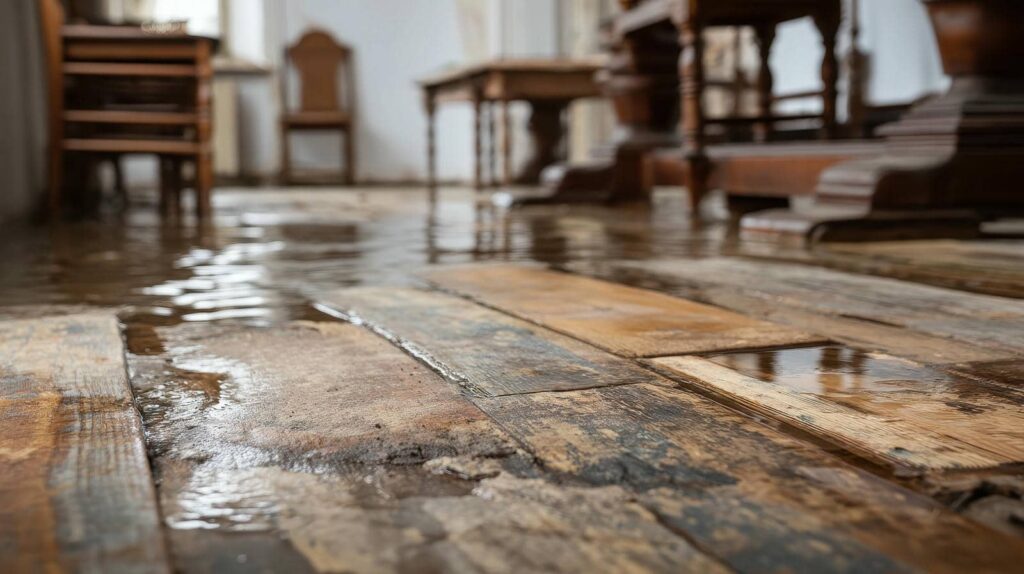
Start by documenting visible damage, including structural issues, water stains, and mold growth. Take photographs for insurance claims and future reference.
Assess the extent of water intrusion and categorize the damage—primary and secondary effects can differ markedly.
Engage with emergency response teams to understand the broader impact and potential hazards in your area.
Review your flood insurance policy to determine coverage limits and necessary documentation for claims.
This systematic approach aids in accurate assessment and fosters a sense of community as you connect with others facing similar challenges.
Prioritize safety, and make sure you address immediate concerns while planning for long-term recovery.
Key Indicators of Flood Damage
Identifying key indicators of flood damage is essential for effective assessment and recovery. Recognizing these flood indicators helps you understand the extent of various damage types and prioritize repairs.
Here are four critical indicators to evaluate:
Water Marks – Stains on walls and furniture show the flood level and duration.
Mold Growth – The presence of mold indicates prolonged moisture exposure, posing health risks.
Structural Damage – Cracks in walls or foundations reveal potential safety hazards.
Saturated Materials – Wet insulation, carpeting, or drywall may need complete replacement.
How Moisture Meters Help Assess Damage
Evaluating flood damage goes beyond just visual indicators; it often requires precise measurement to determine the true extent of moisture intrusion.
Moisture meters play an essential role in this damage assessment. These devices allow you to perform accurate moisture detection in various materials, including wood, drywall, and concrete.
By measuring the moisture content, you can identify affected areas that may not be immediately visible, ensuring that no hidden damage is overlooked. Understanding the readings helps you make informed decisions about repairs and remediation efforts, fostering a sense of community responsibility in recovery.
Utilizing moisture meters enhances your evaluation process and supports effective restoration strategies that protect your environment and property.
Finding Hidden Water Issues With Thermal Imaging
Thermal imaging is a powerful tool for identifying hidden water issues that traditional methods might miss.
By detecting temperature variations on surfaces, you can pinpoint moisture traces that indicate potential damage.
This technology enhances your assessment accuracy and helps prioritize remediation efforts effectively.
Benefits Of Thermal Imaging
Hidden water issues can wreak havoc on properties, often going unnoticed until significant damage occurs.
Utilizing thermal imaging is a powerful method for proactive damage detection and enhancing thermal efficiency. Here are some key benefits:
Early Detection: Identify hidden leaks before they escalate, saving you from costly repairs.
Reduced Downtime: Quick assessments allow for faster restoration, minimizing disruptions to your life.
Accuracy: Thermal imaging pinpoints problem areas with precision, ensuring targeted interventions.
Comprehensive Assessment: Evaluate entire structures efficiently, revealing issues that traditional methods might miss.
Identifying Moisture Traces
Detecting moisture traces in a property can be challenging, but thermal imaging technology simplifies the process considerably. By using thermal cameras, you can identify hidden moisture sources that traditional detection methods often overlook. These cameras reveal temperature variations, indicating areas where moisture may be present behind walls, under floors, or in ceilings.
When you analyze these thermal images, you can pinpoint potential leaks or water damage before they escalate. This proactive approach not only saves time but also reduces repair costs.
Understanding the relationship between temperature anomalies and moisture can enhance your evaluation process, creating a thorough picture of a property’s condition. Ultimately, leveraging thermal imaging promotes a deeper sense of belonging in your community by ensuring safe, dry living environments.
Conducting Visual Inspections: What to Check First
When you begin a visual inspection for flood damage, it’s crucial to prioritize key areas that can reveal the extent of the impact.
Following a flood inspection checklist ensures you don’t overlook critical elements. Always remember to take safety precautions to protect yourself during the evaluation.
Focus on these areas:
Walls and Baseboards: Check for discoloration or peeling paint, indicating moisture.
Floors: Look for warping or buckling, which can signal underlying damage.
Electrical Systems: Inspect outlets and wiring for corrosion or water exposure.
HVAC Systems: Examine units for water entry and rust, affecting air quality.
Documenting Damage: Photography and Reporting Essentials
Effective documentation of flood damage is essential for evaluating the full scope of the impact and facilitating insurance claims.
Start by capturing thorough photographic evidence of all affected areas, ensuring you take wide shots for context and close-ups for specific damage details. Use natural light to enhance clarity and avoid shadows that obscure critical features.
Organize your images systematically, labeling them with dates and descriptions to create a coherent narrative of the damage.
Alongside your photographs, prepare a detailed report outlining the extent of the damage, including measurements and any potential safety hazards.
This damage documentation, combining visuals and written accounts, will substantiate your claims and streamline the recovery process, fostering a sense of community support during a challenging time.
How to Engage Professionals for Flood Restoration
When engaging professionals for flood restoration, you need to assess their credentials and experience thoroughly.
Requesting detailed estimates is vital to ensure transparency in the restoration process and to avoid unexpected costs.
This approach helps you make informed decisions that align with your specific needs.
Assess Credentials and Experience
To successfully navigate the complexities of flood restoration, you must prioritize evaluating the credentials and experience of potential professionals. This process ensures you’re entrusting your home to qualified experts.
Here are key steps to reflect on:
Credential Verification: Confirm licenses and certifications relevant to flood restoration and damage assessment.
Experience Assessment: Look for professionals with a proven track record in similar restoration projects.
Client Testimonials: Seek feedback from previous clients to gauge satisfaction and reliability.
Industry Affiliations: Check for memberships in professional organizations that uphold industry standards.
Request Detailed Estimates
Once you’ve verified the credentials and experience of potential flood restoration professionals, the next step involves requesting detailed estimates. This enables you to conduct a thorough cost assessment, ensuring you understand the financial implications of the restoration process.
When you ask for estimates, specify the scope of work, materials needed, and timelines. This clarity helps professionals provide accurate figures that align with your insurance claims. Pay attention to any hidden fees or exclusions in their proposals; transparency is key.
Restoration vs. Replacement: What to Consider After Flood Damage
How do you determine whether to restore or replace items after flood damage? This decision hinges on several factors that impact both your finances and emotional well-being.
Condition of the item: Is it structurally sound or severely damaged?
Restoration costs: Are the expenses justifiable compared to replacement?
Sentimental value: Does the item hold irreplaceable memories or significance?
Replacement timelines: How long will it take to get a suitable replacement?
Carefully weigh these considerations to make an informed choice.
Frequently Asked Questions
What Are the Long-Term Health Effects of Flood Damage Exposure?
Long-term exposure to flood damage can lead to significant health implications, including respiratory issues from mold and dampness, and psychological effects like anxiety or depression, impacting your overall well-being and quality of life.
How Can I Prevent Mold After Flooding Occurs?
To prevent mold after flooding, focus on moisture control. Quickly dry affected areas, use dehumidifiers, and ensure proper ventilation. For persistent issues, consider professional mold remediation to safeguard your environment and health effectively.
What Insurance Coverage Is Available for Flood Damage?
You’ve got several flood insurance options, including the National Flood Insurance Program. Each policy has specific coverage limits, often based on property value, so it’s essential to assess your needs and ensure adequate protection.
Are There Government Assistance Programs for Flood Victims?
Yes, there are government assistance programs for flood victims. You can access disaster relief and financial aid through FEMA, local agencies, or nonprofit organizations, ensuring you get the support needed to rebuild and recover effectively.
How Does Climate Change Impact Flood Risks?
Climate change alters climate patterns, increasing flood risks in vulnerable areas. You must conduct thorough risk assessments to understand these shifts, enabling proactive measures for communities to adapt and mitigate potential flood impacts effectively.
Recap
In evaluating flood damage, you’re not just evaluating physical harm; you’re also making critical decisions that impact your recovery. By utilizing moisture meters, thermal imaging, and thorough visual inspections, you can uncover hidden issues that might otherwise go unnoticed. So, how can you ensure you’re making the best choices between restoration and replacement? Engaging professionals and documenting your findings thoroughly will help you navigate the complexities of your situation and align with insurance requirements for a smoother claims process.