
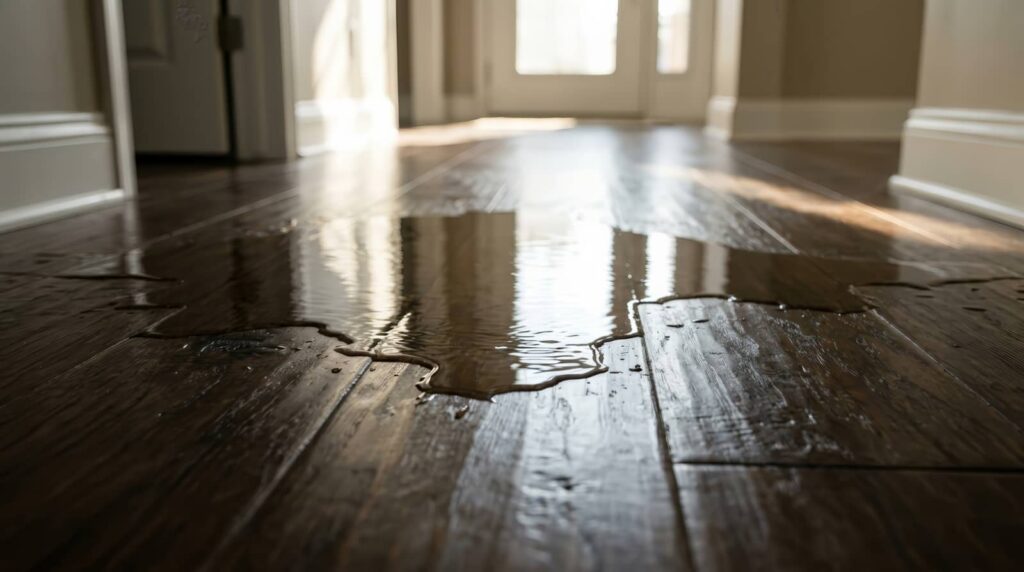
When water spills into your basement, it moves like a slow, costly tide. Emergency Basement Water Mitigation starts with acting fast: document the damage, shut off power and water safely, then begin removing standing water before it spreads. From salvageable items to mold control and sewage cleanup, each step can change the outcome, but the hidden damage you can’t see may matter most.
Key Takeaways
- Shut off power and the main water valve, then document the waterline and move valuables to dry ground immediately.
- Remove standing water with a wet/dry vacuum or pump, and discharge it safely away from the foundation.
- Check for hidden damage, mold, and musty odors behind walls, under flooring, and around sump pits.
- Dry the basement quickly with fans and dehumidifiers, while monitoring moisture levels until fully stabilized.
- Call water mitigation professionals if water reaches electrical systems, or if walls, insulation, or flooring stay wet after 24 hours.
What to Do in the First Hour
In the first hour after basement flooding, you need to act fast to limit structural damage and contamination. Enter only if it’s safe, then document the waterline with photos for your records.
Move furniture, boxes, and electronics to dry ground, and protect keepsakes with plastic sheeting. If you keep emergency supplies ready, you can start quickly with gloves, boots, towels, and a pump.
Check basement drainage points for blockages so trapped water can’t spread farther. Remove shallow standing water with a wet vacuum or bucket, working from the edges toward the drain. Open windows if weather allows to improve airflow.
Gather your household team, assign tasks, and stay calm; your quick, coordinated response helps everyone protect the space and recover together.
Shut Off Water and Power Safely
Before you do anything else, cut off the sources that can keep feeding the flood. Locate the main water valve and turn it clockwise until it stops. If you can’t reach it safely, call your utility or a plumber and tell them you need an emergency shutoff.
Next, go to the electrical panel and switch off power to the basement, then shut off the main breaker if water has reached outlets, appliances, or exposed wiring.
Keep your hands dry, stand on a dry surface, and never touch energized equipment with wet shoes or metal tools. If you smell gas, leave immediately and contact the utility from outside.
You’re not overreacting; you’re protecting your space, your crew, and the rest of the house.
Remove Standing Water From the Basement
Now that the basement is safe to enter, start removing standing water as quickly as you can. Use a wet/dry vacuum for shallow pooling, or a pump for deeper water. Aim discharge outdoors, away from the foundation, so you don’t recycle moisture back inside.
If you have a sump pump, verify that it runs continuously and clears the basin; if it stalls, switch to backup drainage solutions right away. Work in sections so you can track progress and keep the floor stable.
- Measure water depth first.
- Place hoses and cords above wet areas.
- Empty collection tanks before they overflow.
- Recheck corners and low spots after each pass.
You’ve got this; steady, methodical removal protects your basement and keeps your crew focused.
Save Belongings During Cleanup
You should sort belongings immediately and prioritize salvageable items, such as documents, electronics, and finished furniture.
Move wet items to a dry, ventilated area right away and use fans or dehumidifiers to accelerate drying.
Separate saturated materials from dry ones so you can prevent cross-contamination and reduce further damage.
Prioritize Salvageable Items
Start by separating items into three groups: keep, clean, and discard, so you can protect salvageable belongings without wasting time on irrecoverable damage.
You’ll feel more in control when you tag priority items first and apply salvage techniques consistently. Move through the space with purpose and protect what your household can truly recover.
- Keep: sealed plastics, metal tools, and dry containers
- Clean: furniture, decor, and washable textiles
- Discard: soaked drywall scraps, swollen particleboard, and contaminated paper goods
- Verify: check labels, structural integrity, and visible mold before you decide
This triage keeps your process efficient and helps you preserve the items that matter most to your home and crew.
Dry Items Quickly
Once you’ve sorted keep-and-clean items, move them to a dry, ventilated area and begin drying immediately to limit mold growth, staining, and material failure.
Set up air circulation with fans so moving air reaches all exposed surfaces, including undersides and seams. Choose dehumidifier options sized for the room; run them continuously and close nearby windows to keep humid outdoor air out.
Elevate belongings on blocks or shelving so moisture doesn’t wick back from the floor. Open drawers, books, and cases slightly to expose hidden moisture, but avoid forcing warped parts.
Check progress every few hours and adjust fan direction if pockets stay damp. You’re protecting what matters most, and this disciplined drying step helps your space feel recoverable, not lost.
Separate Wet Materials
Separate wet materials from dry ones immediately so moisture doesn’t spread, stain adjacent items, or accelerate mold growth. You should sort by wet material types, because carpet, paper, insulation, and textiles absorb water at different rates.
Place each group in separate, labeled piles or bins, and keep air gaps between them to reduce moisture absorption.
- Move saturated fabrics away from books and electronics.
- Stack drywall, wood, and cardboard separately for inspection.
- Bag small contaminated items before transport.
- Mark salvageable belongings so your team can return to them quickly.
As you work, wear gloves and keep a clean pathway. This organized separation helps you protect what matters, stay coordinated with your crew, and make later drying, cleaning, and disposal faster and safer.
Keep Mold From Spreading
To keep mold from spreading, you need to stop every moisture source at once, including leaks, seepage, and wet HVAC components.
Remove standing water, then dry affected materials quickly with fans, dehumidifiers, and ventilation so surfaces don’t stay damp.
Inspect hidden cavities and porous items for residual moisture, because mold can expand fast in enclosed basement spaces.
Stop Moisture Sources
Cut off every remaining moisture source as soon as the standing water is under control, because mold can spread quickly in damp basement materials. You’ve got to isolate seepage paths so your team can work cleanly and safely.
- Seal wall and floor cracks with compatible patching materials.
- Repair leaking pipes, valves, and hose connections right away.
- Install moisture barriers where vapor keeps entering the space.
- Improve drainage solutions so water moves away from the foundation.
Run a dehumidifier only after you close active leaks, and keep doors and windows shut if outdoor air is humid.
Check sump pumps, downspouts, and window wells for backups. When you control each source, you protect the whole basement community from avoidable mold growth and keep mitigation on track.
Dry Affected Materials
Pull wet materials out of the growth zone as fast as you can, then dry what stays in place so mold doesn’t get a foothold. You should start water removal within hours, because porous items soak up spores and spread them.
Bag carpet, insulation, cardboard, and saturated fabric for disposal if they can’t dry quickly. Open cabinet doors, lift furniture on blocks, and expose hidden surfaces.
Use fans, dehumidifiers, and HVAC-safe drying techniques to move air across walls, framing, and concrete. Keep humidity low and check moisture with a meter until readings stabilize.
If you’re part of a cleanup crew, coordinate so everyone clears, dries, and monitors the same zones. Fast, disciplined action protects your space and helps your household recover together.
Clean Up Sewage Backups Safely
When sewage backs up into your basement, you need to treat the area as a biohazard and start with strict containment: keep people and pets out, shut off power to affected circuits if you can do so safely, and wear gloves, boots, eye protection, and an N95 or better respirator before you enter.
For sewage safety, remove standing waste with cleanup equipment sized for contaminated water, then bag solids in leakproof containers.
- Pump or wet-vac the floodwater.
- Scrub hard surfaces with detergent and hot water.
- Disinfect with a registered sanitizer at the label’s contact time.
- Seal contaminated debris for pickup.
Work methodically, keep tools separate from clean areas, and wash your gear after each task.
You’re not handling this alone; disciplined cleanup protects everyone in the home.
Check for Hidden Flood Damage
Even after the visible water is gone, you still need to check for hidden flood damage behind walls, under flooring, and inside insulation. Use a flashlight, moisture meter, and your nose to spot warped trim, soft drywall, staining, and musty odors.
Tap suspect surfaces; hollow or dull sounds can signal trapped moisture. Pull back baseboards and lift a corner of flooring if you can do so safely. Inspect around sump pits, pipe penetrations, and window wells, where hidden leaks often start.
Track readings in each area so you can compare drying progress. Good flood detection means you don’t miss damp pockets that later feed mold. If your crew stays methodical, you’ll protect the space and help everyone feel confident the basement’s truly drying.
When to Call Water Mitigation Pros
If the water covers a large area, keeps returning, or has reached electrical systems, you should call water mitigation pros right away. You’re safest when you stop DIY work and get a fast water damage assessment. Their team can measure saturation, identify hidden moisture, and decide whether drying alone will work.
- Call after sewage, storm, or contaminated water enters.
- Call when walls, insulation, or flooring stay wet after 24 hours.
- Call if mold, odor, or warped materials appear.
- Call when you need professional equipment for extraction and dehumidification.
You don’t have to handle basement damage alone.
Working with specialists helps you protect your home, shorten downtime, and join neighbors who respond quickly and effectively.
Frequently Asked Questions
How Do I Estimate Basement Water Damage Costs?
Estimate it by combining cost assessment for cleanup, repairs, and replacements with damage evaluation of walls, flooring, insulation, and mold. You’ll want contractor quotes, moisture readings, and labor estimates to build a practical total.
Can Basement Flooding Affect My Home Insurance Claim?
Yes, basement flooding can affect your home insurance claim if you lack insurance coverage for water damage. You’ll need to document losses carefully, notify your insurer quickly, and follow the claim process precisely to improve approval chances.
What Permits Are Needed for Major Basement Repairs?
You’ll usually need building, plumbing, electrical, and sometimes structural permit types; local repair regulations govern scope, inspections, and licensing. Check your city before you start, so you’re not left adrift, building safely with your crew.
How Long Should Basement Dehumidifiers Run After Flooding?
Run your basement dehumidifiers continuously until you’ve reached ideal humidity, usually 30–60%, and moisture readings stay stable for 24–48 hours; you’ll maximize dehumidifier efficiency and protect your space, belongings, and sense of home.
How Can I Prevent Future Basement Flooding Permanently?
You can’t prevent flooding permanently, but you can greatly reduce risk: maintain sump pump maintenance, install drainage solutions, apply waterproofing techniques, and make landscaping adjustments to divert runoff and protect your basement.
Conclusion
In an emergency basement water mitigation guide, you need to act fast and stay methodical. Shut off power and water safely, remove standing water, and move salvageable items to dry ground. Clean sewage backups with proper protection, and watch for hidden damage and mold. If the situation is extensive, call water mitigation pros before the problem spreads. Your basement recovery should move like a checklist, steady and exact, to protect your home’s structure and safety.