
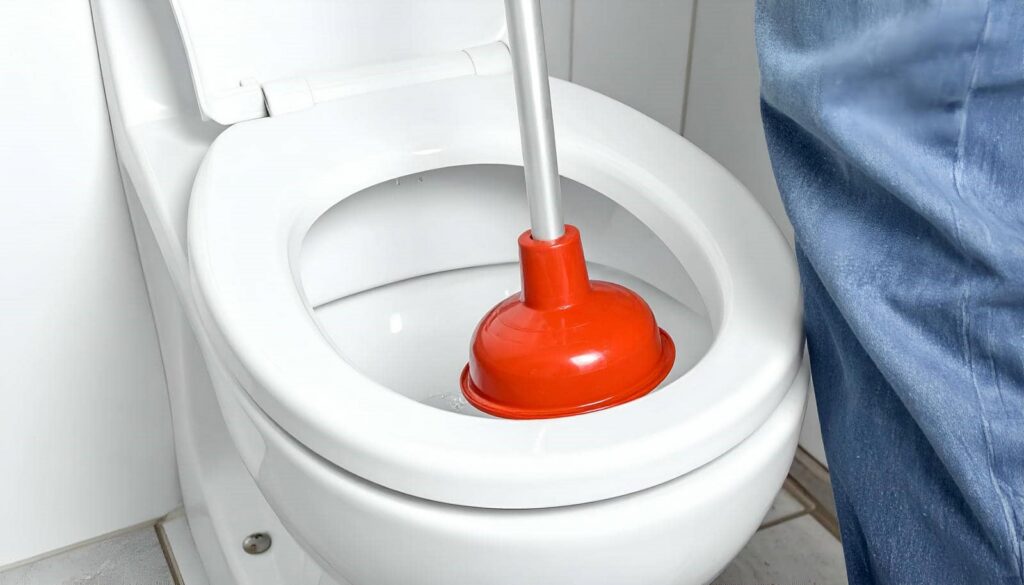
Did you know that a sewage backup can lead to serious health risks if not addressed promptly? When faced with this situation, it’s essential to act methodically to ensure your safety and minimize damage. By following a strategic cleanup process, you can manage the situation effectively without breaking the bank. Understanding the steps involved will empower you to tackle this issue head-on and potentially save you from costly repairs.
Key Takeaways
- Identify the sewage backup source and turn off the water supply to prevent further contamination and damage.
- Wear proper PPE, including gloves and masks, to ensure safety during cleanup efforts.
- Use a wet/dry vacuum to remove standing water and scrub surfaces with disinfectant for sanitation.
- Thoroughly dry the area to prevent mold growth and dispose of contaminated materials following local regulations.
- If issues persist or DIY methods fail, consider contacting professionals for a safe and thorough cleanup.
What to Do When You Experience a Sewage Backup
When you experience a sewage backup, immediate action is crucial. First, identify potential sewage backup causes, such as clogged pipes or tree roots infiltrating your system.
Turn off your water supply to prevent further contamination. Assess the area for health risks; sewage can contain harmful pathogens leading to serious illnesses. Make certain everyone stays clear of the contaminated zone to minimize exposure.
Next, document the damage with photos for insurance purposes. Contact a professional cleanup service to handle the hazardous materials safely. They’ll have the necessary equipment and expertise to mitigate health risks effectively.
Safety First: Essential Precautions for Sewage Cleanup
After addressing the immediate concerns of a sewage backup, prioritizing safety during the cleanup process is essential.
Start by wearing personal protective equipment (PPE), including gloves, masks, and waterproof boots, to shield yourself from contamination risks. Confirm the area is well-ventilated to minimize inhalation of harmful fumes. Avoid direct contact with sewage and any surfaces that may have been exposed.
If possible, turn off electricity in affected areas to prevent electrical hazards. Keep children and pets away from the cleanup zone to further reduce health risks.
Document the damage with photos, as this can assist with insurance claims. Following these precautions will help confirm a safer cleanup experience and foster a sense of community responsibility.
DIY Sewage Cleanup: A Step-by-Step Guide
Sewage cleanup can seem challenging, but with a structured approach, you can effectively tackle the task yourself.
First, assess the extent of sewage contamination. Identify affected areas and prioritize cleanup based on severity.
Use appropriate cleanup techniques: start by removing standing water with a wet/dry vacuum.
Next, scrub surfaces with a mixture of water and a disinfectant, ensuring you cover all contaminated areas.
After cleaning, thoroughly dry the space to prevent mold growth.
Dispose of contaminated materials in compliance with local regulations.
Finally, monitor the area for lingering odors or signs of contamination.
Affordable Tools for Sewage Cleanup
While tackling sewage cleanup, having the right tools at your disposal is essential for efficiency and safety. Start by gathering important cleanup supplies, including heavy-duty trash bags and absorbent materials.
Budget tools like a wet/dry vacuum can expedite water removal, while sanitation products, such as industrial-strength disinfectants, ensure thorough sanitation. Don’t overlook protective gear—gloves, masks, and boots are critical to safeguard against harmful pathogens.
You can often find these items at local hardware stores or online retailers at affordable prices. By investing in the right tools, you not only streamline the cleanup process but also create a safer environment for yourself and your family.
Your proactive approach will foster a sense of community and belonging as you tackle this challenging task.
Is It Time to Call the Pros for Sewage Problems?
When you notice persistent odors, slow drains, or visible sewage backups, it’s essential to assess the severity of the situation.
DIY methods often fall short in addressing underlying issues that could lead to further damage.
If you encounter these signs, it’s time to contemplate calling professionals to ensure a thorough and safe resolution.
Signs of Serious Issues
Ignoring early signs of sewage issues can lead to more severe problems down the line, so it’s essential to recognize the warning signals.
Watch for frequent clogged drains, as they often indicate underlying sewer maintenance needs. If you notice slow drainage or gurgling sounds, these could be early indicators of a more serious blockage.
Foul odors emanating from drains or yards are also red flags, signaling potential sewage leaks. Additionally, unexplained wet spots in your yard might suggest a sewer line issue.
If you experience any of these signs, don’t hesitate to call the pros. Timely intervention can prevent costly repairs and safeguard your home’s health.
When DIY Isn’t Enough
Sewage problems can escalate quickly, and knowing when to call in professionals is essential for effective resolution. If you’ve attempted DIY methods but still face persistent odors, slow drains, or recurring backups, it’s time to reflect on expert help.
Professionals possess specialized equipment and expertise to diagnose complex issues, ensuring thorough sewage backup prevention. Additionally, they can initiate emergency response measures to mitigate further damage to your property.
Delaying this decision can result in health hazards and costly repairs down the line. Trusting experienced technicians resolves the immediate problem and provides peace of mind, knowing your home is safe and secure.
Maintenance Tips to Prevent Sewage Backup
To effectively prevent sewage backup, regular maintenance plays an essential role in safeguarding your plumbing system.
Start with routine pipe inspections to identify potential blockages or corrosion. Utilize a professional service for thorough assessments, ensuring your pipes are in peak condition.
Additionally, focus on drain maintenance: clean your drains regularly to prevent buildup from hair, grease, and debris. Use enzyme-based cleaners to break down organic matter naturally.
Be cautious about what you flush; avoid disposing of non-biodegradable items.
Implementing these proactive measures extends the lifespan of your plumbing and fosters a sense of community responsibility.
Frequently Asked Questions
How Can I Identify Signs of a Potential Sewage Backup?
You can identify signs of a potential sewage backup by noticing sewage odors, observing drain clogs, and experiencing slow drainage. These indicators often signal underlying issues that require prompt attention to prevent further complications.
What Health Risks Are Associated With Sewage Backup Exposure?
Sewage pathogens can expose you to serious health risks, including gastrointestinal symptoms and infections. Without proper cleanup precautions, long-term effects may arise, impacting your health and well-being. Stay vigilant to safeguard yourself and your loved ones.
Can I Use Regular Household Cleaners for Sewage Cleanup?
You shouldn’t use regular household cleaners for sewage cleanup; they often lack effectiveness. In fact, many contaminants remain without proper sewage removal techniques. Prioritize household safety precautions to fully eliminate health risks.
How Long Does It Take for Sewage Cleanup to Complete?
Sewage cleanup duration typically ranges from a few hours to several days, depending on the extent of the contamination and the efficiency of sewage removal. Prompt action greatly reduces health risks and accelerates the process.
What Insurance Coverage Is Available for Sewage Backup Damage?
When disaster strikes, knowing your sewage coverage options can be a lifeline. Most homeowners’ policies exclude sewage backup damage, so it’s essential to review your policy for specific exclusions and additional coverage options available.
Summary
Tackling a sewage backup can feel like maneuvering through a stormy sea, but with the right approach, you can steer your way to safety and cleanliness. By following the outlined steps and using affordable tools, you can effectively manage the situation without breaking the bank. Remember, if the waters rise too high, don’t hesitate to call in professionals. Prevention is key, so stay vigilant to keep your home free from future backups.