When it comes to evaluating water damage in your home, early detection is essential. You need to be vigilant about signs like stains or peeling paint, but it’s not always that straightforward. Hidden leaks can lurk behind appliances or in crawl spaces, often unnoticed. Knowing how to identify these water damage assessment issues can save you time and money. Let’s explore effective techniques that can help you pinpoint water damage before it escalates.
Key Takeaways
- Regularly inspect plumbing fixtures and behind appliances to identify potential leaks before they cause significant damage.
- Utilize moisture mapping tools and meters to detect hidden damp spots effectively.
- Look for visual signs like water stains, peeling paint, or warped flooring during home inspections.
- Conduct assessments in basements and crawl spaces, as these areas often harbor moisture issues.
- Document all findings with photos and detailed notes for insurance purposes and future reference.
How to Spot Water Damage Early
Detecting water damage early can save you significant time and money, so it’s crucial to know the warning signs.
Look for early signs like water stains on ceilings and walls, peeling paint, or warped flooring. These visual cues often indicate moisture intrusion.
Don’t ignore musty odors; they can signal hidden dampness. Regularly inspect areas prone to leaks, such as under sinks and around appliances.
Implement preventive measures, such as ensuring proper drainage around your home and maintaining gutters.
Address any plumbing issues immediately to reduce risk.
Identifying Hidden Water Sources
Even after spotting early signs of water damage, hidden sources can still pose a threat to your home. To identify these elusive leaks, employ advanced leak detection techniques.
Start by inspecting areas prone to moisture, like plumbing fixtures and behind appliances. Utilize moisture mapping tools to pinpoint damp spots that may not be visible. These tools can help track humidity levels and reveal underlying issues.
Pay attention to water stains on walls and ceilings; they might indicate hidden leaks. Don’t overlook your basement or crawl spaces, as these areas often harbor moisture problems.
If you’re unsure, consider consulting a professional for thorough assessments, ensuring your home remains safe and dry. Identifying hidden water sources is vital for long-term protection.
What Happens to Structures With Hidden Water Damage?
Hidden water damage can severely compromise a structure’s integrity, leading to costly repairs.
It also creates an ideal environment for mold growth, which poses health risks.
Additionally, moisture can increase electrical hazards, making the situation even more dangerous.
Structural Integrity Compromise
When water seeps into a structure without detection, it can lead to severe compromises in structural integrity.
Hidden moisture can weaken load-bearing elements, including beams and walls, causing them to warp, crack, or even collapse.
To address these risks, homeowners should prioritize a thorough structural assessment. This involves inspecting areas like basements, attics, and behind walls where water damage is less visible.
An integrity evaluation helps identify early signs of deterioration, allowing for timely repairs and safeguarding your home’s overall stability.
Prompt action protects your investment and promotes a safe living environment for you and your family.
Don’t underestimate the importance of addressing hidden water damage; it’s essential for maintaining your home’s structural health.
Mold Growth Risks
As moisture accumulates in concealed areas of a structure, it creates an ideal environment for mold growth, which can pose significant health risks and further damage the property.
You mightn’t see it, but mold can thrive in hidden spots, compromising your indoor air quality. This makes mold prevention strategies essential.
Regularly inspect and maintain plumbing, roofs, and basements to catch leaks early. Ensure proper ventilation in areas prone to moisture, such as bathrooms and kitchens, to minimize dampness.
By implementing these strategies, you protect your home and safeguard your family’s health.
Electrical Hazards Increase
Mold isn’t the only concern when moisture infiltrates concealed areas of a structure; electrical hazards also become a significant risk.
When water seeps into walls or ceilings, it can compromise wiring and electrical systems, creating potential shock or fire hazards. This hidden moisture can lead to corrosion and short circuits, making regular risk assessment essential for your home’s safety.
To prioritize electrical safety, keep an eye out for signs of water damage, such as discoloration or a musty smell.
If you suspect hidden moisture, consult a professional to inspect and remediate any issues.
How Moisture Meters Help You Assess Water Damage
Moisture meters are essential tools for accurately evaluating water damage in various materials.
You can choose from different types, each offering unique benefits for moisture detection, ensuring you get precise readings.
Using these meters correctly enhances your evaluation accuracy, helping you identify problem areas effectively.
Types Of Moisture Meters
Accurate water damage assessment hinges on the effective use of moisture meters, which measure the presence of moisture in various materials.
You can choose from several types: digital moisture meters offer precise readings and advanced moisture detection technology, while pinless moisture meters provide non-invasive assessments.
Analog moisture meters, although less common, still serve well for basic evaluations.
To get reliable comparative moisture readings, make sure you follow proper calibration techniques.
Familiarize yourself with moisture meter features and applications to optimize your results.
Interpretation of readings is vital; understand how different materials respond to moisture.
Finally, keep your equipment in top shape with proper meter maintenance, ensuring accurate assessments every time you need them.
Benefits Of Moisture Detection
Effective moisture detection is essential for identifying water damage early and preventing further issues. Using advanced detection technology, you can accurately evaluate moisture retention in various materials, from wood to drywall.
This precision helps you pinpoint problem areas before they escalate, saving you time and money. By measuring moisture levels, you can determine whether water has penetrated deeply or if it’s just surface-level, guiding your repair decisions.
Additionally, understanding moisture retention patterns aids in evaluating potential mold growth risks, ensuring a healthier living environment. Investing in moisture meters empowers you to take control of your home’s maintenance, fostering a sense of belonging and security in your living space.
Don’t overlook the importance of early detection in protecting your home.
Usage Tips For Accuracy
Understanding how to use moisture meters properly enhances your ability to assess water damage accurately. To improve accuracy, consider usage frequency; regular checks ensure consistent results.
Be aware of technique variations—different materials respond differently, so adjust your approach accordingly. Seasonal considerations can affect moisture levels, so always account for environmental factors.
Prioritize equipment maintenance and recognize the importance of calibration; a well-calibrated meter yields reliable data. Familiarize yourself with data interpretation to make informed decisions.
Take advantage of training resources to enhance your user experience, assuring you’re confident in using the device. By applying these tips, you’ll markedly improve your water damage assessment skills, contributing to a safer living environment for you and your loved ones.
Using Infrared Cameras to Detect Water Damage
Infrared cameras are revolutionizing the way you assess water damage, offering a non-invasive method to identify hidden leaks and moisture intrusion.
By utilizing infrared technology and thermal imaging, you can detect issues that aren’t visible to the naked eye.
Here are some benefits of using infrared cameras for water damage assessment:
- Identifies hidden moisture behind walls and ceilings.
- Pinpoints leaks in plumbing systems without invasive measures.
- Monitors temperature variations, indicating potential water issues.
- Saves time and money by preventing extensive damage.
- Enhances documentation for insurance claims and repairs.
With these tools, you’ll feel empowered to tackle water damage effectively and confidently, ensuring your home remains safe and secure.
Why You Should Check for Mold After Water Damage
After experiencing water damage, it’s vital to check for mold, as it can develop quickly in damp environments.
Mold not only poses health risks but can also compromise your home’s structural integrity. Ignoring mold symptoms like persistent coughing, sneezing, or unexplained fatigue can lead to serious health issues for you and your family.
Implementing mold prevention strategies, such as ensuring proper ventilation and drying affected areas within 24 to 48 hours, is important.
Regularly inspect hidden spots like behind walls and under carpets, as these are common breeding grounds.
By taking proactive measures, you create a safer living environment and protect your home from further damage.
Don’t underestimate the significance of prompt mold checks after water incidents.
Evaluating the Impact of Water Damage on Your Belongings
While evaluating water damage, you must assess how it affects your belongings to determine the necessary steps for restoration.
A thorough belonging assessment is essential, as it reveals material damage and the emotional impact on you and your family.
Here are key factors to evaluate during your assessment:
Type of Material: Identify what your belongings are made of (wood, fabric, electronics).
Extent of Damage: Check for visible signs like warping, staining, or corrosion.
Duration of Exposure: Reflect on how long items were in contact with water.
Sentimental Value: Gauge the emotional significance of each item.
Restoration Feasibility: Determine if items can be cleaned or repaired.
Addressing these factors will guide your restoration efforts effectively.
Documenting Water Damage for Insurance Claims
Once you’ve assessed the impact of water damage on your belongings, the next step involves documenting everything for your insurance claims.
Start by taking clear, high-resolution photos of all affected items, making sure you capture serial numbers and any visible damage. Create a detailed inventory list, noting the condition and value of each item.
This insurance documentation is essential for the claim process, as it provides proof of your losses. Don’t forget to include any receipts for repairs or replacements.
Additionally, record the date and time of the damage, along with any conversations with your insurance adjuster.
This thorough documentation will streamline your claim process and help ensure you receive the compensation you deserve.
When to Call in Professional Water Damage Experts
Determining when to call in professional water damage experts can greatly impact the recovery process. If you notice any of the following water damage signs, it’s time to seek a professional assessment:
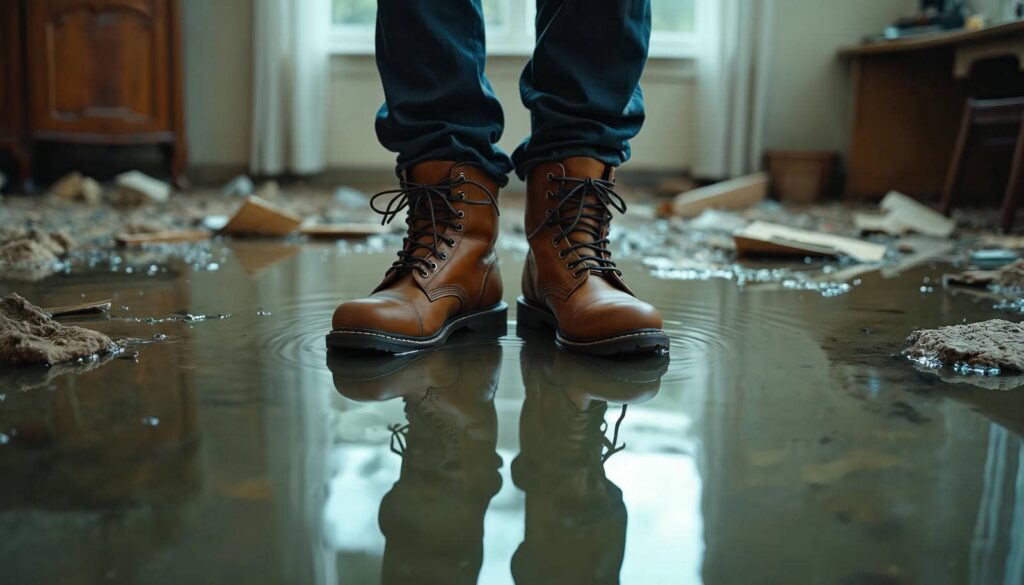
- Extensive water pooling or flooding
- Persistent musty odors
- Warping or buckling floors and walls
- Mold growth or visible stains
- Electrical issues related to moisture
Ignoring these signs can lead to more severe damage and health risks.
A professional can accurately assess the extent of the damage, locate hidden moisture, and implement effective restoration solutions.
By addressing water damage promptly, you protect your home and ensure a healthier environment for you and your family.
Don’t hesitate—reaching out for help can save you time and money in the long run.
Frequently Asked Questions
How Can I Prevent Future Water Damage in My Home?
To prevent future water damage, regularly maintain your drainage systems and install moisture barriers. Make certain gutters are clear and inspect for leaks. These steps create a protective environment, safeguarding your home from potential water issues.
What Should I Do Immediately After Discovering Water Damage?
Immediately shut off water sources, remove excess water, and dry affected areas. Contact emergency services if needed, and inform your insurance provider. Act quickly to prevent mold growth and ensure you’re connected with reliable emergency contacts.
Are There Specific Weather Conditions That Increase Water Damage Risk?
Yes, heavy rainfall, flooding events, snowmelt impacts, and high humidity greatly increase water damage risk. These conditions can overwhelm drainage systems, saturate soil, and lead to leaks, putting your home at serious risk.
How Can I Tell if My Insurance Covers Water Damage?
To determine if your insurance covers water damage, review your policy for coverage limits and policy exclusions. Contact your insurer for clarification on specific scenarios, ensuring you fully understand your coverage options and potential gaps.
What Are the Long-Term Effects of Untreated Water Damage?
Untreated water damage can lead to mold growth and compromise your home’s structural integrity, much like a hidden rot in an ancient shipwreck. Addressing these issues promptly protects your investment and ensures a safe living environment.
Review
Routinely evaluating for water damage can save you from costly repairs down the line. By using techniques like moisture meters and infrared cameras, you can uncover hidden issues before they escalate. Don’t forget to document your findings for insurance purposes—can you afford to overlook potential damage? Remember, if you’re ever in doubt, reaching out to a professional can provide peace of mind and ensure your home stays safe and sound.