Understanding the top flood water extraction methods can greatly impact recovery efforts and property preservation. From submersible pumps to moisture meters, each technique serves a specific purpose in mitigating damage. As you explore these methods, you’ll discover critical strategies that not only enhance efficiency but also protect your property from long-term issues.
Key Takeaways
- Submersible pumps and wet/dry vacuums are essential tools for efficiently removing large and small volumes of floodwater.
- Timely extraction minimizes damage, reduces costs, and prevents mold growth, emphasizing the importance of a swift response.
- Assess water type—clean, gray, or black—before extraction to determine appropriate handling and safety measures.
- Professional services offer expertise and advanced equipment, ensuring thorough extraction and long-term damage prevention.
- Effective moisture control and air circulation practices, including dehumidifiers, are crucial for preventing mold and ensuring air quality post-extraction.
What You Need to Know About Flood Water Extraction
When faced with flood water, understanding extraction methods is essential for effective damage control. Start by evaluating the situation and prioritizing safety.
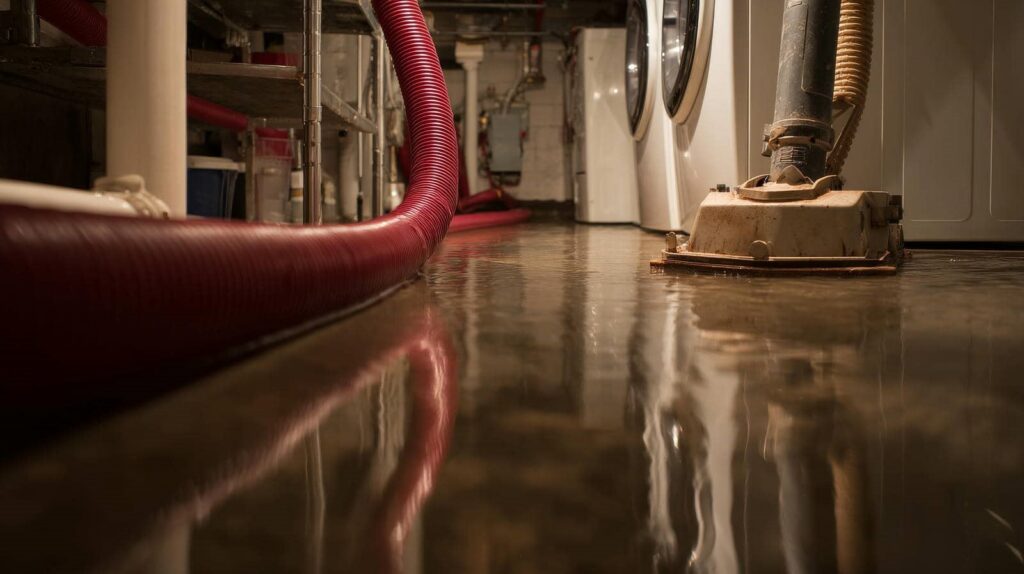
Use a submersible pump for large volumes of water, ensuring it’s appropriately rated for your needs. If you’re dealing with smaller areas, a wet/dry vacuum can be invaluable. Always wear protective gear, like gloves and boots, to safeguard against contaminants.
Implementing flood recovery tips, such as removing furniture and belongings promptly, can minimize damage.
Additionally, keep a well-stocked emergency preparedness kit, including first aid supplies and essential tools, ready for immediate action. This proactive approach helps in effective extraction and fosters a sense of community and belonging as you navigate the recovery process together.
Why Timeliness Is Crucial for Water Extraction
Timeliness in water extraction greatly impacts the extent of damage and the recovery process. A timely response can greatly limit the spread of moisture, preventing secondary issues like mold growth and structural damage.
When you act swiftly, you reduce the workload for restoration professionals, allowing for immediate action that can save valuable belongings and minimize repair costs. Each hour counts; water can permeate porous materials, exacerbating damage and complicating the restoration effort.
Assessing the Severity of Water Damage
When evaluating the severity of water damage, you need to identify the type of water involved, as it greatly impacts the remediation process.
Next, inspect all affected areas, including hidden spaces like walls and under flooring, to determine the extent of the damage.
Understanding these factors will guide your response and ensure effective recovery.
Types Of Water Damage
Understanding the types of water damage is vital for effectively evaluating its severity and implementing the right extraction methods. Water damage classification typically falls into three categories: clean, gray, and black water.
Clean water originates from sources like broken pipes, while gray water contains contaminants, often from appliances. Black water, the most hazardous, comes from sewage or floodwaters, requiring immediate attention.
To manage these risks, flood source identification is important. Identifying the source helps determine the appropriate response and extraction techniques.
Different types of water damage require tailored treatments to prevent further degradation of materials and structures. By understanding these classifications, you can ensure a thorough approach to water damage restoration, fostering a safer environment for everyone involved.
Identifying Affected Areas
Effective evaluation of water damage starts with identifying affected areas within the premises.
Begin by utilizing flood zone mapping to determine which parts may be at risk. This will help you focus your inspection efforts.
Next, employ moisture detection tools to pinpoint hidden water accumulation behind walls or under flooring. Pay attention to areas like basements, crawl spaces, and around windows, as they often harbor significant moisture.
Document any visible damage, such as discoloration or warping, as these signs indicate severity.
By systematically evaluating affected areas, you ensure a thorough understanding of the extent of water damage, allowing for targeted extraction methods and effective remediation strategies.
This approach fosters a sense of community and support among those facing similar challenges.
Essential Equipment for Effective Water Extraction
To ensure efficient flood water extraction, utilizing the right equipment is essential.
Start with proper pumps selection; submersible and centrifugal pumps are key for swift water removal. Submersible pumps are ideal for deep water, while centrifugal pumps excel in larger volumes.
Next, consider extraction techniques; portable extractors are invaluable for extracting water from carpets and hard-to-reach areas. Additionally, moisture meters help you measure residual dampness to ensure thorough drying.
Don’t overlook safety gear, like waterproof boots and gloves, to protect yourself while working.
By equipping yourself with these tools and techniques, you’ll enhance your effectiveness in flood recovery, ensuring a safer and quicker resolution to water damage challenges.
Embrace this essential equipment to foster a sense of belonging in your community’s restoration efforts.
Types of Water and Their Impact on Extraction
Flood water extraction isn’t just about the tools you use; the type of water involved greatly influences your approach. Water classification plays an essential role in determining your extraction techniques.
There are three main categories: clean, gray, and black water. Clean water, typically from a broken pipe, requires basic methods for extraction.
Gray water, which contains mild contaminants from sources like sinks, demands more thorough sanitization after extraction.
Black water, often from sewage, poses significant health risks and necessitates specialized equipment and procedures to ensure safety.
Understanding these classifications helps you choose the right extraction techniques, ensuring effective and safe removal while protecting your health and property.
Prioritizing the type of water will lead to better outcomes in your extraction efforts.
Step-by-Step Guide: Using a Wet/Dry Vacuum
A wet/dry vacuum is an essential tool for efficiently extracting water during a flood recovery process.
First, make sure you wear appropriate safety gear, including gloves and boots, to protect against contaminants.
Next, check the vacuum’s settings—switch it to the wet mode.
Begin in the area with the deepest water, using effective wet vacuum techniques to maximize water removal. Move systematically, working from one corner to another.
Empty the vacuum’s tank regularly to maintain suction power.
After extraction, clean the vacuum thoroughly to prevent mold and bacteria growth.
Finally, monitor the area for residual moisture, as lingering dampness can lead to future issues.
Following these steps and safety precautions ensures effective and safe water removal.
Why You Should Consider Professional Water Extraction Services
While you might feel tempted to tackle water extraction on your own, enlisting professional services can greatly enhance the efficiency and effectiveness of the recovery process.
Here are some compelling reasons to contemplate:
Expertise: Professionals use advanced techniques and equipment, ensuring thorough extraction.
Service Reliability: You can trust trained technicians to handle the situation safely and effectively.
Cost Benefits: Investing in professional services can prevent long-term damage, saving you money in repairs.
Time Efficiency: Experts can complete the job faster, allowing you to return to normalcy sooner.
How to Safely Pump Out Flood Water
When dealing with standing water after a flood, it’s crucial to approach the pumping process methodically to ensure safety and effectiveness.
Start by verifying you wear proper safety gear, including gloves and boots, to protect yourself from contaminants.
Before you begin, select a pump that suits the volume of water and type of debris you’re facing; submersible pumps are often ideal for this situation.
Always check for electrical hazards in the vicinity, and consider using a generator to power your pump safely.
As you pump, monitor the water level closely, avoiding rapid changes to prevent structural damage.
Best Practices for Preventing Mold After Water Removal
After removing flood water, it’s vital to limit moisture exposure to prevent mold growth.
Enhance air circulation throughout the affected area and use dehumidifiers effectively to maintain ideal humidity levels.
Limit Moisture Exposure
Mold thrives in damp environments, making it crucial to limit moisture exposure after water removal. To effectively prevent mold growth, you should implement several best practices:
Use moisture barriers: Install barriers in susceptible areas to prevent water infiltration.
Employ effective drying techniques: Utilize dehumidifiers and fans to ensure surfaces dry quickly.
Inspect and repair leaks: Regularly check plumbing and roofing for leaks that can introduce moisture.
Maintain indoor humidity levels: Aim to keep humidity below 60% to create an unfavorable environment for mold.
Enhance Air Circulation
Effective air circulation is essential in preventing mold growth following water removal. To enhance airflow, employ various airflow techniques like strategically placing fans to create cross-ventilation.
Position circulation devices, such as high-velocity fans, in corners to maximize air movement throughout the affected area. Make sure windows and doors are opened where possible to facilitate natural airflow, but be cautious of outdoor humidity.
Additionally, use exhaust fans in confined spaces like bathrooms or closets to draw out stale air.
Regularly monitor air quality and moisture levels to stay ahead of potential mold issues. By implementing these practices, you’ll improve air circulation and foster a healthier environment for everyone involved.
Use Dehumidifiers Effectively
To prevent mold growth in the aftermath of water removal, using dehumidifiers effectively is crucial. Proper dehumidifier placement and moisture control can greatly reduce humidity levels, creating an inhospitable environment for mold.
Here are best practices to maximize their effectiveness:
Position dehumidifiers centrally to cover the most area and ensure ideal airflow.
Empty water tanks regularly to maintain efficiency and prevent overflow.
Run dehumidifiers continuously during the drying process for consistent moisture control.
Monitor humidity levels with a hygrometer to adjust settings as needed.
When Should You Call in Experts?
When is it essential to call in experts for flood water extraction? If you’re facing significant water damage, it’s vital to seek professional help immediately.
Experts excel in emergency response, quickly evaluating the extent of damage and providing tailored solutions. If you notice structural issues or mold growth, delaying assistance can worsen the situation.
Additionally, if the water contains contaminants or poses health risks, professionals have the training and equipment to handle such hazards safely. They conduct thorough damage evaluations using advanced technology, ensuring no hidden issues remain.
Frequently Asked Questions
How Can I Prevent Flood Damage Before It Occurs?
To prevent flood damage, focus on flood preparedness by evaluating your property’s vulnerabilities. Implement effective drainage solutions, like gutters and swales, ensuring water flows away from your home, reducing the risk of flooding considerably.
What Insurance Covers Flood Water Extraction Costs?
Flood insurance typically covers water extraction costs, but you should check your policy’s coverage details. Verify you understand exclusions and limits to avoid unexpected expenses when dealing with flood-related damage.
Are There DIY Methods for Minor Flood Issues?
Yes, there are DIY extraction methods for minor flood issues. You can use a wet/dry vacuum for water removal and dehumidifiers for moisture control. Afterward, tackle minor repairs using sealants and appropriate materials to prevent further damage.
How Long Does the Extraction Process Typically Take?
The extraction duration varies, typically lasting hours to days. Equipment efficiency plays a vital role; using powerful pumps and dehumidifiers accelerates the process, ensuring you reclaim your space swiftly and restore comfort to your environment.
What Are the Health Risks Associated With Flood Water?
Flood water poses serious health risks due to contaminated water, increasing the need for illness prevention. Prioritize safety precautions, ensure flood sanitation, minimize exposure risks, and implement vector control to protect yourself and your community effectively.
Recap
In the battle against flood water, swift action is your secret weapon. By employing the right extraction methods and equipment, you can dramatically reduce damage and thwart mold’s relentless advance. Remember, every second counts; don’t let water transform your home into a damp fortress. When in doubt, calling in professionals isn’t just wise—it’s essential. With their expertise, you’re not just salvaging your property; you’re reclaiming peace of mind amidst chaos. Act decisively; your home deserves it!