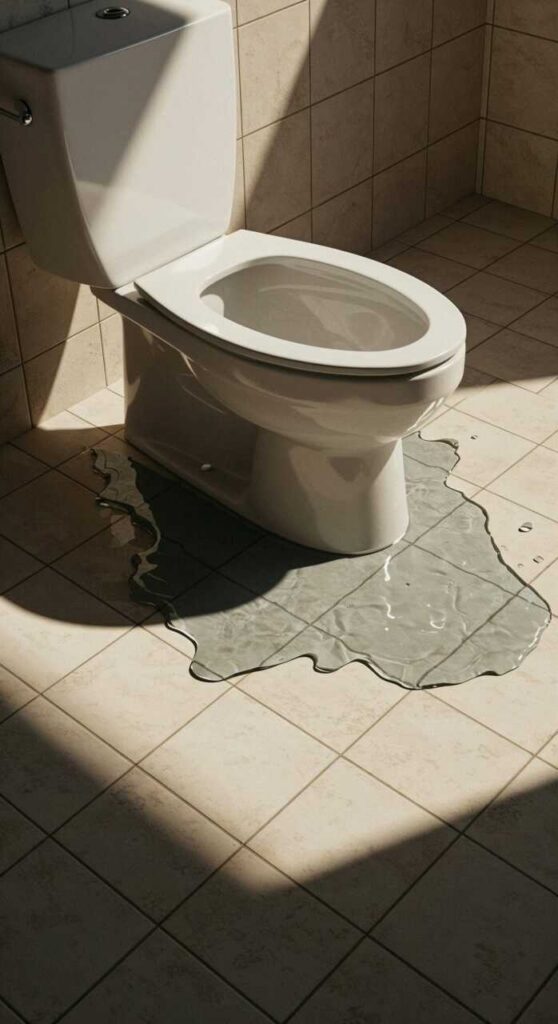
Sewage backups can lead to costly damage and health hazards in your home. To avoid these issues, it’s essential to understand effective prevention strategies. Regular plumbing inspections, proper flushing habits, and routine drain maintenance are just a few steps you can take. Additionally, installing protective measures like backwater valves can provide extra security. Exploring these methods will help safeguard your home, but are you aware of the specific signs that indicate a looming problem?
Key Takeaways
- Schedule regular plumbing inspections to catch minor issues early and prevent costly sewage backups.
- Install a backwater valve to protect your home from unexpected sewage inflows.
- Maintain a regular drain cleaning schedule to eliminate build-up and prevent clogs.
- Educate household members on proper flushing etiquette to avoid blockages from non-flushable items.
- Shape your landscape with proper grading to ensure efficient drainage away from the foundation.
The Importance of Regular Plumbing Inspections
Regular plumbing inspections are vital for maintaining a healthy plumbing system and preventing costly sewage backups. By scheduling routine checks, you ensure all components function efficiently, catching minor issues before they escalate.
This preventive maintenance extends the lifespan of your pipes and fixtures and safeguards your home from potential water damage. You’ll discover leaks, blockages, or corrosion early, minimizing repair costs and enhancing overall plumbing health.
Inspections also provide peace of mind, knowing that your system is in peak condition. As part of responsible homeownership, committing to these inspections fosters a sense of community and belonging, showing you care for your home and family’s well-being.
Prioritize these assessments to protect your investment and maintain a safe environment.
Avoid Flushing Items That Cause Sewage Backups
To prevent sewage backups, it’s essential to understand what you can and can’t flush.
Common flushing mistakes, like disposing of wipes or food, can lead to serious plumbing issues.
Educating yourself on proper disposal methods will help you maintain a healthy sewer system.
Common Flushing Mistakes
Flushing the wrong items down the toilet can lead to costly sewage backups, and many people unknowingly contribute to this problem.
Common misconceptions about toilet etiquette often result in serious plumbing issues. It’s essential to remember that toilets are designed for human waste and toilet paper only.
Flushing items like wipes, cotton balls, or feminine products creates blockages that disrupt your plumbing system. These materials don’t break down and can cause significant damage.
Educating yourself and your household about proper flushing practices fosters a sense of community responsibility.
By avoiding these common flushing mistakes, you protect your home and contribute to a healthier shared environment.
Let’s keep our plumbing systems working smoothly together.
Proper Disposal Methods
Proper disposal methods are essential for preventing sewage backups and maintaining a functional plumbing system.
Always remember that your toilet is designed for human waste and toilet paper only. Flushing items like wipes, feminine hygiene products, or paper towels can lead to significant clogs.
If you’re looking for toilet paper alternatives, consider using biodegradable products that break down easily and are less likely to cause issues. Additionally, composting options can help manage waste without risking your plumbing.
Keep a waste bin handy for non-flushable items, ensuring everyone in your household knows what belongs there.
Education on Waste Items
Understanding what can and can’t be flushed is essential for preventing sewage backups.
Many items, such as wipes, feminine hygiene products, and dental floss, can create significant blockages in your plumbing.
Educating yourself on waste management is vital; these items don’t break down like toilet paper.
Instead, they accumulate, leading to costly repairs.
Keep Drains Clear of Debris and Grease
To prevent sewage backups, you need to keep your drains clear of debris and grease.
Establishing a regular drain cleaning schedule and using drain screens effectively can greatly reduce clogs.
Regular Drain Cleaning Schedule
A regular drain cleaning schedule is essential for keeping your plumbing system in top shape and preventing sewage backups.
By prioritizing drain maintenance, you ensure that your pipes remain clear and functional. Here’s a recommended cleaning frequency to follow:
Monthly: Use a natural cleaner to eliminate minor build-up.
Quarterly: Conduct a thorough inspection of your drains.
Biannually: Schedule professional cleaning to tackle tough clogs and grease accumulation.
Annually: Evaluate your entire plumbing system for potential issues.
Sticking to this schedule minimizes the risk of backups and extends the life of your plumbing.
Use Drain Screens Effectively
After establishing a regular drain cleaning schedule, consider incorporating drain screens as a proactive measure against debris and grease buildup.
Drain screen types vary, including mesh, solid, and perforated options, each designed to catch specific debris without obstructing flow. When selecting a screen, verify it fits snugly over your drains.
Installation tips include cleaning the area thoroughly before placing the screen and regularly checking for clogs. By using drain screens effectively, you’ll minimize the risk of backups, protecting your home from costly repairs.
Make it a habit to inspect your screens monthly and replace them as needed. This simple addition can play a significant role in maintaining a clean and efficient drainage system.
Consider Installing a Backwater Valve for Added Safety
While no one wants to deal with the mess and health risks associated with sewage backups, installing a backwater valve can considerably reduce that likelihood. This device acts as a one-way gate, preventing sewage from flowing back into your home.
Here are some installation benefits:
Protection: It safeguards your home from unexpected sewage inflows.
Cost-Effective: It can save you money on repairs and cleanup efforts.
Peace of Mind: You’ll feel secure knowing you’ve taken proactive measures.
Increased Home Value: A backwater valve can enhance your property’s overall appeal.
Schedule Professional Sewer Line Cleaning
Scheduling regular professional sewer line cleaning is essential for maintaining a healthy plumbing system.
It helps prevent clogs and backups, ensuring smooth wastewater flow.
When selecting a service, consider their experience and the methods they use for effective cleaning.
Benefits Of Regular Cleaning
Regular sewer line cleaning is essential for maintaining the health of your plumbing system.
By adhering to a preventative maintenance plan with scheduled cleanings, you can avoid costly repairs and backups.
Here are four key benefits of regular cleaning:
Prevents Blockages: Routine cleaning removes built-up debris, ensuring smooth flow.
Extends Lifespan: Regular maintenance helps prolong the life of your sewer lines, saving you money in the long run.
Improves Odor Control: Eliminating waste buildup reduces foul odors in your home.
Enhances System Efficiency: Clean lines function better, optimizing water flow and reducing strain on your plumbing.
Incorporate these cleaning schedules into your home maintenance routine to keep your plumbing system in top shape.
Choosing The Right Service
When it comes to maintaining your plumbing system, selecting the right service for professional sewer line cleaning is vital. Start by researching the service reputation of local companies. Look for reviews and testimonials that highlight their reliability and effectiveness. A well-regarded service often indicates quality work, giving you peace of mind.
Next, perform a cost comparison among different providers. While the cheapest option might be tempting, it’s important to balance cost with quality. Some companies may offer extensive packages that provide better long-term value.
Also, check if they use modern equipment and techniques, as this can greatly impact the cleaning results.
Ultimately, choosing a reputable service ensures your sewer lines stay clear, minimizing the risk of backups.
Assessing Tree Roots’ Impact on Sewer Lines
Tree roots can dramatically impact sewer lines, often leading to costly backups and repairs.
To assess their effect, consider the following:
Tree Distance: Maintain a safe distance between trees and sewer lines to minimize root growth.
Seasonal Inspection: Regularly inspect your plumbing for signs of sewer damage, particularly after heavy rain when soil moisture is high.
Root Barriers: Install barriers to prevent roots from invading sewer lines, protecting pipe integrity.
Plumbing Maintenance: Schedule routine maintenance to catch issues early, ensuring your sewer system remains functional.
Ensure Proper Grading Around Your Home
Proper grading around your home is essential for directing water away from your foundation and preventing sewage backups. This involves shaping the landscape design so that the ground slopes away, allowing rainwater and runoff to drain efficiently.
Ideally, your yard should slope at a gradient of at least 2% away from the foundation—this means a drop of about 1 inch for every 4 feet of distance. Additionally, consider installing foundation drainage systems to further mitigate water accumulation.
Regularly check for low spots or areas where water tends to pool, as these can compromise your home’s drainage. By ensuring proper grading, you create a protective barrier against sewage issues, fostering a safe environment for you and your family.
Use Drain Screens to Catch Solids
Using drain screens can greatly reduce the risk of sewage backups by catching solids before they enter your plumbing system.
Implementing effective drain maintenance practices is essential for ensuring a smooth-flowing system. Here’s how drain screens can help:
Catch Solid Waste: Prevent hair, food particles, and debris from clogging your pipes.
Ease Cleaning: Cleanings become simpler since you can easily remove and rinse the screens.
Extend Lifespan: Protect your plumbing from damage caused by buildup, extending its lifespan.
Reduce Costs: Lower repair costs by minimizing the risk of serious blockages.
Recognize Signs of Potential Sewage Backups
Recognizing the signs of potential sewage backups is essential for maintaining a healthy plumbing system.
Pay attention to early warning signs like unusual odors or a persistent sewage smell in your home. If you notice slow drains or frequent clogs, it’s time to investigate further.
Gurgling sounds from your pipes can indicate air trapped in the system, hinting at a backup. Water pooling around fixtures or in your yard is another red flag.
Don’t ignore backed up toilets or plumbing noises that seem out of the ordinary. Additionally, look for sewage stains on walls or floors, as these can signal serious issues.
Formulate an Emergency Response Plan for Backups
While you can’t always predict when a sewage backup might occur, having an emergency response plan can greatly mitigate damage and stress.
Here’s how to prepare:
Compile Emergency Contacts: List plumbers, local health departments, and emergency services. Keep this list handy.
Gather Backup Supplies: Stock up on essential items like gloves, masks, buckets, and disinfectants to handle the situation safely.
Establish a Communication Plan: Make sure all household members know who to contact and where to meet if evacuation is necessary.
Document Important Information: Keep records of insurance details and important home systems, making it easier to manage the aftermath.
Frequently Asked Questions
How Often Should I Schedule Plumbing Inspections?
You should schedule plumbing inspections at least once a year for ideal maintenance. Increased inspection frequency may be necessary if you notice issues. Regular checks help prevent major problems and ensure your system operates smoothly.
What Should I Do if a Backup Occurs?
If you notice backup signs, act quickly. Shut off water sources, avoid flushing toilets, and contact a plumber for emergency measures. Keeping calm and addressing issues promptly helps minimize damage and ensures your home’s safety.
Are There Specific Trees That Are Safer for Sewer Lines?
Yes, certain tree varieties, like ornamental trees, have less aggressive root systems. Avoid planting large trees near sewer lines, as their roots can invade and damage pipes, leading to potential backups and costly repairs.
How Can I Tell if My Sewer Line Is Clogged?
You can tell if your sewer line’s clogged by noticing slow drains, gurgling sounds, or foul odors. Monitoring these clog symptoms helps you act early, using prevention tips to avoid more serious issues down the line.
What Are the Costs Associated With Installing a Backwater Valve?
Installing a backwater valve typically costs between $1,000 and $2,500, depending on the installation process. The benefits include preventing sewage backups, protecting your home, and ensuring peace of mind for you and your family.
Recap
By taking proactive steps to prevent sewage backups, you protect your home and safeguard your family’s health and comfort. Imagine the chaos and distress a sudden backup can cause—foul odors, costly repairs, and disrupted lives. Don’t wait for disaster to strike; implement these preventive measures now. Your efforts today can save you heartache tomorrow, ensuring a safe and sanitary environment for you and your loved ones. Stay vigilant, and your home will thank you.