
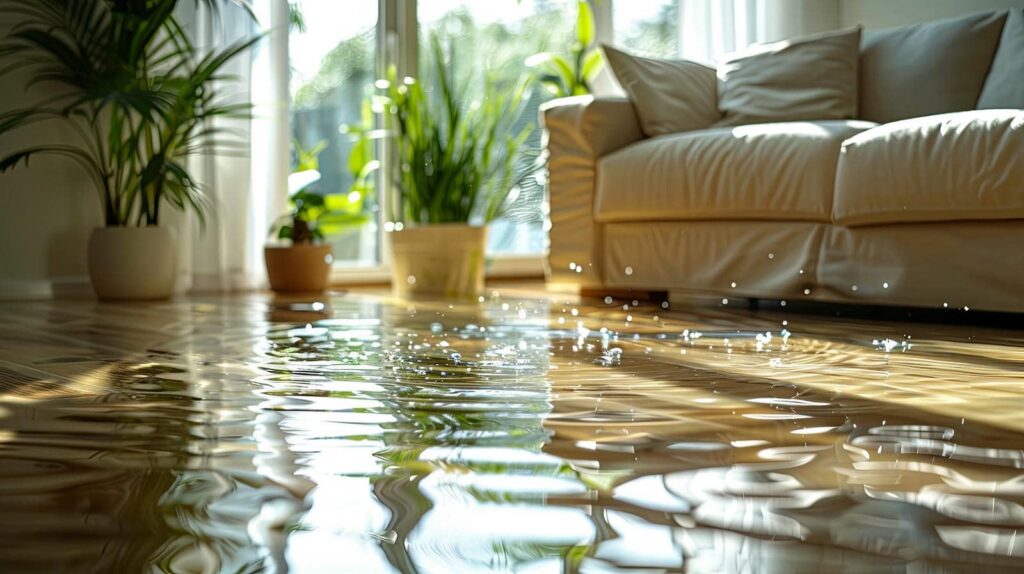
After a flood, quick action is vital, thorough assessment is essential, and safety must be your priority. You need to understand the extent of the damage and how to tackle it effectively. Knowing the right flood cleanup steps to take can greatly reduce the risk of mold and further complications. This guide will provide you with the necessary strategies, but first, let’s explore why your immediate response matters so much.
Key Takeaways
- Act quickly to remove water and dry affected areas to prevent mold growth and minimize damage.
- Assess and document all damage thoroughly for insurance claims, including taking photos and notes.
- Prioritize safety by wearing protective gear and checking for hazards before entering your home.
- Use proper equipment like pumps, vacuums, and dehumidifiers for effective water removal and drying.
- Consider professional help if damage is extensive, mold is present, or electrical systems are affected.
Why Quick Action Is Crucial After Flooding
When flooding occurs, the urgency of quick action can’t be overstated, as every moment counts in minimizing damage to your home. You need to implement effective flood response strategies immediately.
Start by ensuring your safety and that of your family; evacuate if necessary. Once it’s safe, move quickly to shut off utilities and secure important documents.
Remove excess water using pumps and wet vacs, and begin immediate relief actions like drying out affected areas to prevent mold growth.
This proactive approach protects your property and fosters a sense of community, as you may connect with neighbors facing similar challenges.
How to Assess Water Damage Effectively?
To assess water damage effectively, you need to inspect affected areas thoroughly, looking for signs of moisture, discoloration, or structural compromise.
It’s also essential to identify the water source promptly, as this will help prevent further damage and guide your cleanup efforts.
Taking these steps right away ensures you’re addressing the issue efficiently and minimizing potential risks.
Inspect Affected Areas Thoroughly
Begin your assessment by closely examining all affected areas for visible signs of water damage. Look for discoloration on walls, bubbling paint, or warped flooring—these can indicate more serious issues.
Check behind appliances and under sinks, as hidden water can lead to mold growth, compromising your home’s structural integrity. Use your sense of smell; a musty odor often signals mold presence, which you’ll want to address immediately for mold prevention.
Document your findings with photos and notes, as this can help with insurance claims and future repairs.
Identify Water Source Promptly
Identifying the water source quickly is essential for effective cleanup and damage control. Start by performing thorough water detection; look for damp spots, discoloration, or mold growth. Check appliances, plumbing fixtures, and windows for leaks.
If you suspect a hidden source, use moisture meters to pinpoint the issue accurately.
Once you identify the source, you can take immediate action to mitigate further damage. Understanding the type of water—clean, gray, or black—also influences your cleanup strategy.
Communicate with your family about safety precautions, ensuring everyone feels secure during this stressful time. By prioritizing source identification, you protect your home and foster a sense of belonging and reassurance among those affected.
Immediate Steps to Take After a Flood
After a flood, your first priority is ensuring your safety and that of others around you.
Once it’s safe, document the damage thoroughly for insurance purposes and future reference.
Taking these immediate steps can help you navigate the recovery process more effectively.
Ensure Personal Safety First
As floodwaters recede, ensuring your personal safety becomes paramount.
Before you enter your home, equip yourself with personal protective gear, including gloves, boots, and masks. These items shield you from contaminants that may linger in the water.
Assess your surroundings; watch for hazards like downed power lines or structural damage. If you smell gas or hear hissing, leave immediately and contact authorities.
Stay informed about local advisories, as flood preparedness can change rapidly. Avoid entering any area where water remains, as hidden dangers may exist beneath the surface.
Connect with neighbors and community resources for support; you’re not alone in this. Prioritizing your safety helps you navigate this challenging time with confidence.
Document Damage Thoroughly
How can you effectively document the damage caused by flooding? Start by taking clear photographs of affected areas, capturing both wide shots and close-ups. This visual evidence is vital for your damage assessment.
Create a detailed list of damaged items, noting their condition and estimated value. Organize this information systematically, perhaps in a spreadsheet or a dedicated notebook, for easy reference. This document organization will streamline your communication with insurance companies and contractors.
Don’t forget to date your photos and notes, as this timeline can be essential in processing claims. Remember, you’re not alone in this—keeping meticulous records can help you reclaim your space and restore your sense of security after a flood.
Stay Safe While Cleaning Up
When tackling flood cleanup, your safety must be the top priority, especially since hidden hazards can lurk beneath the surface.
Start by wearing appropriate safety gear such as gloves, boots, and masks to protect yourself from contaminants. Be aware of flood hazards like electrical risks, sharp objects, and unstable structures.
Before entering your home, check for gas leaks or standing water, which can hide electrical dangers. If you’re unsure, it’s wise to consult professionals.
Additionally, always have a first aid kit on hand for minor injuries.
Remember, you’re not alone in this; lean on your community for support during this challenging time.
Prioritizing your safety ensures you’re equipped to tackle the cleanup effectively and confidently.
How to Remove Water From Your Home
Once the water’s receded, you need to assess the extent of the damage to understand what you’re facing.
Using the right equipment is vital to effectively remove the water and prevent further issues.
Don’t forget, ensuring a thorough drying process is essential for protecting your home from mold and structural damage.
Assess Water Damage Extent
As you begin to assess the extent of water damage in your home, it’s crucial to act quickly to minimize further complications.
Start by identifying the source of the water and check for visible damage, focusing on walls, floors, and ceilings. Use a moisture meter to gauge hidden moisture levels, which could compromise your home’s structural integrity.
Document everything for insurance purposes, noting areas that may need professional evaluation.
Prioritize mold prevention by drying out affected areas within 24-48 hours; use fans and open windows if possible.
Remember, your safety and the well-being of your home are paramount.
Utilize Proper Equipment
To effectively remove water from your home, you’ll need the right equipment to tackle the task efficiently.
Utilizing proper flood recovery equipment can make all the difference in your cleanup efforts. Here’s what you should consider:
- Water extraction tools: Invest in powerful pumps and vacuums designed for flood scenarios.
- Dehumidifiers: These help reduce moisture in the air and prevent mold growth.
- Protective gear: Wear gloves and masks to stay safe from contaminants.
- Sump pumps: Ideal for removing standing water quickly and effectively.
With the right tools in your hands, you’ll feel more empowered and foster a sense of belonging as you reclaim your space in the aftermath of the flood.
Ensure Thorough Drying Process
After you’ve equipped yourself with the right tools, the next step is ensuring a thorough drying process to prevent long-term damage.
Start by removing standing water with a pump or wet/dry vacuum. In humid conditions, this step is essential to avoid mold growth.
Once the major water is gone, use fans and dehumidifiers to circulate air and extract moisture from the air and surfaces. Open windows if possible to enhance airflow.
Utilize drying techniques like placing desiccants in affected areas to absorb residual moisture.
Check hidden spaces, such as under floorboards and inside walls, where dampness can linger.
Best Practices for Drying Out Your Home
When flooding occurs, timely and effective drying is essential to prevent mold growth and structural damage.
To ensure your home dries efficiently, follow these best practices:
- Increase air circulation: Open windows and use fans to promote airflow.
- Control humidity: Utilize dehumidifiers to keep moisture levels low.
- Remove standing water: Use pumps or wet vacs to eliminate excess water quickly.
- Inspect and remove wet materials: Take out saturated carpets, rugs, and furniture to allow for thorough drying.
Cleaning and Disinfecting After Flooding
While it’s essential to address water damage promptly, cleaning and disinfecting your home after flooding is equally important to safeguard your health.
Start by removing any standing water and drying surfaces thoroughly to prevent mold growth. Use a mixture of water and a bleach solution—1 cup of bleach per gallon of water—to clean hard surfaces.
Don’t forget to ventilate your space; open windows and doors to circulate air and aid in odor removal.
Pay special attention to carpets, upholstery, and other porous materials, as they can harbor bacteria and mold.
Regularly check for signs of mold and take preventive measures to protect your home.
This thorough approach helps restore your living space and fosters a sense of safety and belonging.
When to Call Professionals for Flood Damage Cleanup?
How do you know if it’s time to call in the experts for flood damage cleanup? When dealing with significant water damage, a professional assessment can be essential.
Here are some signs that indicate you should seek help:
- The water level exceeds a few inches, risking structural damage.
- You notice mold growth or a musty smell, indicating potential health risks.
- Your home’s electrical systems are affected, creating safety hazards.
- You feel overwhelmed by the extent of the damage and cleanup.
In these situations, flood damage restoration specialists can provide the expertise and equipment needed for thorough cleanup.
Don’t hesitate to reach out; your safety and the integrity of your home depend on it.
How to Prevent Future Flood Damage
After addressing immediate flood damage concerns, it’s important to focus on prevention strategies to protect your home from future incidents.
Start by ensuring your drainage systems are clear and functional. Consider installing sump pumps to manage excess water effectively.
Utilize landscaping barriers to redirect water away from your foundation. Incorporate water-resistant materials in vulnerable areas of your home for added protection.
Don’t forget to invest in flood insurance to safeguard your finances. Connect with community resources for local flood prevention programs and stay informed.
Prepare emergency kits stocked with essentials, so you’re ready if the unexpected happens.
Finally, consider home elevation if you live in a flood-prone area, creating peace of mind for you and your family.
Navigating Flood Damage Insurance Claims
When you’re faced with the aftermath of flood damage, understanding how to navigate insurance claims can feel overwhelming.
Start by reviewing your flood policy to know what’s covered. Each insurer has a unique claim process, so familiarize yourself with theirs.
Here are some key steps to take:
- Document all damage with photos and notes.
- Contact your insurance agent promptly to initiate the claim.
- Keep records of all communications and expenses related to the cleanup.
- Follow up regularly to ensure your claim is progressing.
Frequently Asked Questions
Can I Salvage My Furniture After Flood Damage?
Yes, you can salvage your furniture after flood damage. Start with thorough cleaning and drying. Assess for mold and structural integrity; professional furniture restoration might be necessary to ensure your pieces regain their former beauty and functionality.
What Types of Insurance Cover Flood Damage?
Think of flood insurance like an umbrella on a rainy day. You’ll find options like NFIP and private policies, but be mindful of coverage limitations. Always review your policy to ensure you’ve got adequate protection.
How Long Does It Take for Mold to Develop?
Mold can develop within 24 to 48 hours after flood damage. To prevent mold growth, act quickly—dry out the affected areas, ventilate, and consider professional help if needed. Your proactive steps make a difference.
Are There Government Assistance Programs for Flood Victims?
Yes, there are government assistance programs for flood victims. Like a lifeline, flood relief and recovery resources can help restore your home and peace of mind, guiding you through the rebuilding process with support and empathy.
What Personal Protective Equipment Should I Use During Cleanup?
You should wear protective gear like gloves, masks, and waterproof boots during cleanup for safety. This gear helps shield you from contaminants and hazards, ensuring you stay safe while you restore your space and well-being.
Recap
Taking swift action after a flood can seem overwhelming, but remember, every step you take reduces further damage and potential health risks. You might feel tempted to wait for help, but tackling cleanup yourself saves time and empowers you to protect your home. By following the steps outlined, you’re not just restoring your space; you’re actively safeguarding your family’s well-being. Don’t hesitate—act now to reclaim your home and prevent lasting issues.