
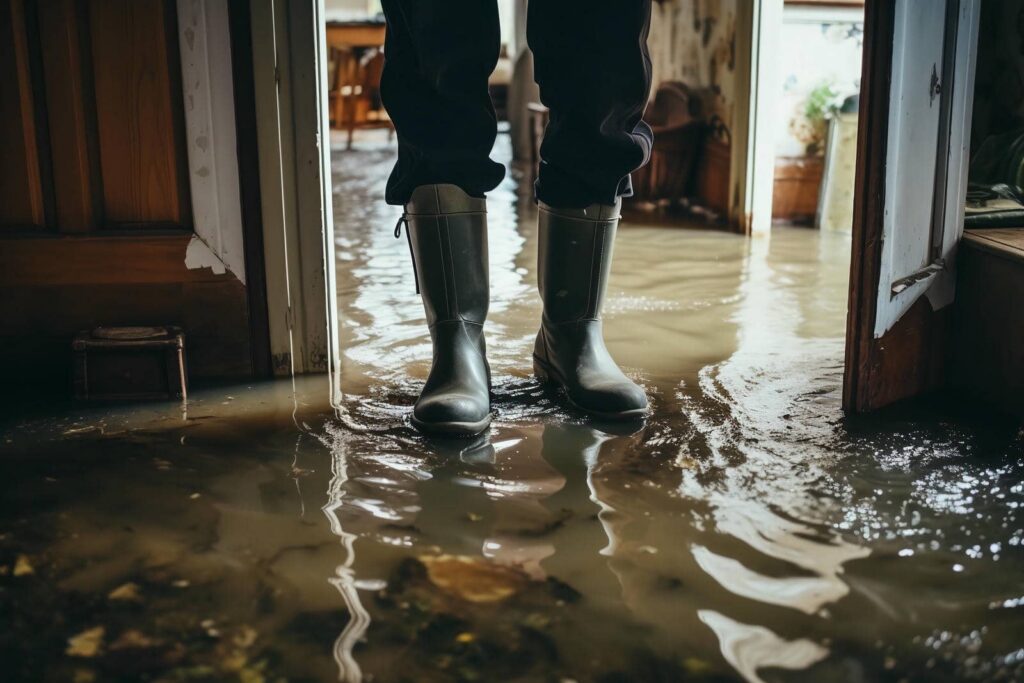
When evaluating flood damage, you need a systematic approach that combines various techniques and tools. You’ll find that visual inspections alone aren’t sufficient; integrating moisture detection instruments and advanced technologies like drones can provide a clearer picture. Understanding the types of damage and the factors influencing it is critical. But how do you ensure your documentation meets the requirements for insurance claims? The following sections will guide you through the essential steps.
Key Takeaways
- Utilize drones for aerial inspections to identify hard-to-reach flood damage areas effectively.
- Employ GIS software to analyze spatial data and visualize the extent of flooding impacts.
- Conduct thorough visual inspections to capture immediate, visible damage across all affected structures.
- Use moisture detection instruments to uncover hidden water damage that may not be visible.
- Document findings with detailed reports, including photos and descriptions, to support insurance claims.
What Types of Flood Damage Should You Know About?
When evaluating flood damage, it’s essential to recognize the various types that can impact properties and infrastructure. You’ll encounter categories such as surface flooding, which can erode structural integrity, and groundwater flooding, which often leads to long-term health hazards.
Structural damage may manifest through compromised foundations or weakened walls, requiring careful assessment to prevent future risks. Additionally, standing water can breed mold and mildew, posing serious health threats.
Each type of damage necessitates a tailored evaluation approach, emphasizing both immediate repairs and long-term safety measures. By understanding these distinctions, you’ll be better equipped to make informed decisions that restore your property and safeguard the well-being of everyone involved.
How to Evaluate Flood Damage Step-by-Step
Evaluating flood damage requires a systematic approach to ensure nothing is overlooked. Start by documenting the overall impact, noting affected areas and structures. Use flood assessment techniques like visual inspections and moisture readings to identify water intrusion points.
Next, categorize damage into structural, electrical, and personal property, ensuring you capture the extent of each. Employ damage evaluation strategies, such as comparing pre- and post-flood conditions, to assess financial implications accurately.
Take photographs as evidence for insurance claims and future reference. Finally, compile all findings into a detailed report, prioritizing areas needing immediate attention.
This thorough assessment aids recovery and fosters a sense of community as you share insights with others facing similar challenges.
Key Tools for Flood Damage Assessment
Having the right tools at your disposal is essential for an effective flood damage assessment.
Utilizing advanced flood assessment tools like drones and GIS software can markedly enhance your evaluation process. Drones provide aerial views, allowing you to identify hard-to-reach areas, while GIS software helps analyze spatial data efficiently.
Incorporating damage evaluation methods, such as visual inspections and moisture-detection instruments, ensures you capture both visible and hidden damage.
Moisture meters, for instance, can pinpoint water levels within structures, revealing risks that mightn’t be immediately apparent.
What Key Factors Influence Your Flood Damage Evaluation?
The effectiveness of your flood damage evaluation hinges on several key factors that can greatly impact the accuracy and thoroughness of your assessment.
First, understanding the flood risk in your area is essential; it influences the potential damage and helps prioritize your evaluation efforts.
Next, the type of materials in your structure affects how they respond to water exposure, which is critical for a detailed damage assessment.
Additionally, the duration of flooding plays a significant role; prolonged exposure can exacerbate damage.
Finally, the presence of mold or contaminants can complicate evaluations, necessitating specialized assessments.
How to Document Flood Damage for Insurance Claims
While documenting flood damage for insurance claims can seem intimidating, a systematic approach can streamline the process and enhance your chances of a successful claim.
Start by thoroughly evaluating the damage; take detailed photos and videos, ensuring you capture all affected areas. Organize this visual evidence chronologically and clearly label each item.
Next, compile a list of damaged possessions, including descriptions, costs, and receipts if available.
Contact your flood insurance provider promptly to understand their specific documentation requirements, as this can vary. Keep all communication records, as they’re essential during the claims process.
Frequently Asked Questions
How Can I Prevent Future Flood Damage After Evaluation?
To prevent future flood damage, implement flood prevention strategies like home elevation and proper drainage systems. Regularly assess your property’s vulnerabilities, and invest in flood-resistant materials to strengthen resilience against potential flooding events.
What Professionals Should I Consult for Flood Damage Assessment?
Flood damage assessments involve multiple experts. You should consult insurance adjusters, property appraisers, restoration specialists, and environmental consultants to ensure an all-encompassing evaluation that effectively addresses all damage.
Are There Government Grants Available for Flood Damage Recovery?
Yes, you can access federal assistance for flood damage recovery through disaster relief programs. These grants are designed to help you rebuild and recover, ensuring you have the necessary resources to restore your home and community.
What Is the Timeline for Flood Damage Evaluation?
You’ll typically see a flood damage evaluation take one to three weeks, depending on severity. During flood recovery, a detailed damage assessment ensures a complete understanding of impacts, guiding effective restoration efforts and community support.
How Does Weather Impact the Flood Damage Evaluation Process?
Weather patterns greatly influence your damage assessment process. Unpredictable rainfall and temperature fluctuations can alter water levels, complicating evaluations. Understanding these variations helps you accurately gauge the extent of damage and prioritize recovery efforts effectively.
Final Thoughts
In the grand tapestry of flood damage evaluation, you might think it’s all about a few soggy carpets and ruined drywall. But alas! Dive deeper, and you’ll find it’s a meticulous dance of moisture meters and drones. So, as you navigate this watery chaos, remember: proper documentation isn’t just for insurance claims; it’s your ticket to proving your home’s tragedy is more than just an unfortunate swim. After all, who wouldn’t want to showcase their misfortune with flair?