
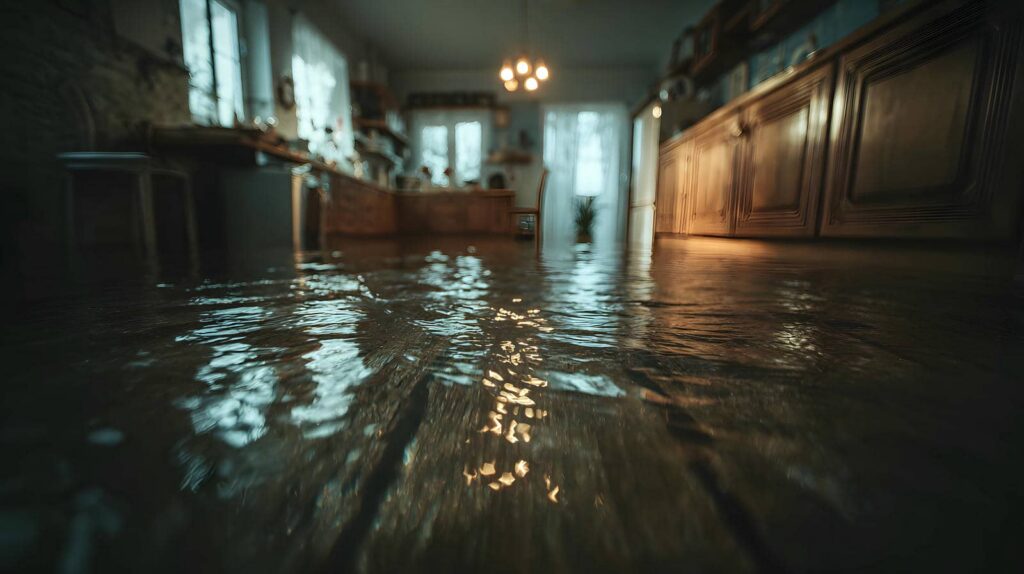
Imagine standing in your home, water rising like an unwanted tide, engulfing everything in its path. Flood damage can feel overwhelming, but knowing the right repair solutions can make a difference. You’ll need to act quickly to minimize the impact on your property and health. From extracting water to evaluating structural integrity, each step is essential. What you do next could determine the future of your home. Are you prepared to tackle the challenge ahead?
Key Takeaways
- Water Extraction: Use pumps or wet vacs immediately to remove standing water and minimize further damage.
- Mold Prevention: Enhance air circulation and utilize dehumidifiers to prevent mold growth in affected areas.
- Material Removal: Safely discard soaked carpets, drywall, and insulation to avoid structural issues and health hazards.
- Surface Cleaning: Clean all surfaces with water and detergent or mold inhibitors to eliminate contaminants.
- Professional Help: Consult experts for structural assessments and insurance claims to ensure thorough recovery and peace of mind.
Key Steps for Flood Damage Repair
When facing the aftermath of a flood, it’s essential to act quickly and methodically in your repair efforts.
Start with water extraction; remove standing water using pumps or wet vacs to minimize damage.
Next, prioritize mold prevention. Ventilate the area by opening windows and using fans to enhance air circulation.
Afterward, remove soaked materials like carpets and drywall, as they can harbor mold.
Clean surfaces with a mixture of water and detergent, or consider using a mold inhibitor for extra protection.
Don’t forget to check hidden areas, such as behind cabinets, where moisture can linger.
How to Assess the Extent of Flood Damage
Before you can begin repairs, it’s essential to thoroughly assess the extent of flood damage. Start with a flood impact assessment, looking for visible signs like water stains, warped floors, or mold growth.
Use damage evaluation techniques such as moisture meters to check hidden areas, like behind walls and under flooring. Document everything—photos and notes will help with insurance claims.
Pay attention to structural elements; compromised beams or foundations can pose serious risks. Don’t forget to assess your belongings; some items may be salvageable, while others might need disposal.
This careful evaluation guides your repair efforts and gives you peace of mind, knowing you’re taking the right steps towards recovery.
When Should You Call in the Pros for Flood Repairs?
Evaluating flood damage can be overwhelming, and knowing when to call in professionals is vital for effective recovery. If you notice structural issues, like sagging walls or ceilings, it’s time to reach out.
Professionals can assess the damage and provide a clear flood recovery timeline, ensuring you don’t miss important repairs. Additionally, if your insurance claims process feels intimidating, experts can help navigate the paperwork and advocate for you.
Don’t underestimate the hidden dangers of mold or electrical hazards; these risks require specialized knowledge. Trusting professionals speeds up recovery and fosters peace of mind, allowing you to focus on rebuilding your home and your life.
DIY Solutions for Minor Flood Damage
While calling in professionals is essential for serious damage, many homeowners can tackle minor flood issues on their own.
Start by removing standing water using a wet/dry vacuum or towels, then focus on drying techniques. Open windows and use fans to promote airflow, helping surfaces dry quickly. This is vital for mold prevention; any dampness can lead to mold growth within 24-48 hours.
Make sure to inspect and dehumidify all affected areas, including walls and floors. If materials like carpets or drywall are soaked, consider removing and replacing them to avoid long-term issues.
Finally, disinfect surfaces with a solution of water and bleach to prevent bacteria. With patience and care, you can restore your home and protect your loved ones.
Tips to Prevent Future Flood Damage Repair Needs
To minimize the risk of future flood damage, it’s vital to assess your property’s vulnerabilities and implement proactive measures.
Start by evaluating your drainage systems; make sure they’re clear of debris and functioning properly. Consider installing sump pumps or backflow valves to redirect water away from your home.
Regular maintenance of gutters and downspouts can also prevent overflow. Don’t forget about flood insurance—it’s an important safety net that can save you from devastating financial losses.
Additionally, landscaping can play a significant role; grading your yard away from your foundation can help mitigate water accumulation.
Frequently Asked Questions
What Are the Health Risks Associated With Flood Damage?
Flood damage can expose you to serious health risks like mold growth and water contamination. You should act quickly to prevent mold and ensure clean water, protecting your family’s health and creating a safe living environment.
How Does Flood Insurance Work for Repairs?
Flood insurance basics cover repair costs, but you’ll need to check your policy’s coverage limits. Understanding these terms helps you navigate claims efficiently, ensuring you get the support you need during this challenging time.
Can I Claim Tax Deductions for Flood Damage?
Yes, you can claim tax deductions for flood damage if you itemize deductions. Document your losses, including repairs and related expenses, to support your claim. Consult a tax professional to maximize your eligible deductions.
What Materials Are Best for Flood-Resistant Construction?
To enhance flood resistance, you should use materials like concrete, steel, and pressure-treated wood. Employ construction techniques such as elevated foundations and flood vents, ensuring your home stands strong against water damage while fostering community resilience.
How Long Does Flood Damage Restoration Typically Take?
Flood damage restoration typically takes one to three weeks, depending on severity. Understanding the flood damage timeline helps you manage expectations. The restoration process can feel overwhelming, but support is available to guide you through.
Final Thoughts
Navigating flood damage can feel like sailing through a storm, but with the right approach, you can steer your home back to safety. By promptly addressing water extraction, enhancing air circulation, and removing damaged materials, you’re laying the groundwork for recovery. Don’t hesitate to call in professionals when needed, and take proactive steps to safeguard your home against future floods. Remember, every effort you make now is a building block toward a resilient, secure living space.