Water can creep through a building like an unseen current, and you need to stop it before it settles in. Professional structural drying uses controlled airflow, dehumidification, and moisture monitoring to remove hidden water from walls, floors, and framing. You’re not just drying surfaces; you’re protecting the structure from decay and mold. The method matters, but the details behind it are what separate a quick fix from a lasting result. Here’s what professional structural drying involves and why it matters for your home.
Key Takeaways: Professional Structural Drying
- Professional structural drying removes hidden moisture from building materials to prevent deterioration, mold growth, and costly repairs.
- It uses inspection, moisture measurement, airflow, dehumidification, and temperature control to dry structures safely and efficiently.
- Specialized equipment like air movers, dehumidifiers, moisture meters, and thermal imaging helps monitor and speed up drying.
- Signs you may need structural drying include water stains, warped floors, musty odors, and active leaks.
- Professionals provide accurate assessment, targeted drying, daily monitoring, and documentation to protect the structure and indoor air quality.
Why Structural Drying Matters After Water Damage
After water damage, structural drying matters because trapped moisture doesn’t just make surfaces feel damp—it can seep into framing, insulation, subfloors, and wall cavities, where it can cause swelling, warping, corrosion, and microbial growth.
You protect your property by acting fast and using restoration techniques that address hidden moisture, not just visible wet spots. When you delay, materials keep absorbing water, and repairs become more expensive and disruptive.
You also reduce the risk of odors, paint failure, and long-term structural weakening. If you want your home to feel safe and stable again, you need drying that targets the building assembly as a whole.
That approach helps you stay ahead of damage, support recovery, and get back to normal with confidence.
What Structural Drying Is
Structural drying is the controlled removal of moisture from building materials after water damage, so you can prevent further deterioration and limit mold growth.
Its purpose is to return affected structural components to a safe, dry condition while preserving as much of the material as possible.
The process starts with assessment, then uses airflow, dehumidification, and temperature control to speed evaporation and pull moisture out of walls, floors, and framing.
Purpose Of Structural Drying
When moisture gets into walls, floors, or other building materials, structural drying helps restore the property by removing that trapped water before it causes further damage. You use it to protect the building’s structure, limit material loss, and support safe occupancy after a water event.
Effective moisture management lets you control hidden dampness that can weaken framing, warp finishes, and encourage microbial growth. Professional drying techniques target affected assemblies with the right equipment and environmental control, so you don’t leave residual moisture behind.
This process helps your team work efficiently, document conditions, and keep repairs on track. When you understand the purpose of structural drying, you’re better prepared to make sound decisions and protect the spaces your people rely on every day.
Drying Process Basics
At its core, structural drying is a controlled process that removes moisture from building materials and cavities after water intrusion.
You start by inspecting affected areas, then you use moisture measurement to map wet materials and track progress. From there, you select drying techniques that match the structure, such as air movement, dehumidification, heat, and targeted cavity drying.
You don’t guess; you verify. You’ll monitor temperature, humidity, and material readings so you can adjust equipment and prevent secondary damage.
This process helps you restore your space efficiently and safely, while keeping you connected to a team approach that values clear communication.
When done correctly, structural drying brings hidden moisture down to safe levels and supports a faster, more reliable recovery.
How Structural Drying Works
After water intrusion, technicians dry a building by controlling moisture at the material level, not just by removing visible water.
You start with moisture measurement, checking floors, framing, and drywall so you know where water still hides. Then you apply targeted drying techniques that match each material’s absorption rate and thickness. This matters because porous surfaces release water differently than dense ones, and you need each zone to return to a safe range.
You also monitor temperature, humidity, and airflow patterns, since those conditions drive evaporation and slow secondary damage.
As the structure stabilizes, you reassess readings and adjust the plan. That process keeps you aligned with the crew, supports faster recovery, and helps your building rejoin normal use with less risk.
What Equipment Structural Drying Uses
Professional structural drying uses specialized equipment to remove moisture quickly and control the drying environment.
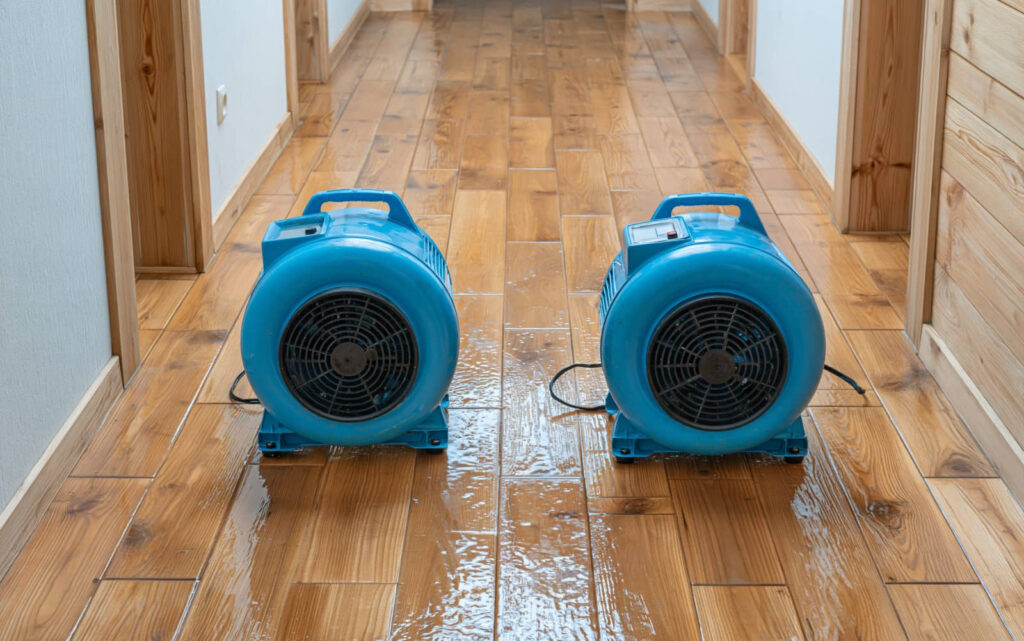
You’ll typically see air movers placed to create consistent airflow across wet surfaces, speeding evaporation and preventing stagnant pockets.
Dehumidifiers use low-grain refrigeration or desiccant systems to pull water vapor from the air, lowering relative humidity and helping materials dry more efficiently.
Technicians may also use moisture meters and thermal imaging to monitor progress and adjust the setup.
In practice, you benefit from a targeted system that works together, so your property dries faster and more predictably.
This equipment lets your drying team stay precise, reduce disruption, and keep you informed at every step of the process.
Signs You Need Structural Drying
You may need structural drying if you notice visible water stains on walls, ceilings, or framing.
Warped floors often signal trapped moisture in subfloors or structural materials, and they can worsen if you wait.
Musty odors usually mean hidden dampness and microbial activity, so you should assess the area quickly.
Visible Water Stains
Visible water stains often signal that moisture has already penetrated drywall, plaster, framing, or ceiling materials and may still be trapped inside the structure. You should treat them as a clear call for structural drying, not just cosmetic cleanup.
Your team can help you protect the space with fast action and exact moisture control.
- Check for active leaks
- Map stain edges and spread
- Document color, size, and location
- Dry hidden cavities with airflow
- Plan water stain removal and stain prevention
If the stain keeps widening, darkening, or returning after cleaning, you likely still have damp materials behind the surface.
Professional drying helps you restore the area with confidence and stay aligned with others who value safe, healthy buildings.
Warped Floors
Warped floors often point to moisture trapped below the surface in subflooring, joists, or underlayment. You might notice cupping, crowning, or soft spots when you walk across the room.
These changes tell you the structure’s moisture load is out of balance and needs attention. A floor inspection can confirm whether boards have shifted, swelled, or separated from fasteners.
During a moisture assessment, a technician checks the flooring, framing, and nearby materials to find the source and extent of saturation. Acting early helps you protect your home’s structure and keep your space stable.
When you spot distortion, don’t wait for it to spread. Get your drying team involved so you can restore your floor with confidence.
Musty Odors
A persistent musty odor often signals hidden moisture in framing, subfloors, insulation, or drywall, even when surfaces look dry. You shouldn’t ignore it; those musty smells usually mean damp materials are feeding microbial growth and trapping odor.
Professional structural drying targets the source before you chase odor removal with sprays or masks. You can spot trouble when the smell gets stronger after HVAC starts, rain falls, or doors close.
- Check crawlspaces and attics
- Inspect baseboards and closets
- Note recent leaks or floods
- Use moisture meters on suspect areas
- Call for drying if odor lingers
When you act fast, you protect your home, your air quality, and your peace of mind. You’re not overreacting—you’re staying ahead of damage.
How Long Structural Drying Takes
How long structural drying takes depends on the material type, saturation level, airflow, temperature, and humidity control. Your drying timeline can range from a few days to more than a week, and the exact pace changes with environmental factors.
You’ll usually see faster results in open, warm spaces with strong dehumidification and steady air movement. Dense materials like hardwood, insulation, and layered wall cavities take longer because they hold moisture deeper inside.
You can track progress with moisture meters and surface checks, not guesswork. When you work with a skilled drying team, you stay informed, keep your property on schedule, and reduce disruption.
The goal is to return your space to safe, stable conditions as efficiently as possible.
Common Mistakes That Lead to Mold
Common mistakes that lead to mold usually start with incomplete drying, hidden moisture left inside wall cavities, or premature rebuild work before materials reach safe moisture levels.
You can avoid most failures with disciplined moisture control and mold prevention habits that keep your team aligned.
- Check subfloors, trim, and insulation for trapped dampness.
- Measure every affected material, not just visible surfaces.
- Keep airflow steady until readings normalize.
- Remove porous materials that won’t dry safely.
- Verify conditions before you close walls or install finishes.
If you rush cleanup, you create pockets where spores thrive.
Stay consistent, document readings, and treat each damp area like part of one system. That approach helps you protect the space and stay in control together.
Why Hire Water Damage Restoration Pros
When water damage hits, you hire restoration pros because they can assess moisture accurately, dry materials to target levels, and prevent hidden damage from turning into mold or structural failure.
They use calibrated meters, thermal imaging, and air movement plans to guide water extraction and drying. You get a clear moisture assessment, not guesses, so affected drywall, framing, and subfloors receive the right treatment.
Pros also monitor conditions daily, adjust dehumidification, and document progress for insurance. That means you stay informed, avoid rework, and protect your home’s structure and indoor air quality.
If you want your space back fast and done right, trusted technicians give you the support, tools, and technical control you need.
Frequently Asked Questions
Does Homeowners Insurance Cover Professional Structural Drying?
Usually, your homeowners insurance policy covers professional structural drying after sudden water damage, but coverage limits apply. You’ll need to review exclusions, deductibles, and claim requirements, then call your insurer promptly for approval.
Can Structural Drying Save Hardwood Floors?
Yes, structural drying can save your hardwood floors, if you act fast. Like rescuing a ship before it founders, you use precise drying techniques and hardwood restoration to limit cupping, swelling, and costly replacement.
Is Structural Drying Needed After Clean Water Leaks?
Yes, you’ll often need structural drying after clean water leaks to prevent water damage. You should use targeted drying techniques, monitor moisture levels, and act fast so your space stays safe and you stay with the pros.
Will Structural Drying Remove All Odors?
Not always; structural drying can reduce odors, but you may still need odor removal treatments if mold, sewage, or smoke persists. Effective drying techniques help, yet source removal and sanitation often determine complete freshness.
Can I Stay Home During Structural Drying?
Yes, you can stay home during structural drying if conditions allow, but you’ll need to follow safety precautions and respect the drying duration. Like a storm shelter, your space stays controlled, monitored, and secure.
Summary
Professional structural drying helps you stop water damage before it turns into rot or mold. You use controlled airflow, dehumidification, and moisture monitoring to dry hidden areas, not just visible surfaces. For example, if a pipe bursts behind a wall, you may dry the framing and insulation before they fail. When you act fast and hire restoration pros, you protect your structure, reduce repair costs, and restore safe indoor conditions. When water damage strikes, professional structural drying is the safest way to get your property back to normal.