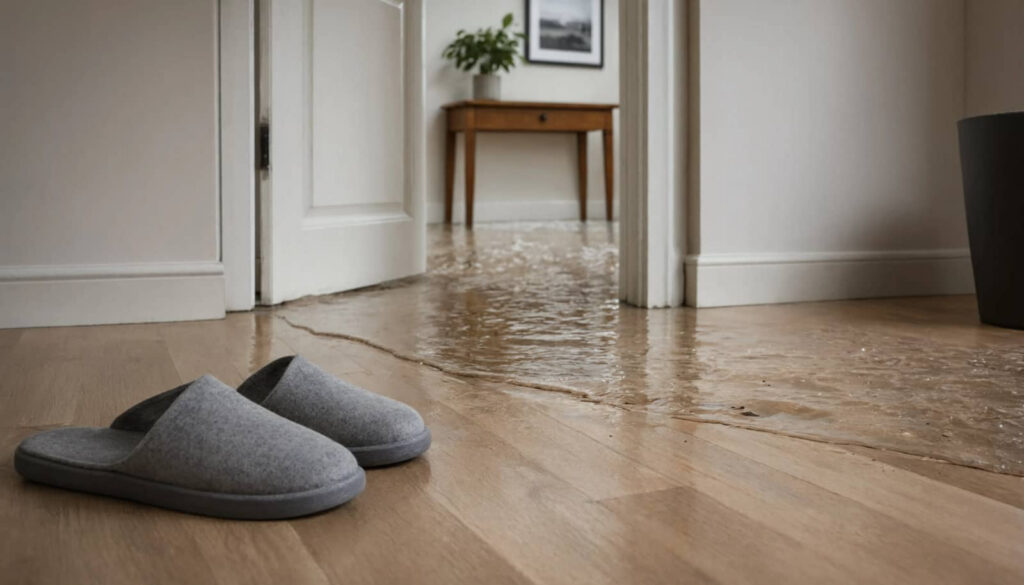
When floodwater hits, 24-Hour Emergency Damage Cleanup can help limit the damage before it spreads. Start by checking for electrical hazards, wearing protective gear, and beginning water removal as quickly as possible. If sewage or contaminated water is present, it requires specialized handling. Then, dry walls, floors, and contents with the right equipment. The next steps can determine whether you’re facing a manageable repair or a mold problem that continues to grow.
Key Takeaways
- Check for hazards first, then shut off power, wear protective gear, and document visible damage before entering flooded areas.
- Start water extraction within 24 hours using pumps, wet vacs, and air movers to limit structural and mold damage.
- Treat sewage or contaminated water as a biohazard; remove it carefully and discard porous materials that cannot be sanitized.
- Dry walls, floors, and contents with dehumidifiers and air movers, opening cavities to remove trapped moisture.
- Repair damage quickly, replace compromised materials, and monitor humidity and mold growth before closing walls.
Check Safety and Flood Damage First
Before you enter the damaged area, check for immediate hazards and confirm whether floodwater is present. You need a fast risk assessment before you step farther in.
Shut off power if you can do it safely, and follow local safety protocols without delay. If water has reached outlets, appliances, or structural supports, keep out and protect your team.
Wear boots, gloves, and masks from your emergency kits. Photograph conditions, note odors, and document visible damage for insurance claims.
Watch for shifting floors, ceiling collapse, and contaminated surfaces. If you smell gas or hear hissing, leave now and call emergency services.
Stay coordinated, stay alert, and keep each other informed. You belong in this response when you act decisively and protect everyone.
Begin Water Extraction Within 24 Hours
Start water extraction within 24 hours to limit structural damage and reduce mold growth. You need rapid water removal to keep drywall, flooring, and framing from soaking longer than necessary.
Use pumps, wet vacs, and air movers right away, or call emergency services if the volume is too large for your team. Work room by room, starting at the lowest point, and move water toward drains or outside exits.
Remove standing water, then target hidden pockets under cabinets and behind baseboards. You’ll protect your property faster when you act as a coordinated crew, following the same plan.
Document moisture readings, monitor progress, and keep equipment running until surfaces are visibly dry. The faster you extract, the better your recovery and shared peace of mind.
Clean Up Sewage and Contaminated Water
When sewage or other contaminated water is involved, you need to treat the area as a biohazard and act immediately.
Put on gloves, boots, eye protection, and a respirator before you enter. Remove standing water with approved equipment, then start sewage removal from the least contaminated edge toward the most affected area.
Bag and discard porous materials that can’t be sanitized. Clean hard surfaces with detergent first, then apply an EPA-registered disinfectant at the required dwell time.
Keep pets and family members out until you finish. Watch for contamination risks, including hidden spread under baseboards and behind fixtures.
If backup came from a drain or sewer line, document the loss and call a licensed cleanup team fast. You’re not handling this alone; your team needs protection and speed.
Dry Out Walls, Floors, and Contents
Pull moisture out fast to stop mold, swelling, and structural damage. You need immediate moisture detection in walls, floors, and contents so you can target wet zones, not guess.
Open cavities, remove baseboards, and lift carpet or padding where needed. Set high-velocity air movers to push air across surfaces, and run dehumidifiers to strip vapor from the room.
Check hidden pockets behind trim, under cabinets, and inside insulation, because trapped water keeps damaging materials. Use restoration techniques that fit the surface: wood, drywall, textile, and concrete each dry differently.
Move salvageable items into a dry, ventilated area, and keep traffic low. Monitor progress often, adjust equipment, and document readings until materials return to safe levels.
Repair Damage and Stop Mold Growth
Once materials are dry enough to work on, seal the source of damage and begin repairs right away to keep deterioration from spreading.
Replace warped drywall, swollen trim, and compromised insulation before hidden moisture feeds mold. Use repair techniques that match the material: cut back to clean edges, fasten tight patches, and reseal joints with approved compounds.
You’ll protect your space and help your household feel secure by treating every damp cavity as a risk zone. Clean framing, treat nonporous surfaces with antimicrobial solution, and keep humidity below 60%.
Run ventilation during and after work, and inspect daily for odor, staining, or new growth. For effective mold prevention, don’t close walls until the structure’s fully dry, stable, and verified.
Frequently Asked Questions
How Do I Document Damage for an Insurance Claim?
Photograph and video every affected area, note dates, times, causes, and item values, then create a damage assessment list. Keep receipts, contact your insurer, and submit everything fast to streamline the claim process.
When Should I Call a Licensed Disaster Restoration Company?
Call a licensed disaster restoration company immediately after fire, flood, sewage, mold, or structural damage. You’ll get emergency response, restoration services, and a team that acts fast, protects your property, and helps you feel supported.
What Personal Items Can Be Safely Salvaged After Flooding?
You can salvage sealed plastics, hard-surface valuables, and some salvageable electronics if you dry them fast. Like a triage line, save valuable heirlooms, photos, and documents; discard porous items, contaminated textiles, and wet insulation.
How Do I Find Hidden Water Behind Walls?
Use water detection tools first: scan walls with moisture meters, then look for cool spots, bubbling paint, and musty odors. You’ll spot hidden leaks faster, protect your home, and feel confident acting with your crew.
What Permits Are Needed Before Major Cleanup Repairs?
First, you’ll need repair permits and must follow cleanup regulations; then you can start major repairs. Better safe than sorry—contact your building department immediately, because you’ll stay compliant, protected, and part of the recovery team.
Recap
When the water’s gone, you’re left with more than a wet floor—you’re standing in the quiet aftermath of a storm that tried to take hold. Keep moving fast: verify safety, extract every drop, and dry hidden moisture before it turns to mold. Inspect, repair, and seal damaged areas so the space can breathe again. If you act now, you don’t just clean up damage—you stop it from spreading and reclaim your property.